
Table of Contents
r cafes are where locals grab coffee and freshly baked goods. Look for pan de yuca — a warm, cheesy cassava bread — or empanadas de viento, a light, airy fried turnover dusted with sugar. Many cafes roast or source local beans from neighboring provinces, so you’ll find excellent espresso and pour-overs.
- What to order: pan de yuca, tigrillo (plantain and egg mash), and hand-roasted espresso.
- Where to go: Calle Larga and the streets around Parque Calderón host numerous small cafes — ideal for people-watching.
- Tip: Coffee is serious here — ask for a single-origin cup if you want to taste Ecuadorian terroir.
Mid-Morning: Markets and Street Specialties
The heartbeat of Cuenca’s culinary life is its markets. Wander through the covered stalls selling fresh produce, local cheeses, and prepared meals. Markets are the place to sample comida popular — inexpensive, home-style plates cooked to order. Count on bright displays of corn (mote), potatoes, and an array of native fruits you may not find elsewhere.
Helado de paila deserves its own moment: artisanal ice cream churned in a large, flat copper pan with crushed ice and rock salt. Vendors often sell it by the scoop, and flavors range from chocho (lupin bean) to local fruits like mora (blackberry) and guanábana (soursop).
Lunch: The Alma of Ecuadorian Cuisine — Menú del Día
Lunch is the main meal for many Ecuadorians, and the menú del día is both tasty and economical. For a fixed price you’ll get soup (often locro de papa — potato and cheese soup), arroz with beans or lentils, a protein like fried pork or chicken, salad, and a juice. Mid-range restaurants offer creative twists on these classics, while small lunch spots focus on generous portions and homestyle flavors.
- Typical dishes to try: llapingachos (potato cakes stuffed with cheese), fritada (fried pork), and mote con chicharrón.
- Price guide: street and market lunches start around $2–$5; mid-range sit-down menus are $6–$12.
- Timing: menus are usually available noon to 3pm. Arrive early on weekends to avoid queues.
Afternoon Delights: Chocolate, Coffee, and Bakeries
Ecuador is a world-class cacao country, and Cuenca’s chocolate scene is thriving. Small chocolatiers source national cacao beans to make single-origin bars, truffles, and drinking chocolate. A chocolate tasting or a stop at a boutique shop is a lovely way to spend an afternoon, paired with specialty coffee from nearby highlands.
Bakeries in Cuenca are a must. Try local sweets alongside savory breads — many bakeries also sell humitas (corn tamales wrapped in corn husks) and quesadillas (which in Ecuador are more like sweet cake than the Mexican version).
Dinner: From Traditional to Contemporary
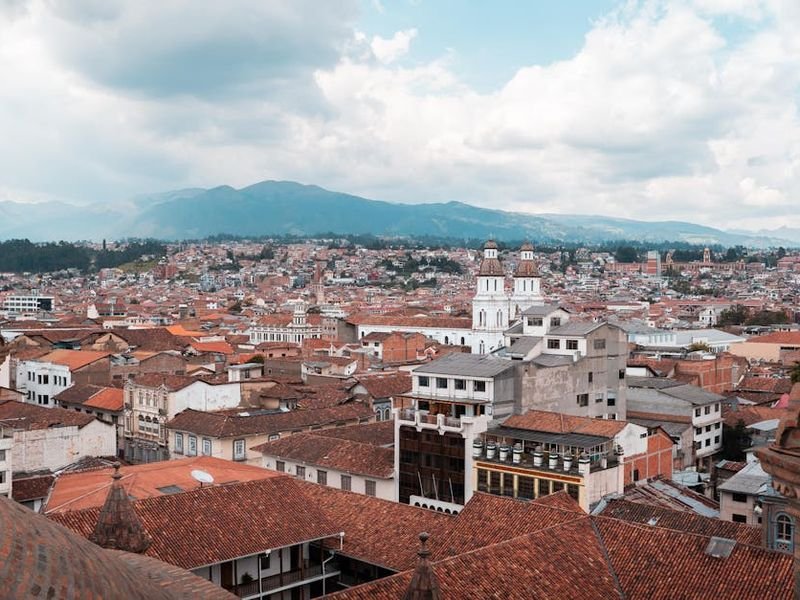
As the sun sets, Cuenca’s dining options expand into fine dining, innovative fusion, and relaxed neighborhood eateries. The area around Parque Calderón has several restaurants with views of the cathedral’s blue domes and lively evening crowds. Calle Larga transforms into a pedestrian zone lined with tapas-style bars and cocktail lounges.
If you want to sample local protein traditions, book ahead for a place that serves cuy (guinea pig) — it’s a ceremonial and celebratory dish best enjoyed at reputable restaurants that prepare it well. If you prefer seafood, look for coastal-inspired ceviches prepared with a fresh, citrusy touch.
- Price guide for dinner: affordable restaurants $6–15; mid-range $15–30; upscale tasting menus $40+.
- Reservations: weekends get busy. Many places accept reservations by WhatsApp or phone.
- Dress code: casual to smart-casual in most places, with a few upscale options requiring a bit more polished attire.
Neighborhood Highlights: Where to Eat by Area
Cuenca’s neighborhoods each bring something unique to the table. Here are a few areas to explore:
- Centro Histórico (around Parque Calderón): The tourist hub with rooftop restaurants, contemporary bistros, and traditional eateries. Great for strolling between dessert stops and museums.
- Calle Larga: A lively pedestrian corridor with tapas, cafes, and cocktail bars — excellent for bar-hopping or relaxed dinners.
- Río Tomebamba riverside: Enjoy quieter cafes and riverside views — perfect for coffees and afternoon pastries.
- Turi: The hilltop viewpoint south of the city. Turi’s environs have restaurants specializing in traditional dishes and provide panoramic city views.
Street Food You Can’t Miss
Street food is both affordable and authentic. Look for these treats sold from carts or small stalls:
- Empanadas de viento: Light, fried empanadas dusted with sugar.
- Papas a la huancaina (or similar cheese-sauced potatoes): Cheese and spiced sauces over hot potatoes.
- Churrasco: A hearty plate of grilled steak, rice, fried egg, and salad — a lunchtime favorite.
Practical tip: choose busy stalls with high turnover for the freshest food and ask locals for quick recommendations — the best street food often doesn’t have an online presence.
Vegetarian, Vegan, and Dietary Needs
Traditional Andean cuisine is naturally heavy on potatoes, corn, and beans, which is a plus for vegetarians. Many restaurants now list vegetarian and vegan options, but it helps to know a few Spanish phrases for clarity:
- “Soy vegetariano/vegetariana” (I’m vegetarian)
- “Sin carne” (no meat)
- “Sin leche / sin huevo” (dairy-free / egg-free)
Ask about broths and sauces, which can sometimes include animal stock. For gluten-free diets, traditional corn-based dishes are often safe, but double-check with staff.
Practical Tips: Money, Tipping, and Ordering
Cuenca uses the U.S. dollar, which simplifies budgeting. Here are practical pointers to navigate dining smoothly:
- Payment: Credit cards are accepted in most mid-to-high-end restaurants. Small cafés and market stalls often prefer cash — carry small bills and change.
- Tipping: A 10% service charge is common and sometimes included on the bill. If service is excellent, an additional tip is appreciated but not mandatory.
- Tap water: Many locals drink tap water, but if your stomach is sensitive, opt for bottled water until you acclimate.
- Altitude: Cuenca sits at about 2,500–2,800 meters. If you’re new to high altitude, eat lighter meals initially and stay hydrated.
How to Find Local Favorites
Some of the best meals in Cuenca come from places without big online footprints. Here are ways to discover them:
- Ask market vendors and shopkeepers — they have strong opinions about where to eat.
- Join a food tour one morning; it’s a fast-track to learning signature dishes and safe stalls.
- Explore by foot in the evenings — small places near parks and churches often shine at dinnertime.
Sample Foodie Day in Cuenca
Plan your day around contrasts: market energy, craft snacks, and a leisurely evening. Here’s a sample itinerary to savor Cuenca from breakfast to nightcap:
- 8:00 AM — Grab coffee and pan de yuca on Calle Larga as the city wakes.
- 9:30 AM — Visit the central covered market; try helado de paila and a market soup.
- 12:30 PM — Enjoy a menú del día at a family-run spot for a hearty lunch.
- 3:00 PM — Chocolate tasting at a boutique chocolatier, followed by a riverside stroll.
- 6:30 PM — Watch sunset views at Turi with a light snack.
- 8:00 PM — Dine in the historic center; choose either traditional cuisine or a modern tasting menu.
- 10:00 PM — End with cocktails or a nightcap at a rooftop bar on Calle Larga.
Seasonal Events and Food Festivals
Keep an eye out for local festivals and food events. Cuenca hosts culinary fairs where producers and chefs showcase regional ingredients like cheeses, cacao, and handcrafted spirits. These events are fantastic opportunities to sample a broad range of flavors and meet local producers directly.
Final Bite: Eating Like a Local
Eating in Cuenca is about curiosity: try dishes you don’t recognize, practice a few Spanish phrases, and let locals guide you. Whether you follow a well-reviewed bistro or a market vendor with a long line, you’ll find warmth and flavor in every corner. From helado de paila to slow-roasted hornado, Cuenca invites you to taste Ecuador one bite at a time.
Ready to explore? Lace up comfortable shoes and bring an appetite — Cuenca’s dining scene rewards the adventurous and the patient alike.