
Table of Contents
Why Cuenca belongs on every food lover’s map
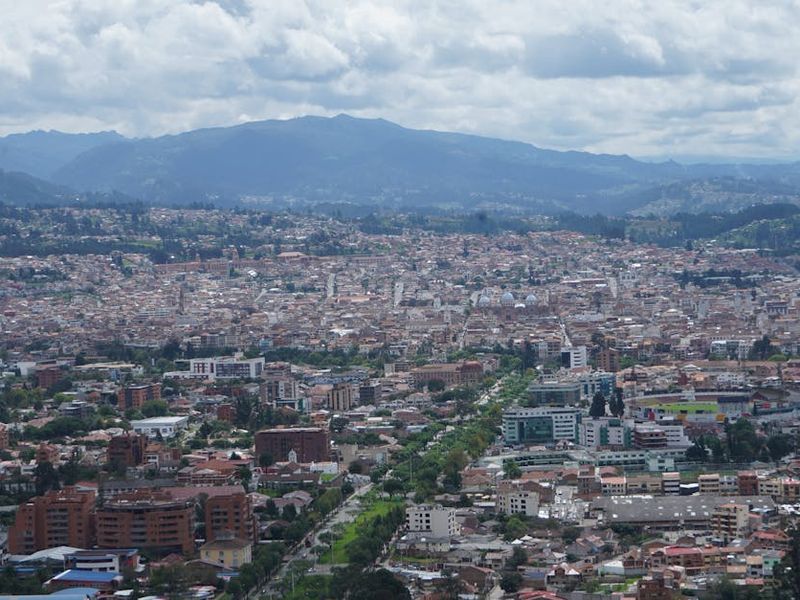
Nestled in Ecuador’s southern highlands at roughly 2,560 meters (8,400 feet), Cuenca is as famous for its colonial architecture and museums as it is for a lively, evolving food scene. The city blends indigenous, Spanish and coastal traditions into dishes that are comforting, bright and often surprisingly affordable. From bustling market stalls dishing out steaming bowls of soup to intimate chef-driven dining rooms, Cuenca offers a spectrum of flavors that reward curious eaters.
How to plan your culinary exploration
Before you dig in, a few basics: Ecuador uses the U.S. dollar, so prices are easy to compare. Lunch (menú del día) is king for budget-conscious dining—expect a starter, main and drink served between noon and 3pm for a modest price. Dinner tends to start around 7pm, and many restaurants close earlier than you might expect in larger cities. Carry small bills and coins for market vendors and street sellers, and keep a lightweight jacket handy — Cuenca’s mountain climate can be cool, especially after sunset.
Must-try traditional dishes and where you’ll find them
To taste Cuenca is to sample Ecuador’s regional diversity. Make a point to try these essentials:
- Locro de papa: A creamy potato and cheese soup spiced with avocado—comfort in a bowl, especially welcome at higher altitude. You’ll find excellent locro in market food stalls and neighborhood lunch counters.
- Hornado: Slow-roasted pork, often served with corn, mote (hominy) and pickled onions. Look for it at mercados or at day-time “hornado” houses where the meat is carved from a communal oven.
- Fritada: Crispy-fried pork served with llapingachos (potato patties), mote and salsa. A Sunday favorite, often accompanied by marinated onions.
- Ceviche: Although coastal, ceviche in Cuenca is popular and usually uses river fish or shrimp. It’s zesty and fresh—perfect for a warm afternoon.
- Helado de paila: Traditional fruit ice cream churned in a large, cold metal pan—look for vendors near parks and market plazas.
- Encebollado and seco de chivo: Hearty fish or goat stews that show coastal and highland techniques—great late-lunch options.
Where to eat by neighborhood: neighborhoods and vibes
Cuenca’s dining personality shifts dramatically by neighborhood. Here’s how to navigate the best food pockets.
El Centro Histórico (Parque Calderón & surrounding streets)
The historic heart is where you’ll find a mix of tourist-friendly bistros, family-owned spots and classic panaderías. Calle Larga and the blocks around Parque Calderón are lined with cafés and restaurants with outdoor seating—perfect for people-watching. Menú del día options abound here, and several small eateries serve traditional dishes like locro and fritada.
San Sebastián and the artisan quarter
San Sebastián, with its narrow streets and artisan markets, has a cluster of cozy cafés and small restaurants that focus on Ecuadorian home cooking and fusion. This area is ideal for sampling regional cheeses, empanadas, and helado de paila sold by vendors around the plazas.
Calle Larga and the riverfront
Calle Larga is a nightlife and dining hub—think modern café culture by day and animated bistros by night. The Tomebamba River areas and terraces give you views while you dine; many contemporary chefs use local ingredients to create refined plates that pair well with Ecuadorian wines and craft cocktails.
El Centro (east of the old town) and the markets
Here you’ll find Mercado Central and numerous food stalls. It’s the place to go for authentic, inexpensive eats: piping hot soups, fried plantains, roasted meats and fresh juices. It’s lively, inexpensive and the best place to watch locals eat.
How to find great restaurants (even without a list)
Use a blend of strategies to discover winners. Walk the neighborhoods—places with full tables are usually a safe bet. Seek out restaurants that display a menu del día or list daily specials; those are signs of local patronage. Join local Facebook groups for recommendations (expat and foodie groups are active), and check recent reviews on Google Maps; look for local reviewers rather than only tourists. Finally, ask a market vendor or barista—Cuencanos are proud of their food and happy to point you to a great spot.
Categories worth exploring: what to expect and what to order
Cuenca’s restaurant scene has distinct strands. Here’s what to try in each:
- Classic Ecuadorian eateries (picanterías): Hearty, traditional dishes, often family-run. Expect generous portions and a warm, no-frills atmosphere.
- Modern fusions and chef’s restaurants: Smaller tasting menus, attention to local sourcing, and creative pairings. These places usually require reservations and charge more but offer memorable meals.
- Cafés and coffee roasters: Ecuador has superb coffee, and Cuenca’s third-wave cafés roast local beans. Order a paso—flat white or filter—and pair it with a fresh pastry.
- Street food and markets: Cheap, fast and delicious. Markets are where you’ll find locro, empanadas, juices and helado de paila.
- Vegetarian and vegan options: Growing steadily—many modern kitchens offer meat-free mains, and markets have fresh produce year-round.
Practical dining tips for visitors
Follow these on-the-ground tips to make the most of your meals in Cuenca:
- Cash and cards: Many mid-range and upscale restaurants accept cards, but smaller markets and street stalls are cash-only. Keep small bills for tipping and mercado snacks.
- Tipping etiquette: Tipping about 10% is appreciated if service isn’t already included; for small stands it’s okay not to tip.
- Reservation tips: For popular modern restaurants, book a day or two in advance, especially on weekends.
- Altitude awareness: At over 2,500 meters, you may have less appetite the first day. Choose lighter dishes and drink water—hot soups like locro are easier on the stomach than heavy fried plates.
- Food safety: Stick with busy stalls for street food (turnover equals freshness). Peel fruit yourself and choose bottled water if you have a sensitive stomach.
Coffee, chocolate and sweet treats
Cuenca is an excellent base to explore Ecuador’s famed cacao and coffee. You’ll find small-batch coffee roasters and artisanal chocolatiers offering tastings and single-origin bars. Look for cafés that roast beans in-house and chocolate shops that describe the cacao source — Ecuador’s Arriba Nacional variety is prized for its floral notes. For sweets, try local pastries at panaderías and the helado de paila—hand-churned frozen fruit ice cream, bright and intensely flavored.
Sample one-day foodie itinerary
If you have just one day to sample Cuenca’s cuisine, try this compact route:
- Breakfast: Start with a light breakfast at a neighborhood café—try a fresh baked roll, local cheese and a filter coffee.
- Mid-morning market visit: Head to Mercado Central to watch food vendors prepare locro, tamales and fresh juices; have a small snack like an empanada or tamal.
- Lunch: Menú del día in the historic center: a soup starter, main with local protein and rice, and a juice. It’s filling and inexpensive.
- Afternoon treats: Walk along the river and pick up helado de paila and sip specialty coffee at a nearby roaster.
- Dinner: Choose a modern fusion restaurant in Calle Larga or the riverfront for a multi-course meal spotlighting local ingredients—ask the server for a recommended pairing.
Food tours and learning experiences
If you want context with your cuisine, a guided food tour can be a high-value option. Tours typically include market visits, tastings at small eateries, and historical notes on local ingredients and culinary traditions. Cooking classes are also available—learn to make llapingachos or locro and take home practical skills and recipes. For deeper dives, ask whether tours visit small farms or cooperatives that grow coffee and cacao.
Seasonal events and festivals to time your trip
Cuenca hosts food-related events and fairs throughout the year that spotlight local producers, street food, and fusion chefs. If your travel dates are flexible, look up the city’s cultural calendar—festivals around harvest times often mean extra markets, tastings and open-air celebrations where you can try regional specialties and meet producers directly.
Final tips: get curious, be adventurous, and pace yourself
Cuenca rewards diners who try both hole-in-the-wall joints and chef-driven restaurants. Balance splurges with market meals to stretch your culinary experience across budgets. Ask locals for unmet recommendations—sometimes the best dishes are served in small family-run places with no online presence. Above all, leave room for dessert: Ecuadorian sweets and helados in Cuenca are a fitting end to a day of exploring regional flavors.
Whether your priority is hunting down the perfect locro, sipping single-origin coffee, or enjoying a refined tasting menu, Cuenca’s food scene offers abundant, authentic and surprising options. Armed with these tips and a curious palate, you’ll come away with memorable meals and a deeper appreciation for Ecuador’s culinary traditions.