
Table of Contents
Why Cuenca Is a Great Choice for Dental Care and Relaxation
Cuenca, Ecuador’s colonial jewel and a UNESCO World Heritage city, has quietly become a top destination for dental tourists. It combines high-quality dental care, experienced clinicians, and significant cost savings with a walkable historic center, pleasant year-round climate, and many low-stress activities to help you recover and recharge between appointments.
Beyond price alone, the city’s English-friendly clinics, reliable labs, and many boutique hotels with spa services make it easy to turn a necessary dental procedure into a restorative getaway.
Start Here: How to Choose the Right Clinic
Selecting the right clinic is the most important step. Look for transparent communication, before-and-after photos, patient testimonials, and clinicians who provide detailed treatment plans. Ask for digital records: panoramic X-rays (OPG) and, where needed, a CBCT scan for implants.
- Verify credentials: dental school, specialist certificates (implantology, prosthodontics), and professional memberships.
- Ask about the dental lab: Are crowns and prosthetics made locally or outsourced? A local, high-quality lab shortens turnaround time.
- Check materials: request brand names for implants and prosthetic materials (zirconia, porcelain fused to metal) and ask about warranties.
- Communication: ensure there’s an English-speaking coordinator for scheduling and aftercare questions.
Understanding Typical Timelines — From Cleanings to Implants
Different procedures need vastly different timelines. Planning your trip around clinical realities will save stress and shorten unnecessary travel.
Short procedures (1–7 days)
Cleanings, simple fillings, extractions, and basic crowns or veneers (if using same-day digital milling) can often be completed in a week. These are ideal if you have limited time and want to combine recovery with lots of light sightseeing.
Medium procedures (7–14 days)
More involved crowns, multiple veneer preparations, and bite adjustments usually require a couple of trips to the lab. Expect 7–14 days for impressions, provisional restorations, adjustments, and final seating.
Implants and full-mouth rehab (10 days to staged treatment over months)
Traditional implant protocols may require months of healing (osseointegration). However, many Cuenca clinics offer immediate-load solutions (All-on-4, temporary bridges) that can be placed and provisionally restored within a week to 10 days. Ask your clinic for realistic timelines and whether they provide temporary prosthetics for the healing period.
Sample Itineraries: Match Your Trip to the Treatment
Here are three realistic itinerary outlines you can adapt based on your procedure and comfort level.
Weekend Refresher (3–5 days)
- Day 1: Arrival, light rest, short walk along the Tomebamba River.
- Day 2: Consultation, X-rays, and small treatments (cleaning, fillings).
- Day 3: Follow-up or crown/veneer preparation; enjoy a quiet cafe in the old town.
- Day 4: Final adjustments or departure.
Two-Week Makeover (7–14 days)
- Days 1–2: Arrival, initial consultations, imaging, and pre-op medications if needed.
- Days 3–5: Implant placement or tooth preparations; rest days with light sightseeing.
- Days 6–10: Temporary prosthetics and adjustments. Use this time for gentle activities like visiting the Cajas National Park or El Turi viewpoint.
- Days 11–14: Final restorations and discharge instructions.
Staged Implant Plan (multiple visits)
- Trip 1: Extractions, bone grafts, or implant placement.
- Healing period at home (3–6 months)
- Trip 2: Final abutments and crowns. Many patients arrange a shorter second trip for final prostheses.
Where to Stay: Neighborhoods and Hotel Types That Aid Recovery
Stay within walking distance of the historic center or near your clinic to minimize taxi rides right after procedures. Popular, calming neighborhoods include the area around Parque Calderón and the scenic banks of the Tomebamba River.
- Boutique hotels offer quieter rooms and many include breakfast and in-house massage or spa options — ideal for recovery days.
- Serviced apartments and Airbnb options give you a kitchen for soft-food meals and a private, calm space for resting.
- Choose hotels that can arrange an airport pickup and coordinate with your dental clinic for post-op transport.
Practicalities: Travel, Weather, and Health Basics
Cuenca sits at about 2,500 meters (8,200 ft) above sea level. The climate is mild year-round but can be chilly in the mornings and evenings. Bring layers — especially a warm sweater for resting after sedation.
- Airport: Mariscal La Mar Airport (CUE) has domestic connections; many international visitors fly into Quito or Guayaquil and take a short domestic flight or a comfortable intercity bus to Cuenca.
- Currency: Ecuador uses the US dollar, which simplifies budgeting and payments.
- Phones: local SIM cards are inexpensive; clinics often assist with arrangements. Many clinics accept credit cards, but confirm whether there are extra processing fees.
- Altitude: take it easy on arrival if you’re prone to breathlessness. Hydration and rest help acclimatize before anesthesia or complex procedures.
Aftercare: Foods, Medications, and Daily Routines for Faster Healing
Your clinic will provide specific instructions, but these general tips come from common best practices observed in Cuenca’s dental centers.
- Pack soft foods: instant mashed potatoes, yogurt, smoothies (no straws for first 72 hours), soft rice, avocado, and eggs. Local markets and supermarkets in Cuenca make stocking up easy and affordable.
- Medications: clinics commonly prescribe antibiotics, analgesics, and antiseptic mouthwashes (chlorhexidine). Pharmacies in Cuenca are well stocked and staff often provide clear guidance.
- Sleep: elevate your head with an extra pillow for the first few nights to minimize swelling.
- Smoking and alcohol: both impair healing; avoid them for at least 72 hours for minor treatments and longer (weeks to months) for implants and grafts.
- Oral hygiene: follow gentle rinsing routines and the clinic’s schedule for brushing and cleaning around surgical sites.
Relaxation Activities That Support Recovery
Cuenca’s slow pace and many low-impact activities make it ideal for healing days. Here are options that won’t strain you while still letting you experience the city.
- Gentle walks along the Tomebamba River — flower-filled bridges and quiet benches are abundant.
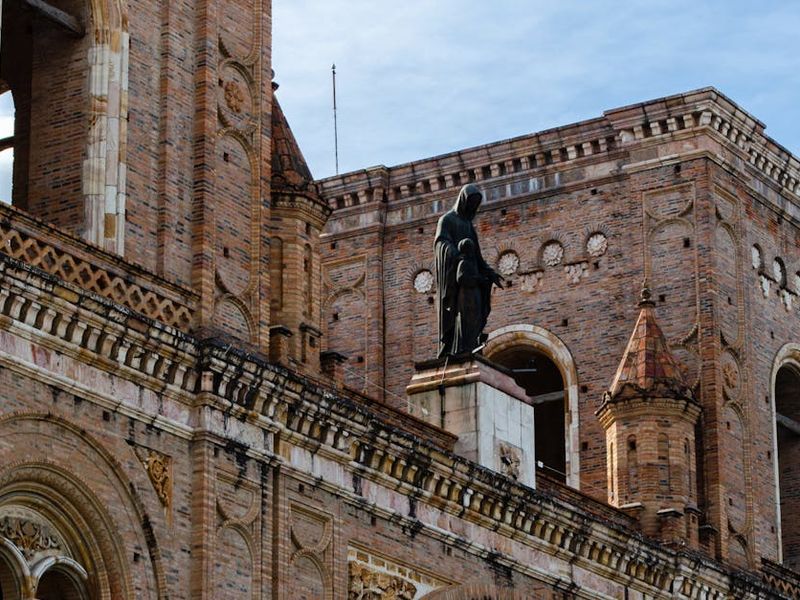
- Visit the New Cathedral and the old colonial streets near Parque Calderón — short, scenic stops rather than long tours.
- Botanical Garden and Museo Pumapungo — peaceful, flat paths and shaded areas perfect for restful exploration.
- Day trip to Cajas National Park for short, easy lake walks if your clinician approves; bring warm layers and keep altitude in mind.
- Spa and massage — many hotels offer in-room or on-site services; check that therapists understand your recent dental procedure and avoid any neck manipulation if you’re sore.
Money Matters: Typical Costs and How to Budget
Costs vary by clinic and materials, but many visitors report savings of 50% or more compared with North American or European prices.
- Simple crowns: broad ranges, but you may find high-quality porcelain crowns at a fraction of home-country prices.
- Implants: prices depend on brand and complexity; specialized clinics will quote clearly and include lab fees in the estimate.
- Always request a written estimate that itemizes materials, lab fees, follow-up visits, and any possible additional costs such as extractions or bone grafts.
Keep a small contingency fund for unexpected adjustments or travel delays. Many clinics offer warranties or follow-up care packages — request those in writing.
Safety, Reviews, and Legal Considerations
Dental tourism is generally safe when you do your homework. Use these steps to reduce risks and ensure a smooth experience.
- Read multiple reviews across platforms and request references from recent international patients.
- Make sure the clinic provides a detailed consent form and treatment plan that you can review before arrival.
- Confirm post-op emergency contact procedures and clearly understand how complication management is handled, including possible follow-up at home or by a partner clinic.
- Consider travel health insurance that covers complications related to dental procedures, or specialized dental tourism insurance if available.
Packing Checklist: Essentials for a Comfortable Dental Vacation
- All medical/dental records and any images provided by your home dentist
- Comfortable, layered clothing for Cuenca’s mild but variable temperatures
- Soft-food essentials and a reusable water bottle for hydration
- Pain relievers and any prescription medications you normally take (check interactions with post-op meds)
- Phone charger, local SIM card details, and clinic contact info
- Travel insurance documents and a copy of your consent/treatment plan
Final Thoughts: Turning Necessity into Restoration
A dental vacation in Cuenca can be more than a schedule of appointments — with a little planning, it becomes an opportunity to reset, enjoy Ecuadorian culture, and come home with a healthier smile and memories of a gentle city that’s easy on the nerves. Take the time to vet your clinic, plan realistic timelines, and schedule rest days that let you recover and explore at a slow, daily-pleasure pace.
Whether you’re seeking an affordable crown, a cosmetic smile makeover, or implant solutions, Cuenca offers a mix of quality dentistry and restorative travel that fits many budgets and comfort levels. Breathe, plan carefully, and let the rhythm of the city support your healing.