
Table of Contents
Welcome to Cuenca: Why This City Should Be on Your List
Cuenca, perched high in the Andean sierra, charms visitors with its colonial architecture, lively markets, and a relaxed pace that many travelers and expats prefer to Ecuador’s larger cities. If this is your first time, a little preparation goes a long way: the city’s altitude, cobblestone streets, and cultural rhythms create an experience unlike anywhere else in the country.
Quick Facts Every First-Time Visitor Should Know
Before you land, keep these practical details in mind:
- Altitude: Cuenca sits around 2,560 meters (approximately 8,400 feet). Expect mild altitude effects for the first 24–72 hours.
- Currency: Ecuador uses the US dollar (USD). Carry small bills and coins for buses and markets.
- Language: Spanish is the predominant language. English is spoken in many hotels and by younger people, but learning basic Spanish phrases is useful.
- Voltage and plugs: Ecuador uses 120V and type A/B plugs (same as the U.S.).
- Climate: Spring-like year-round with cool nights and potential rain—pack layers and a rain jacket.
Getting Around: Practical Transport Tips
Cuenca is a compact city that rewards walking, but you’ll also want to use taxis, buses, and occasional day-trip transport.
Walking and shoes
The historic center is largely pedestrian-friendly but has many cobblestone streets and uneven sidewalks. Comfortable, supportive shoes are essential—heels are not advised for long walks.
Taxis and ride apps
Official yellow taxis are inexpensive and easy to hail. Many drivers prefer cash—agree on a fare before starting if the meter is not used. Ride-hailing apps like Uber and Cabify sometimes operate in Cuenca; they can be handy but availability varies. For late-night rides, consider a radio taxi through your hotel or a reputable dispatcher.
Public buses
City buses are the cheapest option for longer distances; routes run through the center and neighborhoods. Keep small change ready for fares and be prepared for crowded buses in peak hours.
Day trips and intercity buses
The main bus terminal (Terminal Terrestre) connects Cuenca to destinations like Guayaquil, Loja, and Quito. For popular day trips—Cajas National Park or Ingapirca—book a seat on a tourist shuttle or arrange a private driver to maximize time and comfort.
Where to Stay: Neighborhoods for First-Timers
Choosing the right neighborhood can shape your experience. Here are options that suit different travel styles:
- Centro Histórico: Best for first-time visitors who want to be in the heart of the action—steps from Parque Calderón, the cathedral, restaurants, and shops.
- San Sebastián and Sagrario: Charming artisan zones with narrow streets, craft stalls, and local bakeries. Great for evening strolls.
- El Barranco and Río Tomebamba: Scenic riverside promenades, bridges, and cafés—ideal for relaxed walks and photography.
- Residential neighborhoods (for longer stays): If you prefer quiet evenings and local markets, look slightly outside the center where rents are lower and neighborhoods feel more local.
Health and Altitude: How to Acclimatize Smoothly
At 2,560 meters, Cuenca can cause mild altitude symptoms: headaches, shortness of breath, or trouble sleeping. Most visitors acclimatize quickly, but take these precautions:
- Rest on your first day. Avoid strenuous hiking or heavy exercise during the first 24–48 hours.
- Hydrate. Drink plenty of water and reduce alcohol and caffeine intake at the start.
- Eat light, frequent meals. Foods with complex carbohydrates can help.
- Consider natural remedies. Many locals drink agua de coca (coca leaf tea) for mild relief, though legality and availability vary. Ask at your hotel or a local market.
- If you have a serious heart or respiratory condition, consult your doctor before traveling. Travel insurance that covers medical evacuation is recommended.
Food and Drink: What to Try and Where
Cuenca’s culinary scene blends traditional highland dishes with contemporary cafés and international options. Here’s what first-timers should sample:
Local specialties
- Mote pillo: Scrambled hominy with eggs and herbs—common for breakfast.
- Hornado: Slow-roasted pork often served with corn, potatoes, and salad.
- Cuy: Guinea pig, roasted or fried—consider tasting it at a reputable restaurant if you’re adventurous.
- Helados de paila: Traditional, hand-churned sorbets made in a large copper pan—look for vendors in plazas.
Markets and cafés
Visit Mercado 9 de Octubre or local mercados for fresh produce, street food, and a lively local vibe. For a relaxed coffee and pastries, try one of the many cafés in the Centro Histórico—Cuenca has a burgeoning specialty coffee scene.
Tap water quality varies by building and neighborhood. Many travelers prefer bottled or filtered water, especially in the first few days to avoid tummy troubles.
Sights You Won’t Want to Miss
Cuenca is rich with museums, plazas, and scenic viewpoints. Here are must-see highlights for first-timers:
- Plaza Calderón: The city’s central square surrounded by cathedral towers and lively cafés—perfect to orient yourself and people-watch.
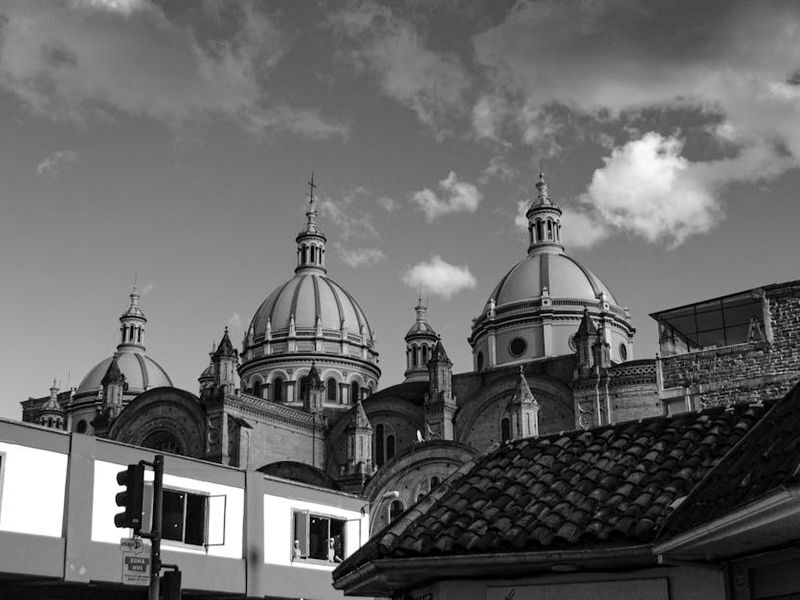
- Catedral Nueva (New Cathedral): Famous for its striking blue domes—climb nearby viewpoints for great photos.
- Museo Pumapungo: An excellent museum and archaeological park showcasing local cultures.
- El Barranco: The riverside district with colorful houses, art galleries, and bridges over the Tomebamba River.
- Mirador de Turi: A classic viewpoint above the city—best around sunset for panoramic vistas.
- Local craft towns: Plan half-day trips to nearby Chordeleg for silver jewelry and Gualaceo for textiles and handicrafts.
Day Trips: Nature and History Outside the City
Cuenca makes a superb base for exploring southern Ecuador:
- Cajas National Park: A highland wonderland of lakes and hiking trails roughly 30–45 minutes from the city—pack layers, water, and sturdy boots.
- Ingapirca: The largest known Inca ruins in Ecuador—plan a guided tour or a full-day trip to learn about Andean history.
- Chordeleg and Gualaceo: Nearby artisan towns where you can watch craftsmen work and buy directly from makers.
Money, Tipping, and Shopping
Because Ecuador uses the US dollar, handling money is straightforward. Here are practical tips for payments and buying souvenirs:
- ATMs are widespread; use machines in banks or reputable locations to reduce risk of skimming.
- Credit cards are accepted in many restaurants and hotels, but small cafés and markets may be cash-only.
- Tipping: A 10% service charge is common in restaurants; if service isn’t included, leaving about 10% is appreciated. Tipping taxi drivers is optional but rounding up is standard.
- Bargaining: In markets you can politely negotiate prices, especially for crafts and bulk purchases. Haggling is part of the experience—do so with a smile.
Safety and Common-Sense Precautions
Cuenca is frequently ranked among Ecuador’s safest cities, but petty theft can happen. Follow these safety basics to enjoy your trip worry-free:
- Keep valuables out of sight and use a money belt or hidden pouch for passports and extra cash.
- Use hotel safes for passports and electronics when available.
- Be cautious at night in dimly lit or quiet areas—stick to well-traveled streets.
- Watch for pickpockets in crowded markets or buses. Carry only what you need when exploring on foot.
- Emergency number: 911 works in Ecuador for police, fire, and medical emergencies.
Connectivity and Staying in Touch
Staying connected in Cuenca is simple and affordable:
- Wi-Fi is widely available in hotels and cafés; speeds are generally good in the city center.
- Local SIM cards from providers like Claro and Movistar are sold at official stores—expect to show ID when purchasing. Prepaid data plans are inexpensive and easy to top up.
- Ask your accommodation about Wi-Fi reliability if you plan to work remotely—some neighborhoods are better connected than others.
Cultural Etiquette and Simple Spanish Phrases
Engaging with locals is part of the joy of visiting Cuenca. A few cultural notes and Spanish phrases will go a long way:
- Greet people with a friendly “Hola” or “Buenos días/tardes”. Among acquaintances, a single cheek kiss is common.
- Use “por favor” and “gracias”—basic politeness is always appreciated.
- Helpful phrases: “¿Cuánto cuesta?” (How much does it cost?), “¿Dónde está el baño?” (Where is the bathroom?), “Hablo un poco de español” (I speak a little Spanish).
- Dress respectfully when visiting churches and public ceremonies—avoid overly revealing clothing.
Packing Checklist for Cuenca
Here’s a practical list for first-time visitors to make sure you have what you need:
- Layered clothing: light shirts, a warm sweater, and a waterproof jacket.
- Comfortable walking shoes with good traction for cobblestones.
- Sunscreen (higher altitude increases UV exposure), sunglasses, and a hat.
- Small backpack for day trips, a water bottle, and hand sanitizer.
- Copies of important documents (passport, travel insurance) and a small amount of USD in small bills.
- Basic Spanish phrase list or translation app for quick communication.
Final Tips: Slow Down and Savor the City
Cuenca rewards curiosity and a slow pace. Take time to sit in a plaza with a café con leche, stroll along the Tomebamba River, and pop into artisan shops and museums that catch your eye. Let the city’s relaxed rhythm guide your itinerary—some of the best experiences come from wandering and talking to locals.
With a little planning—respect for altitude, comfortable shoes, and an open attitude—you’re set to enjoy one of Ecuador’s most beautiful and livable cities. Bienvenido a Cuenca: enjoy every cobblestone, cup of coffee, and mountaintop view.