
Table of Contents
Welcome to Cuenca: Why a Week Is Perfect
Cuenca, Ecuador’s charming colonial jewel nestled in the southern highlands, offers a compact, walkable historic center, lively markets, and easy access to dramatic mountain landscapes. Spend seven days here and you’ll have time to explore the city’s churches and museums, sample local cuisine, visit artisan towns, and take two classic day trips without feeling rushed. This guide gives a practical, day-by-day plan along with tips for transport, packing, safety, and local customs.
Quick Practical Notes Before You Go
Cuenca sits at about 2,560 meters (8,400 feet) above sea level, so give yourself a few hours to acclimatize. The currency is the US dollar. Spanish is the dominant language — a few phrases go a long way. Taxis are inexpensive; meters are common but agree on fares for longer rides. Prepaid SIMs from Claro or Movistar are easy to buy at kiosks and in the city.
Packing essentials: a waterproof jacket (it can rain any time), good walking shoes for cobblestones, sunscreen, a daypack, and a reusable water bottle. Many visitors find light layers best because mornings can be cool and afternoons pleasantly warm.
Day 1 — Arrival and the Historic Core
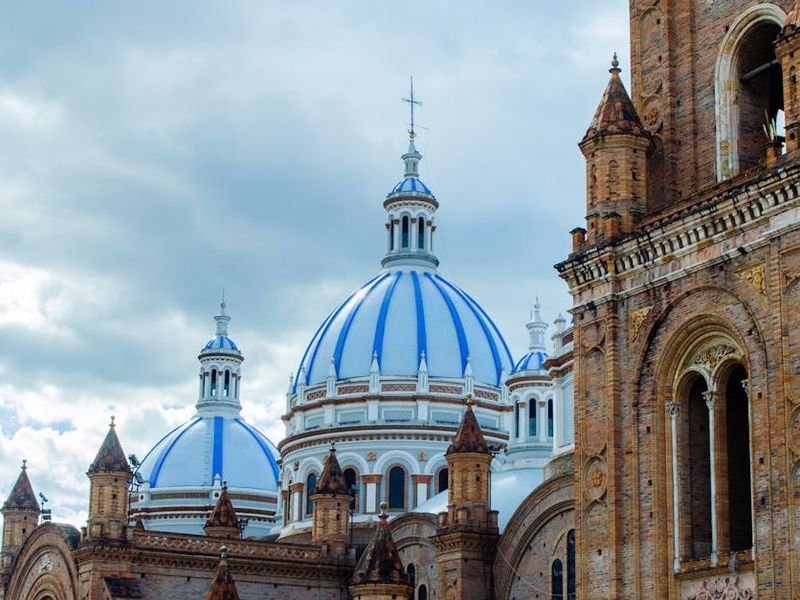
Spend your first day gently acclimating and orienting yourself. The heart of Cuenca is Parque Calderón, an attractive plaza surrounded by cafes and the towering blue-domed New Cathedral (Catedral de la Inmaculada Concepción). Start with a stroll around the square, admire the cathedral’s exterior, and then wander the grid of cobblestone streets: Calle Larga and the pedestrian zones nearby are packed with shops, bakeries, and small galleries.
For afternoon coffee, head down toward the Tomebamba River. The riverside paths and low bridges offer one of the city’s most photogenic viewpoints. If you feel energetic, climb to the Mirador de Turi in the late afternoon for a panoramic sunset over Cuenca’s red-tile roofs.
Day 2 — Museums, Markets, and Artisan Workshops
Dedicate a day to culture. Begin at Museo Pumapungo, part archaeology museum, part ethnography center, with reconstructed Inca terraces and beautiful exhibits about pre-Columbian cultures. Nearby is the lush botanical garden that’s perfect for a slow stroll.
After the museum, explore Mercado 10 de Agosto or the central market to sample local foods: try mote (hominy), fresh juices, and hornado (slow-roasted pork) from market stalls. In the afternoon seek out artisan workshops — Cuenca has fine silver filigree jewelry, woven textiles, and hat-makers where you can see a Panama hat being blocked and shaped. Support small workshops instead of souvenir shops for better quality and fair pay.
Day 3 — El Cajas National Park: Lakes and Hiking
One of the best day trips from Cuenca is El Cajas National Park, a páramo landscape with hundreds of glacial lakes and rolling moorland. It’s only about 30–45 minutes by car to the park entrance. Choose a shorter loop if you want scenery with minimal hiking, or tackle longer trails like the Garzara loop to see multiple lagunas.
Dress warmly and bring water and snacks. The weather can change quickly at altitude — bright sun can turn to drizzle in an hour. Birders should watch for hummingbirds and highland species like the Andean condor in good weather.
Day 4 — Ingapirca and Cañar Culture
Take a full-day excursion to Ingapirca, Ecuador’s largest known Inca ruins, roughly two hours from Cuenca by car or an organized tour. Walk the carefully restored stone structures including the Temple of the Sun and enjoy wide valley views. Along the route you’ll find small villages where you can learn about local weaving traditions and regional cuisine.
A guided tour adds context: Incan cosmology, the mix of Cañari and Inca influences, and the architecture that blends both traditions. Bring sunscreen and a hat for the exposed ruins.
Day 5 — Gualaceo and Chordeleg: Artisan Towns
Spend a day exploring the trade and craft towns east of Cuenca. Gualaceo has a lively market and good textile producers, while Chordeleg is famous for its silver filigree jewelry — it’s where many artisans make intricate earrings and bracelets. Both towns are friendly for independent exploration; buses run frequently from Cuenca’s bus terminal or book a private driver to stop at several small studios along the way.
Look for traditional button-lid boxes, handmade scarves, and pieces with fine silverwork. These towns are also excellent places to find locally produced coffee and chocolate made from nearby cacao farms.
Day 6 — Local Flavors and Slow Discoveries
After a couple of active days, slow the pace. Start with a cooking class or food tour to learn how to make Cuencano favorites like ceviche (Ecuadorian style), llapingachos (potato patties), and sweet treats. If cooking isn’t your thing, spend a morning visiting boutique galleries and independent bookstores along Calle Larga and Calle Simon Bolivar.
In the afternoon, wander the quieter barrios near the river, or visit the Museo de Las Conceptas (a convent-turned-museum) for religious art and cloistered courtyards. End the day with live music in a small bar or a relaxed dinner at a rooftop restaurant overlooking the cathedral.
Day 7 — Neighborhoods, Shopping, and Departure
Use your final day to do any last-minute shopping and to see neighborhoods outside the historic core. Yanuncay has a local vibe and several parks; Remigio Crespo is a pleasant area for cafes and local bakeries. If you have time, take a bike ride along the riverside paths to soak up the city’s daily life.
Pack your purchases carefully — Panama hats and textiles pack well when rolled. Confirm transportation to the airport or your next destination a day in advance. If you’re leaving late, treat yourself to a thermal bath or spa session to unwind after a week of walking.
Where to Stay: Neighborhoods and Accommodation Tips
The most convenient place to stay is the historic center (Centro Histórico) because it puts you within walking distance of major sights. Boutique hotels and renovated colonial houses give character and typically include breakfast. If you prefer a quieter stay, look for accommodation on the south side of the Tomebamba River or near Turi — both are slightly removed from the busiest streets but still close by taxi.
For budget travelers, there are many hostels and guesthouses offering communal kitchens and social evenings. Book in advance during high season (June–August and around holidays) when expat visitors and Ecuadorians traveling domestically fill rooms.
Food, Drink, and Local Specialties
Cuenca’s food scene is a delightful mix of Andean staples and seafood-based coastal dishes. Don’t miss trying hornado (roast pork), mote pillo (scrambled corn and egg), seco de chivo (goat stew), and a variety of fresh fruit juices. Street markets and casual local restaurants offer the best value; fine dining is available if you want a splurge night.
Chocolate lovers will appreciate local artisanal chocolate made from Ecuadorian cacao; many shops offer tastings. Coffee is also excellent — look for beans from Loja and surrounding provinces, roasted locally and served in small, quality cafes.
Getting Around: Buses, Taxis, and Walking
Cuenca’s compact center is extremely walkable. For longer distances, the city’s bus system is inexpensive (fares are low) and taxis are readily available. Agree on a fare before you go for longer rides or ask the driver to use the meter. Many visitors use ride apps or hotel-arranged transport for early-morning airport transfers.
If you plan independent day trips like El Cajas or Ingapirca and don’t have a car, consider booking a small-group tour for convenience. Private drivers are more flexible and still reasonably priced if you want to make stops at scenic overlooks or artisan villages along the way.
Safety, Health, and Etiquette
Cuenca is one of Ecuador’s safest major cities, but petty theft can occur — keep valuables discreet, use a money belt or inner zippered pocket, and don’t leave bags unattended. Nights are generally safe in tourist areas, but avoid dimly lit side streets after dark.
Tap water in Cuenca is treated and many locals drink it. If you prefer an extra margin of safety, use filtered or bottled water, especially if you have a sensitive stomach. Altitude effects are usually mild; take it easy on the first day and drink plenty of fluids. Medical facilities in Cuenca are good — check where your nearest clinic or hospital is located when you arrive.
Sustainable and Respectful Travel Tips
Support local businesses: buy crafts directly from artisans, eat at family-run restaurants, and hire local guides. Avoid buying items made from protected wildlife or unsustainably sourced materials. When visiting churches or religious sites, dress modestly and speak quietly; many buildings are still active places of worship.
Reduce plastic use by carrying a refillable bottle and shopping bag. If you take photos of people, especially vendors or indigenous artisans, ask permission and consider offering to pay a small fee for portraits — it’s polite and supports livelihoods.
Final Notes: Make the Week Yours
Seven days in Cuenca strikes a comfortable balance between seeing the city’s highlights and slipping under the surface to learn about local life. Mix active day trips with slower museum, food, and shopping days. Leave space for unexpected discoveries: a festival in the plaza, a sidewalk concert, or an invitation to a family meal. With this flexible plan, you’ll finish the week with a deep sense of why Cuenca is one of Ecuador’s most beloved destinations.
Buen viaje — enjoy the cobbled streets, warm hospitality, and highland sunsets of Cuenca!