
Table of Contents
Why a Week in Cuenca Is Perfect
Cuenca, Ecuador’s highland jewel, is compact enough to explore on foot but rich enough in museums, markets and surrounding nature to fill a full week without feeling rushed. With a pleasant climate, a UNESCO-listed historic center and a welcoming expat community, Cuenca works well as a slow-paced city break or base for exploring southern highlands. This guide lays out a practical day-by-day plan plus local tips so you get the most of seven days here.
Quick Practical Notes Before You Go
Cuenca sits at roughly 2,560 meters (8,400 feet) above sea level, so give yourself an easy first day to adjust. Ecuador uses the US dollar, ATMs are plentiful, and Spanish is the dominant language — many people working in tourism speak English, but a few Spanish phrases go a long way. Weather is mild year-round: pack layers and a light rain jacket. Tipping around 10% is common when service isn’t included.
Where to Stay: Neighborhoods That Make a Week Easy
For a first visit, base yourself in the Historic Center near Parque Calderón (the main square). You’ll be within walking distance of major attractions, restaurants and evening activity. If you prefer quieter streets with a local vibe, consider staying near El Barranco or along the Tomebamba River for scenic riverside walks. Accommodation options range from boutique hotels and guesthouses in colonial buildings to modern apartments and Airbnbs — book early if you’re visiting during high season or festivals.
Day 1 — Arrival and a Gentle Stroll Through the Historic Center
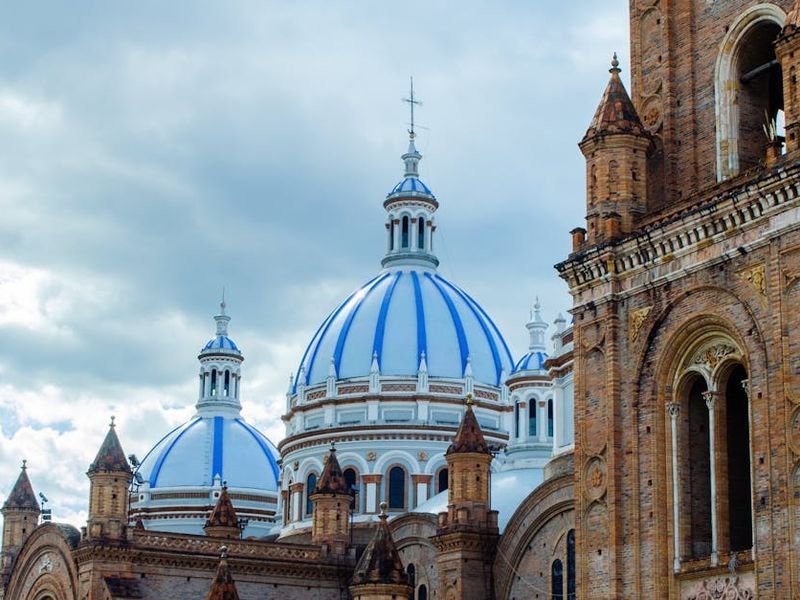
After settling in, take a slow orientation walk around Parque Calderón. Admire the cathedral with its iconic blue-domed roofs and cross the pedestrian streets that radiate from the plaza. Wander along Calle Larga for coffee shops, bakeries and small boutiques, then head down to the banks of the Río Tomebamba to see restored colonial mansions and riverside gardens. Keep the first evening low-key: choose a restaurant overlooking the plaza for classic Andean dishes and an early night to help acclimatize.
Day 2 — Museums and Local History
Dedicate a day to Cuenca’s museums and colonial heritage. Start at Museo Pumapungo — this archaeological and ethnographic museum explores the pre-Columbian cultures of the region and includes restored Inca terraces and ruins on its grounds. Nearby, visit the Museo de las Conceptas, a former convent with religious art and architecture that reveals daily life in colonial times. Finish with a stroll to the Cathedral (known locally as the New Cathedral) where you can climb or view the domes and photograph the best angles from across the plaza.
Day 3 — Artisan Markets, Shopping & Panama Hats
Cuenca is an artisan hub. Spend a morning at the municipal markets where you can try local snacks and discover textiles, ceramics and jewelry. Head to the artisan markets near El Barranco to watch craftsmen and women at work and pick up handmade goods — look for fine weaving, leather and silver. Don’t miss trying on a fine-quality toquilla straw “Panama” hat; while many of these hats are made in coastal Ecuador, Cuenca has excellent hat shops and custom sellers. Ask about the weave grade — tighter weaves are more valuable.
Day 4 — Day Trip to Cajas National Park
Reserve a full day for Parque Nacional Cajas, about a 45–60 minute drive from Cuenca. This high Andean park is famous for its glacial lakes, peat bogs and variable weather. Bring warm layers, sturdy footwear and water. Popular short hikes take you to scenic lagoons and viewpoints where you might spot Andean waterfowl or wildflowers. If you’re a more experienced hiker, longer treks and circuit routes are available. Tours and taxis can arrange round trips if you prefer not to rent a car.
Day 5 — Small Towns: Gualaceo and Chordeleg
Spend this day exploring small artisan towns a short drive from Cuenca. Gualaceo and Chordeleg are known for handicrafts: Gualaceo for textiles and colorful markets; Chordeleg for fine silver jewelry and filigree work. Stroll local streets, visit family workshops and buy directly from makers. The towns are great for photographing colonial churches, plazas and local life. Many visitors combine both in a single day trip with stops for lunch at a roadside restaurant to taste hearty local specialties.
Day 6 — Miradores, Neighborhoods & Riverside Cafés
Take a relaxed day to explore Cuenca’s neighborhoods. Start early with the viewpoint at Turi (Mirador de Turi) — you’ll get sweeping panoramas of the city and a chance to visit a craft market around the viewpoint. Back in the city, explore lesser-known barrios like El Vergel and San Sebastián with their colorful houses and local bakeries. Spend the afternoon sipping coffee along the Tomebamba and browsing independent galleries and bookshops. For sunset, the riverside pathways offer peaceful places to watch the light change on the cathedral domes.
Day 7 — Food, Farewells and a Final Cultural Fix
Spend your final day sampling Cuenca’s food scene and revisiting favorites. Start at a busy market for a traditional breakfast such as locro de papa (potato soup) or a savory fritada. Take a short cooking class or a food walking tour to learn about local ingredients and culinary traditions. In the afternoon, pick up any last-minute souvenirs from artisan shops and enjoy a leisurely dinner. If your schedule allows, an evening music or folkloric show can be a charming way to cap the week.
Getting Around: Practical Transport Tips
Cuenca is highly walkable, especially the historic center. For longer trips, taxis are inexpensive and easy to flag down; agree on a price upfront if the taxi doesn’t use a meter. Ride-hailing apps are available in parts of the city but may be less reliable than local taxis. For day trips to Cajas or artisan towns, consider booking a small-group tour or hiring a private driver if you prefer not to navigate mountain roads. Public buses connect to nearby towns at very low cost for flexible travelers.
Food & Drink — What to Try and Where
Cuenca’s cuisine blends highland staples with coastal influences. Don’t miss these local tastes: hornado (roast pork), mote (hominy) dishes, locro and fresh fruit juices. For coffee and chocolate lovers, seek out specialty cafés and chocolaterías that showcase Ecuadorian beans and single-origin cacao. For affordable local dining, visit municipal markets where you’ll find delicious, home-style cooking. For special nights out, reserve a table at a well-reviewed restaurant in the historic center to sample modern takes on Ecuadorian cuisine.
Safety, Health & Money
Cuenca is considered one of Ecuador’s safer cities, but normal urban precautions apply: keep valuables secure, be mindful in crowded places and avoid poorly lit streets late at night. Stay hydrated and take it easy your first day to acclimatize to the altitude. Bring a small first-aid kit, any prescription medicines, and a photocopy of your passport. ATMs are common but use machines in banks or well-lit areas. Carry small bills for markets and taxis; many establishments accept cards, but smaller vendors may not.
Seasonal Tips & Festivals
Cuenca’s weather is changeable — expect sun, wind and a shower sometimes in the same day. The city’s cultural calendar includes religious festivals, parades and artisan fairs at different times of the year. Semana Santa (Holy Week) and Independence-related holidays bring parades and traditional foods. If you can, check local event listings before you travel — festivals add a unique dimension to a visit but also mean hotels fill up quickly.
How to Make the Most of Your Week
Mix active days (hiking in Cajas, walking markets) with slower days for museums, cafés and neighborhood exploration. Book any special tours, cooking classes or Cajas excursions a few days in advance. Bring comfortable walking shoes — cobblestones and steep streets are common — and a reusable water bottle. Practice a few Spanish phrases to connect with vendors and guides; locals appreciate the effort and it often opens doors to more authentic experiences.
Final Thoughts: Why Cuenca Rewards a Longer Stay
A week in Cuenca lets you absorb both the city’s historic charms and the highland landscapes that surround it. You’ll have time to savor museums and markets, connect with local artisans, take meaningful day trips and leave with a solid impression of southern Ecuadorian culture. Whether you’re a slow traveler, an outdoor lover, or someone scouting a retirement-friendly city, seven days in Cuenca gives you a genuine feel for why so many fall in love with this elegant, walkable Andean town.
Quick Checklist Before You Depart
- Pack layers and a light rain jacket.
- Bring comfortable walking shoes for cobblestones and trails.
- Carry a photocopy of your passport and keep the original safe.
- Download offline maps and a translation app for convenience.
- Reserve Cajas National Park and artisan-town tours in advance where possible.
With sensible planning and a flexible attitude, your one week in Cuenca will be full of discoveries — from soulful colonial streets to crisp mountain lakes — and enough time to make this inviting Ecuadorian city feel like a home-away-from-home.