
Table of Contents
Why routine dental check-ups are more than just a cleaning
Most people think of dental visits as a twice-yearly teeth cleaning. While cleanings are important, regular dental check-ups serve a wider purpose: prevention, early disease detection, and long-term cost savings. In Cuenca — where quality dental care is widely available and often more affordable than in the U.S. or Europe — routine visits let you protect your oral health and catch small problems before they become big ones.
How often should you see a dentist?
The traditional advice is every six months, and that remains a solid baseline for otherwise healthy adults. But repair your schedule according to personal needs:
- Every 6 months: Most people for cleaning, oral exam, and X-rays as needed.
- Every 3–4 months: People with a history of gum disease (periodontitis) or implants often need more frequent maintenance.
- After significant dental work: Follow-ups after crowns, root canals or implants usually happen within days and again at intervals recommended by your dentist.
- Immediate care: For pain, swelling, trauma, or signs of infection, don’t wait — seek emergency care.
What your dentist checks during a typical visit
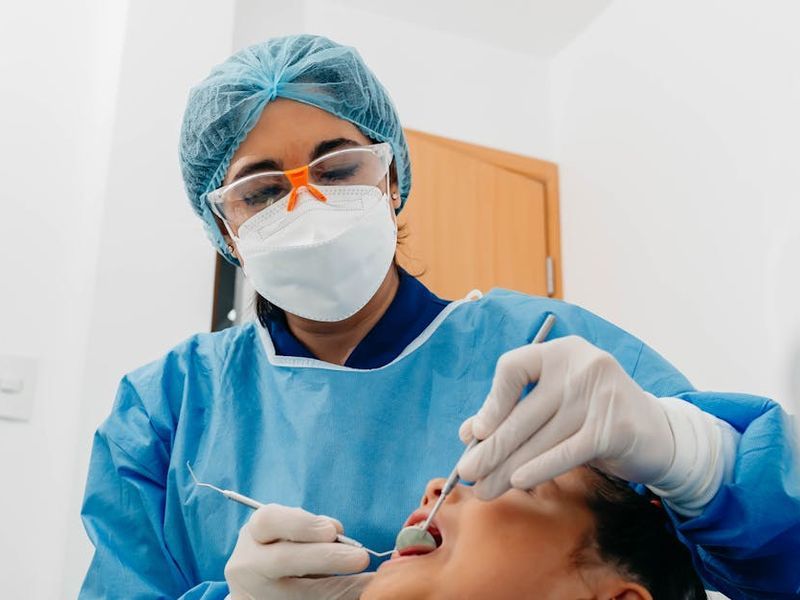
A routine appointment in Cuenca commonly includes:
- Medical history update and discussion of medications or systemic conditions (diabetes, pregnancy).
- Professional cleaning (scaling and polishing) to remove plaque and tartar.
- Visual exam of teeth, gums, tongue, and oral tissues to screen for cavities and oral cancer.
- Digital X-rays when needed to detect hidden decay, bone loss, or problems under restorations.
- Assessment of bite, previous crowns or fillings, and implant checks.
- Personalized preventive advice on brushing, flossing, and diet.
Why prevention pays — the long-term benefits
Preventive care saves money and preserves natural teeth. A small filling is cheaper and less invasive than a root canal and crown. Regular cleanings reduce the risk of gum disease, which has been linked to systemic conditions like cardiovascular disease and poor diabetic control. For expats planning years in Cuenca, consistent preventive care means fewer emergencies during travel, better overall health, and a more confident smile for social and professional life in town.
Understanding common dental treatments in Cuenca — what to expect
Cuenca offers a wide range of dental services, from routine preventive care to specialized treatments. Here’s an overview of common procedures and what patients typically experience:
- Dental cleaning and polishing — quick, effective, and usually painless. Hygienists remove tartar buildup and polish teeth.
- Fillings — modern composite (tooth-colored) fillings are the norm. Multiple visits are rare; most are done in one appointment.
- Root canals — used to save infected teeth. Materials and techniques are comparable to international standards; follow-up crowns are common.
- Crowns and bridges — used to restore function and appearance. Many clinics work with local dental labs to fabricate crowns; ask about materials (e.g., ceramic, zirconia).
- Dental implants — increasingly popular. Implant prices and techniques vary; choose a clinic that offers clear planning, surgical imaging, and a warranty or maintenance plan.
- Cosmetic dentistry — whitening, veneers, and smile makeovers are widely available. Ask to see before-and-after photos of similar cases.
Costs and value — realistic price expectations
One of the reasons Cuenca attracts expats for dental work is value. While exact prices vary by clinic, materials, and complexity, typical ranges (approximate and subject to change) are often considerably lower than in North America:
- Routine cleaning: modest fee — often very affordable.
- Fillings: reasonable prices for composite restorations.
- Root canals and crowns: mid-range costs vs. higher prices abroad.
- Dental implants: substantial investment but generally less expensive than in many foreign cities.
Always get a written treatment plan with a cost breakdown and ask whether post-treatment follow-up is included. Cheaper isn’t always better — prioritize clinics that explain procedures clearly, use modern sterilization, and offer warranties for restorative work.
Navigating dental care as an expat in Cuenca
Cuenca has a friendly expat community and many dental professionals accustomed to international patients. Here are tips to make your experience smoother:
- Bring dental records: When you arrive, bring past X-rays and treatment records if possible. This helps the new dentist create an accurate plan.
- Language: Many dentists speak Spanish; several clinics have staff fluent in English. If you’re worried about language, ask for an English-speaking hygienist or translator in advance.
- Ask locally: Expat forums, Facebook groups, and WhatsApp communities in Cuenca are excellent resources for firsthand recommendations.
- Check university clinics: Dental schools and university clinics may offer quality care at reduced prices under supervised students — a good option for routine and some restorative work.
- Insurance and IESS: Some expats have private dental insurance. Ecuador’s social security system (IESS) provides dental services to contributors and eligible dependents — check your status and entitlements.
How to choose a dentist or clinic in Cuenca
Choosing the right dentist is a personal decision. Use these practical criteria when evaluating clinics in Cuenca:
- Credentials: Verify the dentist’s training and any specialist certifications (prosthodontics, endodontics, periodontics).
- Sterilization: Ask about sterilization protocols and whether they visibly use an autoclave. A clean, organized office is a good sign.
- Technology: Digital X-rays, intraoral cameras, and 3D imaging are indicators of modern practice. For complex procedures, imaging matters.
- Materials and labs: Ask where crowns and veneers are made and what materials are used. Some clinics use high-quality local labs with skilled technicians.
- Comfort and communication: A clinic that explains options, shows treatment photos, and discusses expected outcomes is worth its weight in gold.
Emergency dental care in Cuenca — what to do
Toothaches, broken teeth, and oral infections happen. If you experience sudden severe pain, swelling, fever, or difficulty breathing, seek urgent care. For less severe emergencies:
- Call your dentist first — many clinics reserve slots for urgent cases or can refer you to an on-call practitioner.
- Avoid home extractions — a pulled tooth without proper cleaning risks infection.
- Temporary measures: rinse with warm saltwater, use over-the-counter pain relief like ibuprofen (unless contraindicated), and apply a cold compress for swelling.
- Keep an emergency dental kit: temporary filling material (available locally), dental floss, clove oil (for short-term pain relief), and a list of your medications.
Special considerations: pregnancy, diabetes, seniors, and implants
Certain health conditions change how often you should visit the dentist and what procedures are safe:
- Pregnancy: Routine cleanings are safe and advisable; avoid elective radiographs and elective cosmetic procedures in the first trimester. Always tell your dentist you’re pregnant.
- Diabetes: Poorly controlled diabetes increases risk for gum disease. More frequent periodontal maintenance and communication with your medical provider help keep gums healthy.
- Seniors: Denture checks, relines, and evaluations for root caries are common. Older adults often need more frequent monitoring.
- Implant patients: Regular maintenance every 3–6 months is recommended to check peri-implant tissue and prostheses.
Cosmetic dentistry and value-based decisions
If you’re considering cosmetic enhancements — whitening, veneers, or full mouth makeovers — Cuenca has many capable cosmetic dentists. A few pointers:
- View portfolios and request cases similar to yours to judge aesthetic taste and skill.
- Understand longevity: veneers, crowns, and whitening need maintenance and possible future replacement.
- Balance cost and quality: cheaper materials may save money now but could require earlier replacement.
Building a long-term dental relationship in Cuenca
Think of your dentist as a partner in health. Regular check-ins build a record that helps the dentist catch issues early and design a long-term plan that balances prevention, function, and aesthetics. If you intend to live in Cuenca for several years, choose a clinic where you feel comfortable and confident in the team’s skills.
Final tips — practical checklist before your next appointment
- Bring any prior X-rays and a list of medications.
- Make a list of symptoms, even if they seem minor: sensitivity, bad breath, bleeding gums.
- Ask for a written treatment plan and cost estimate, including follow-up visits.
- Confirm language preferences and whether an English-speaking staff member is available.
- Discuss sterilization, warranty on restorative work, and how emergencies are handled after hours.
Regular dental check-ups are an investment in comfort, confidence, and long-term health — especially in a city like Cuenca where accessible, high-quality dental services can make preventive care both convenient and affordable. Whether you’re a lifelong resident or a newcomer exploring the city’s plazas and markets, scheduling and keeping routine dental visits will keep your smile ready for every conversation, coffee meet-up, and sunset stroll through the Historic Center.