
Table of Contents
Introduction: Why Americans Compare Cuenca to U.S. Cities
For many American retirees the question isn’t simply “Can I afford to move?” but “How much more comfortable will my retirement be?” Cuenca, Ecuador — an Andean city known for its colonial center, mild climate and large expat community — often appears at the top of lists because the U.S. dollar is Ecuador’s currency and costs are typically lower than in many U.S. metro areas. This article walks through the detailed cost differences, neighborhood nuances, healthcare, local services, and practical budgeting examples so you can see how retirement dollars stretch in Cuenca compared to U.S. cities like Phoenix, Tampa, Austin and Portland.
Quick Snapshot: What Makes Cuenca Different
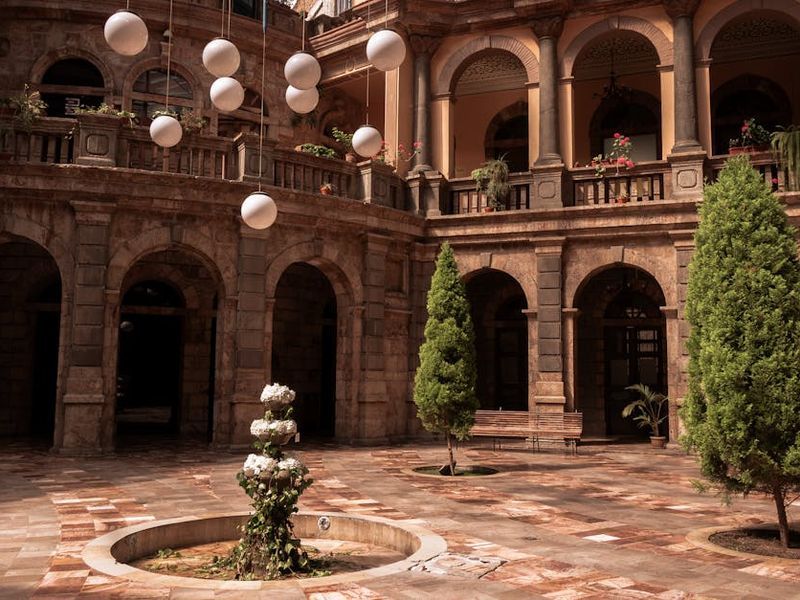
Cuenca sits at about 2,560 meters (8,400 feet) in the Andes, giving it a year-round spring-like climate, historic streets (a UNESCO World Heritage center) and neighborhoods that range from bustling Centro Histórico to quieter residential areas. Ecuador uses the U.S. dollar, so you avoid exchange rate headaches, and public services such as transit and municipal markets are priced for local incomes — which is one reason living costs can be substantially lower than in U.S. cities.
High-level cost comparison
- Housing: Typical rental and purchase prices in Cuenca are often 40–70% lower than mid-sized U.S. cities.
- Healthcare: Private care is private-pay affordable; public and socialized systems provide lower-cost options.
- Food & transport: Local markets, buses and trams keep daily costs down compared to U.S. alternatives.
- Utilities & services: Electricity, internet and domestic help are generally cheaper, but expect to pay for comforts (like imported foods) at U.S.-like prices.
Housing: From Historic Centro to Quiet Suburbs
Where you live in Cuenca makes a big difference. Popular neighborhoods among expats include the Centro Histórico (walking distance to cafes and the Cathedral), San Sebastián (artisan district), and newer residential areas along the north and east where modern apartments and gated communities are common.
Rental ranges you can expect:
- Basic 1-bedroom apartment in Centro or nearby: $300–$600/month (furnished)
- 2-bedroom apartment in a mid-range neighborhood with modern amenities: $450–$900/month
- Large homes or upscale condos in gated developments: $900–$2,000+/month
If you compare that to many U.S. cities — for example, a comparable downtown 1–2 bedroom in Phoenix, Austin or Portland often costs $1,200–$2,000+ — you can see the potential for significant savings or a larger home for the same budget. Buying property in Cuenca can also be attractive: modest condos often begin in the low tens of thousands to mid-five figures depending on location and condition.
Utilities, Internet and Household Help
Utilities in Cuenca tend to be inexpensive, particularly for water and basic electricity. However, because of the high-altitude climate, many homes don’t have central heating — so if you want continuous heating or electric hot water you should budget accordingly.
- Electricity & water: $25–$75/month for a typical apartment (higher if you use electric heating heavily)
- Internet & cable: $25–$45/month for decent broadband service
- House cleaning or domestic help: $10–$25 per visit or $80–$200/month for regular part-time help
Many retirees find that hiring occasional help for housekeeping or gardening is affordable and improves quality of life.
Food: Markets, Restaurants and the Cost of Imported Items
Groceries in Cuenca are a mix. Local produce, cheeses, eggs and staples are very inexpensive when bought at municipal markets such as Mercado 10 de Agosto or Mercado 9 de Octubre. If you prefer imported goods, specialty stores and supermarkets charge higher prices similar to U.S. stores for certain items.
- Typical grocery outlay for two people cooking at home: $200–$400/month depending on shopping habits
- Lunch at a local ‘almuerzo’ (set midday meal): $2–$4
- Mid-range restaurant dinner for two: $20–$40
One of the biggest ways to save in Cuenca is to buy seasonally at mercados and to enjoy local cuisine rather than relying on imported foods.
Healthcare: Quality, Access and Costs
Cuenca has a mix of public and private healthcare. The Ecuadorian public system (IESS) serves insured workers and retirees who participate in the national program; private hospitals and clinics offer quicker appointments and a wide range of specialists at a fraction of U.S. prices.
Practical cost expectations:
- Private doctor visit: $25–$60 depending on specialty
- Routine dental work and elective procedures: often 40–70% cheaper than comparable U.S. prices
- Private insurance plans: available and typically much cheaper than U.S. premiums, but coverages vary so shop carefully
Retirees often combine private-pay visits with an expatriate or local insurance policy for major procedures. Cuenca’s healthcare infrastructure is robust for a city its size — you’ll find labs, imaging centers and specialists across the city. For very complex procedures, some retirees choose to travel to Quito or abroad depending on needs.
Transport: Buses, Taxis, Tram and Airport Access
Public transport in Cuenca is inexpensive and widely used. The city operates a tram (Tranvía) for certain routes and a network of buses that reach most neighborhoods. Taxi rides are cheap compared to U.S. cities, and the city is very walkable in many central areas.
- City bus/tram fares: typically well under $1 per trip
- Taxi short ride: $1.50–$4 depending on distance
- Gasoline and car ownership: lower than many U.S. cities in relative cost, but parking and driving in Centro can be challenging
Cuenca’s Mariscal Lamar International Airport connects to Quito and Guayaquil and has international connections; many retirees rely on occasional flights to the U.S. for family visits or medical needs.
Taxes, Residency and Legal Considerations
Before you retire abroad it’s essential to plan taxes and residency. Ecuador has various visa categories for retirees, such as pension or permanent residency routes, each with its own document and financial requirements. Benefits for residency may include certain import tax exemptions on household goods and discounts on public services, but the rules change — verify current regulations before you move.
Taxation deserves special attention: U.S. citizens must continue to file U.S. taxes on worldwide income. Ecuador has its own tax regime for residents: whether your Social Security or pension income is taxed locally depends on tax law and bilateral agreements. Consult both a U.S. tax advisor familiar with expatriate issues and a local Ecuadorian accountant when planning to avoid surprises.
Sample Monthly Budgets: Thrifty to Comfortable
These are example guidelines for Cuenca compared to the same lifestyle in selected U.S. cities:
Thrifty (single retiree)
- Cuenca: $900–$1,300/month — basic rental or shared housing, local groceries, public transport, modest dining out.
- U.S. (small to mid city): $2,000–$2,800/month — studio or small 1-bedroom rent, higher groceries, insurance and car costs.
Moderate (couple)
- Cuenca: $1,700–$2,500/month — 1–2 bedroom apartment in a good neighborhood, private health visits occasionally, dining out weekly.
- U.S. (mid-size metro): $3,500–$5,000/month — 1–2 bedroom rental in a safe neighborhood, car ownership, higher healthcare costs.
Comfortable / Upscale
- Cuenca: $3,000–$5,000+/month — private home or large modern condo, regular travel, private insurance, more dining and services.
- U.S. (desired city): $6,000–$10,000+/month — larger home, premium healthcare coverage, more expensive entertainment and travel.
These examples show that a comparable or higher quality of life is often achievable in Cuenca for considerably less money than in many U.S. cities.
Banking, Money Transfer and Managing Dollars
Because Ecuador uses the U.S. dollar, you avoid currency exchange risks, but you still need reliable banking and transfer methods. Most retiree expats use a mix of:
- Local Ecuadorian bank account for daily expenses — useful if you plan to work with local utilities and services
- A U.S.-based bank or credit union for Social Security deposits and U.S. bills
- Services like Wise, OFX or bank wire transfers for occasional transfers — compare fees
Credit cards are widely accepted in Cuenca’s larger stores and restaurants, but smaller markets and taxis prefer cash. ATMs are common, but check fees and limits.
Neighborhood Selection: Practical Tips for Choosing Where to Live
Pick a neighborhood based on lifestyle, not just cost. If you want walkability and cafes, Centro Histórico or San Sebastián are ideal — expect more tourists and noise. For a quieter life with larger modern apartments and more parking, northern districts and newer developments make sense. Areas along the Tomebamba River are lovely for riverside walks.
- Try renting short-term first: A 1–3 month rental gives time to learn neighborhoods.
- Consider proximity to healthcare and markets if mobility becomes an issue.
- Look for buildings with elevators if you have concerns about stairs — many older buildings in Centro do not.
Safety, Language and Community
Cuenca is generally considered safe compared to many large cities, with active neighborhoods and a visible expat presence. Petty theft does occur, as in any city, so common-sense precautions (avoid displaying valuables, secure windows and doors) are wise. Learning Spanish pays huge dividends for both social life and navigating services; many retirees take language classes at local academies or participate in language exchange meetups.
The expat community in Cuenca is well-established: clubs, volunteer opportunities and English-speaking medical professionals help new residents settle in. Regular events, cultural festivals and the historic center make it easy to meet people.
Pros and Cons: What to Expect
Pros
- Lower overall living costs for housing, services and many goods
- Mild climate year-round and dramatic Andean scenery
- Dollar currency simplifies finances for Americans
- Strong expat community and quality private healthcare at affordable rates
Cons
- Altitude adjustment: some people require time to acclimate
- Less immediate access to U.S.-style products and brand choices may be limited or expensive
- Legal, tax and residency paperwork requires planning and professional advice
- Infrastructure hiccups — occasional power or water interruptions in some neighborhoods
Practical Moving Tips
- Make an exploratory trip for at least two weeks during a typical month to test climate, markets and neighborhoods.
- Line up local contacts: an expat group, a bilingual attorney, and an accountant who knows expatriate tax issues.
- Carry a medical summary and prescriptions; register with your local embassy for safety notifications and consular resources.
- Consider bringing only a few pieces of furniture and buying locally — moving large quantities can be expensive and customs rules can change.
Final Considerations: Will You Be Happier and Healthier?
For many American retirees, Cuenca represents a chance to convert retirement savings into daily comfort: more living space, reliable private healthcare at lower costs, and a slower, community-oriented lifestyle. Your financial picture depends on individual needs — particularly healthcare needs and travel frequency. If you value walkability, culture, and living on a dollar that buys more, Cuenca is worth a close look. If you require specialized medical services frequently or prefer the convenience of U.S. suburban life, the calculus changes.
Ultimately, a careful comparison — try a short-term stay, outline exact monthly costs for your lifestyle, and consult professionals on taxes and residency — will let you know whether Cuenca will stretch your retirement dollars and deliver the lifestyle you envision.