
Table of Contents
Why Neighborhood Choice Matters in Cuenca
Choosing where to live in Cuenca is one of the biggest decisions an American expat makes after deciding to move. The city’s compact historic center, leafy suburbs, and riverside promenades each offer different advantages: walkability, modern condos, quiet streets, or proximity to hospitals and international supermarkets. Your neighborhood shapes daily life—how you shop, socialize, get to appointments, and even how much you bundle up in the evenings.
What American Expats Usually Prioritize
When Americans evaluate Cuenca neighborhoods they commonly look for a few repeat items: safety and low crime, reliable healthcare nearby, easy access to international groceries and cafes, expat-friendly social scenes, good internet, and convenient transportation. Some also want historic architecture and cobblestone streets; others prefer modern apartments with elevators, internal garages, and green spaces for pets or children.
How to Use This Guide
This guide highlights the neighborhoods where American expats tend to land, focusing on real-life quality-of-life factors: cost, commute, medical access, noise, and community. Read through the neighborhood snapshots, then use the practical tips that follow to plan short-term stays, apartment hunting, and eventual long-term commitments.
Neighborhood Profiles: Where American Expats Thrive
1. Centro Histórico (Old Town) — For culture, walkability, and conveniences
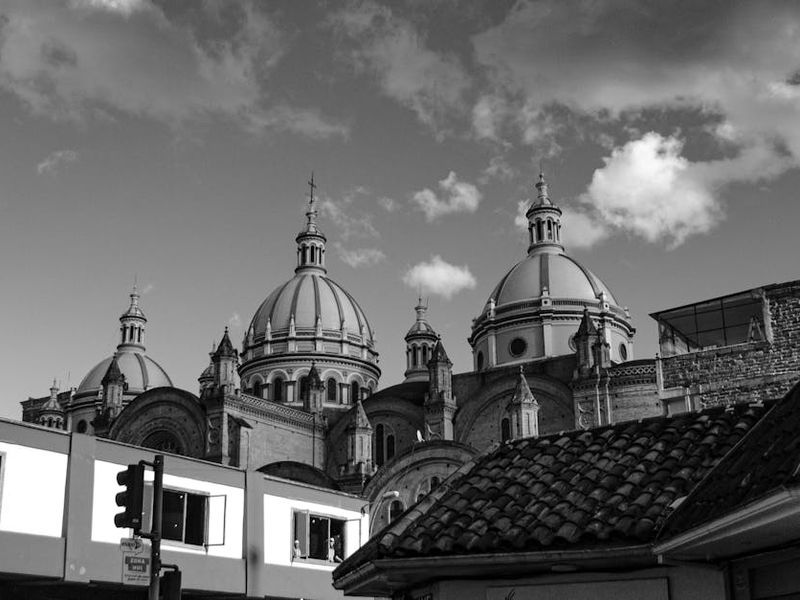
The historic center around Parque Calderón attracts many Americans who value architecture, daily markets, and cafés within steps of home. Living here means waking up to church bells, meandering to Pumapungo Museum or the cathedral for weekend strolls, and having dozens of restaurants and artisan shops at your doorstep. Apartments range from elegant colonial conversions to modernized flats above storefronts. Pros: unmatched walkability, tourist-energy, and cultural life. Cons: noise on weekends, parking can be challenging, and some buildings have narrow staircases.
2. San Sebastián — A quieter, historic pocket with expat roots
Just south of the core, San Sebastián blends cobblestone lanes with mellow residential blocks and a growing number of boutique hotels and cafes. It tends to attract expats who want the historic ambience but with fewer crowds and more residential calm. You’ll find pension-style guesthouses, small plazas where neighbors gather, and easy access to the Tomebamba River walks. Pros: quieter nights, strong community feel. Cons: older buildings can lack elevators; check water pressure and heating setups.
3. El Vergel — Modern conveniences and family-friendly developments
El Vergel (often called La Primavera/El Vergel by locals) sits north of the river and has newer apartment buildings, gated communities, and supermarkets that make daily life easy. Many Americans with families choose El Vergel for its modern construction, green spaces, and proximity to international schools and shopping. It’s also a short taxi ride to downtown. Pros: modern amenities, parking, and larger living spaces. Cons: less of the colonial charm found downtown.
4. El Batán — Suburban calm with quick city access
El Batán offers a more suburban layout: wider streets, single-family houses, and a quieter rhythm. It appeals to retirees and families who want a yard, off-street parking, and less traffic noise. Public transport and taxis make the city center accessible, and the area has several clinics and local markets. Pros: quiet, family-oriented streets. Cons: longer walks to central cultural sites.
5. Yanuncay & Riverside Areas — Scenic walks and newer construction
Neighborhoods along the Río Yanuncay and other canals have seen developments aimed at expats and upper-middle-class locals. You’re close to riverside promenades, small parks, and several new condominiums with amenities like gyms and security. The riverside areas combine pleasant views with good access to dining and medical services. Pros: scenery and modern condos. Cons: prices can be higher for river-view units.
6. Totoracocha — Affordable and connected
Totoracocha sits a bit farther from the tourist center but still within a manageable taxi or bus ride. Many Americans on a tighter budget choose this zone for lower rents and larger houses. The neighborhood offers local markets, bakeries, and a more residential, Ecuadorian feel. Pros: affordability and authentic neighborhood life. Cons: somewhat longer commute to downtown’s cultural hubs.
7. Bellavista — Elevated views and a quieter pace
Perched above the city, Bellavista gives residents lovely views and a semi-rural feel while remaining within reach of Cuenca’s amenities by car or taxi. It’s attractive to those who want cooler air, less street noise, and scenic sunset views. Check for reliable access during wet season months, as roads can be hillier. Pros: views and tranquility. Cons: steeper roads and sometimes longer taxi fares.
Practical Tips for Renting and Buying in Cuenca
American expats often follow a staged approach: rent short-term (Airbnb or monthly furnished apartment) while exploring neighborhoods, then sign a longer lease or buy once they’ve settled on a location. Here are specific tips:
- Bring or request recent photos and a walk-through video before committing to a lease.
- Short-term rentals let you sample noise levels at night and weekends—important in Centro Histórico.
- For purchases, use a trusted bilingual real estate lawyer to check titles and registration.
- Ask about hot water: many places use on-demand gas heaters—verify the condition and safety features.
- Negotiate utilities and internet inclusion in the monthly rent for simpler budgeting.
Healthcare, Pharmacies, and Emergency Access
Cuenca has both public and private healthcare options, with clinics and hospitals located across the city. For Americans, proximity to a private clinic or a major hospital is often a deciding factor. Neighborhoods like El Vergel and Yanuncay typically provide quicker access to private clinics and pharmacies. If you require regular care, prioritize a location with a short taxi ride to your preferred medical facility and international pharmacies.
Safety: What to Expect and How to Stay Secure
Cuenca is widely regarded as one of Ecuador’s safer cities, but petty theft and pickpocketing happen, especially in crowded tourist areas and on buses. Neighborhoods with a strong residential community—San Sebastián, El Batán, and El Vergel—often feel safer at night. Practical safety steps include using a small crossbody bag, avoiding poorly lit streets after dark, and checking apartment locks and building security options when you sign a lease.
Transportation: Getting Around from Your Neighborhood
Taxis are inexpensive and convenient for most expats; many neighborhoods are a 10–20 minute taxi ride from the Centro Histórico. Buses crisscross the city and are a low-cost option, but routes can be confusing at first. Ride-hailing apps and local expat groups can help you get accustomed to reliable drivers. If you plan to drive, note that some historic center streets are narrow or pedestrian-only, and parking can be scarce—factor that into your neighborhood choice.
Cost of Living Snapshot by Neighborhood
Rent and housing prices vary widely. In the historic center, a well-appointed one-bedroom apartment may be comparable in price to a modern unit in El Vergel, but you’ll trade off size and parking. Typical ranges to expect:
- Centro Histórico: One-bedroom apartments often range from modest budget units to higher-end rentals; expect a premium for superior locations.
- El Vergel & Yanuncay: Newer condos and family homes often cost more but include modern amenities.
- Totoracocha & El Batán: More affordable options and larger houses for the same price as a smaller downtown flat.
Keep in mind utilities are generally lower than in the U.S., groceries are affordable, and eating out can be inexpensive—especially at local markets and neighborhood restaurants.
Language, Community, and Social Life
Many Americans quickly join English-speaking meetups, volunteer groups, and Facebook expat groups which are active in Cuenca. Neighborhoods with a higher concentration of expats often have community centers or informal meetups, making it easy to build a social circle. Learning Spanish quickly expands your daily options—market vendors, neighbors, and local businesses appreciate the effort, and it helps when negotiating leases or working with service providers.
Schools, Pets, and Family Considerations
If you’re moving with family, proximity to international or bilingual schools will influence your neighborhood choice. Areas with larger homes and green spaces—El Vergel and El Batán—are often preferred by families. Cuenca is pet-friendly overall: many parks and riverside walks are perfect for dogs, but check for vet clinics and pet services near your chosen neighborhood before committing.
Tips for Settling In: Utilities, Internet, and Local Services
Before you move into a longer-term rental, verify internet speed and service providers in the building. Fiber is increasingly common in newer condos, while older buildings may rely on DSL or mobile hotspots. Ask the landlord about trash collection schedules, water pressure, and whether the building has backup water tanks—some neighborhoods experience intermittent supply during maintenance. Also, identify the nearest supermarket (Supermaxi and local mercados are common), and learn where the nearest hardware store and laundromat are located.
Seasonal and Climate Considerations by Neighborhood
Cuenca’s highland climate is temperate year-round with a distinct rainy season; the higher-elevation neighborhoods can feel slightly cooler and windier. Bellavista’s elevation gives it crisper air; riverside zones may be more humid. Pack layers and consider a home with good insulation or a gas/electric heater for cooler nights.
Final Checklist for Choosing Your Cuenca Neighborhood
- Visit for a couple of weeks and try two different neighborhoods on short-term rentals.
- Test commute times to places you’ll visit regularly: clinics, markets, and friends.
- Walk the neighborhood at night and on weekends to feel the true tempo.
- Check for nearby green spaces if you have pets or kids.
- Confirm utility setups, internet speeds, and hot water systems before signing a lease.
- Connect with local expat groups for neighborhood-specific insights and tips.
Conclusion: Match Neighborhood Vibe to Your Lifestyle
There’s no single “best” neighborhood in Cuenca for American expats; the right choice depends on what you value most. If you crave history and walkability, the Centro Histórico or San Sebastián will likely suit you. If you want modern conveniences, parking, and space, El Vergel and Yanuncay are excellent picks. For budget-conscious newcomers who want community, Totoracocha or El Batán can be the right fit. Whatever you choose, taking time to explore different districts, talking to locals, and sampling short-term rentals will help you find the neighborhood that feels like home.
Cuenca rewards curiosity: settle into a neighborhood that aligns with your daily habits, and you’ll soon discover favorite cafes, a friendly mercado vendor, and the rhythm that makes living here so appealing to Americans worldwide.