
Table of Contents
Why Cuenca is a Smart Choice for Social Security Retirees
Cuenca, Ecuador consistently ranks high among retirement destinations for Americans because it combines a pleasant climate, excellent healthcare options, a lively cultural scene and a relatively low cost of living. The historic center’s red-tiled roofs, colonial architecture and walkable streets have drawn expats for decades. For retirees living primarily on Social Security benefits, Cuenca offers the potential to stretch monthly income further while enjoying a high quality of life.
First Steps: What to Do Before You Move
Start with reconnaissance. Spend several extended visits to Cuenca at different times of year to see how you like the weather (mild year-round with a pronounced rainy season), the neighborhoods, and the pace of life. Use short-term rentals to get a true feel for daily living.
Practical pre-move tasks:
- Get a thorough medical check-up and refill prescriptions to bring with you.
- Contact the Social Security Administration to confirm your direct-deposit options and notify them of a foreign address if needed.
- Consult a U.S. tax advisor familiar with expat issues—Social Security recipients may still have U.S. filing requirements.
- Budget realistically. Factor in one-time moving costs and three to six months of savings while you settle in.
Residency: The Pensionado Visa and Alternatives
Most American retirees use Ecuador’s Pensionado (pensioner) visa, designed for people with a lifetime pension or guaranteed retirement income. The application asks for authenticated documentation of your pension (Social Security documentation, pension letters). Rules and minimum income thresholds can change, so verify current requirements with the nearest Ecuadorian consulate or an immigration attorney.
Key points about the pensionado route:
- You can begin the application process at an Ecuadorian consulate abroad or apply after arriving in Ecuador on a tourist visa.
- Typical documentation includes an apostilled pension statement, passport copies, criminal background check, and proof of medical insurance—translated and legalized as required.
- After gaining residency, you’ll apply for an Ecuadorian ID (cédula), which opens access to many local services and simplifies banking and contracts.
How Much Do You Really Need? Realistic Monthly Budget Examples
One of the biggest attractions of Cuenca is affordability, but how much you need depends on lifestyle. Below are sample budgets to help you plan. These are estimates, not guarantees—personal spending choices and inflation can shift numbers.
- Basic single retiree: $1,200–$1,600/month — modest apartment, groceries, local transportation, occasional dining out, basic private health insurance or pay-as-you-go care.
- Comfortable couple: $1,800–$2,500/month — nicer apartment or small house, utilities, private health insurance, phone/internet, occasional travel and dining out.
- More upscale: $3,000+/month — concierge private healthcare, upscale housing in central neighborhoods, domestic help, regular travel to the U.S.
Housing is the biggest variable. You’ll find simple one-bedroom apartments downtown for modest rents, while modern condos with amenities cost more. Consider long-term rental contracts to lower monthly costs.
Neighborhoods: Where Expats Tend to Settle
Cuenca is a city of neighborhoods—each has its character. Rather than providing exhaustive lists, here are the common choices and what to expect:
- Historic Center (El Centro / Parque Calderón): Ideal if you want immediate access to colonial architecture, restaurants, markets and cultural events. Streets are walkable but can be busier and noisier.
- Residential barrios near the Tomebamba River and city parks: Offer quieter streets, easy access to cafes and shops, and a short walk to the center—popular with expats seeking charm with convenience.
- Suburban districts and newer developments: Provide larger homes, parking and green spaces. If you prefer a quieter life and a car, this can be appealing and economical.
Spend time in each area. What feels safe and convenient for one person may not suit another.
Healthcare: Access, Quality and Costs
Cuenca is known for strong healthcare services compared to many Latin American cities. You’ll find both public hospitals and private clinics, specialists trained abroad and modern diagnostic equipment. Many expats use private clinics for quick access and pay out of pocket or with private insurance.
Health planning tips:
- Consider private international health insurance for the first year while you evaluate local options.
- Research specialists in advance—ask for recommendations from other expats and local doctors.
- Make sure your visa/residency paperwork is in order; an Ecuadorian ID makes accessing public services easier should you choose that route.
Banking, Money Transfers and Paying Bills
Cuenca uses the U.S. dollar, which simplifies budgeting for Americans. You’ll want to set up a local banking relationship for paying rent, utilities and services. Many expats maintain U.S. accounts while using local banks for daily needs.
Money-transfer tips:
- Use reputable low-fee services (Wise, Remitly, or bank wire options) to move Social Security payments or transfer savings from the U.S. to Ecuador.
- Ask your U.S. bank about international ATM fees and foreign transaction charges; some banks offer favorable terms for expats.
- When opening a local account, bring passport, residency documents and proof of address. Bank requirements evolve—call ahead to reduce surprises.
Getting Around: Transportation in and Around Cuenca
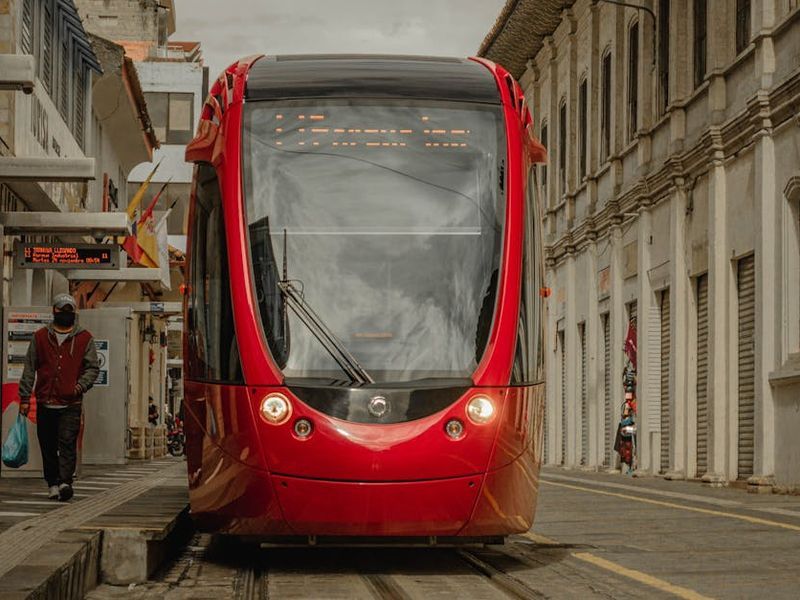
Cuenca’s tram system and bus network make it easy to get around the core of the city. Taxis are plentiful and inexpensive by U.S. standards—many expats rely on taxis or rideshare options for convenience. If you prefer freedom and plan day trips, owning a car is helpful; remember that roads in the Andes can be narrow and steep.
Tips for mobility:
- Learn to use the local bus routes and the tram; they are the most economical ways to get around.
- Keep cash handy for small purchases and market shopping—many vendors prefer it.
Language, Culture and Community Integration
Spanish will make daily life easier. Many locals in the service industry and some doctors speak English, but learning Spanish improves healthcare interactions, friendships, and bureaucratic navigation. Take classes, join conversation groups, and practice daily with neighbors and merchants.
Community is important—Cuenca boasts an active expat scene with clubs, volunteer opportunities and meetups. Attend events at cultural centers, museums and language schools to connect. Volunteering is a great way to meet Ecuadorians and learn more about local life.
Safety and Practical Concerns
Cuenca is generally safer than many larger cities, but petty theft and scams do occur. Standard precautions—locking doors, not flashing valuables, and being aware at night—keep risks low. Health-wise, consider the altitude (about 2,560 meters / 8,400 ft); new arrivals may need a few days to acclimate.
Other practical issues:
- Bureaucracy can be slow—expect wait times at government offices and plan accordingly.
- Inspect property titles and hire a lawyer for real estate transactions to avoid surprises.
- Internet and utilities are generally reliable in the city, though some outlying neighborhoods have less consistent service.
Entertainment, Travel and Lifestyle
Cuenca offers a rich cultural life—museums, theaters, weekly markets, artisan shops and festivals. The city is a great base for exploring southern Ecuador: cloud forests, archeological sites, and coastal escapes are all within reachable distance for weekend trips or longer adventures.
Tip: explore local markets for fresh produce and artisan goods; eating seasonally and shopping locally not only saves money but helps you connect with the culture.
Common Pitfalls and How to Avoid Them
New residents sometimes underestimate paperwork, overestimate how much Social Security will cover without budget adjustments, or fail to secure adequate health coverage. To avoid mistakes:
- Keep a buffer fund for unexpected medical bills or travel home.
- Double-check legal and financial requirements with professionals who regularly work with expats.
- Take time to learn Spanish and local norms to reduce misunderstandings and become part of the community.
Action Plan: 12-Month Timeline to Move
Here’s a compact timeline to keep your move on track:
- Months 12–9: Visit Cuenca for an extended trial. Research neighborhoods and healthcare providers.
- Months 9–6: Finalize financial plans, consult a tax professional, start visa paperwork and medical preparations.
- Months 6–3: Line up housing, notify Social Security of changes, set up means of transferring funds.
- Months 3–0: Apply for residency (if starting abroad), pack or sell belongings, confirm health insurance and travel plans.
Final Thoughts: Is Cuenca Right for You?
Cuenca is not a one-size-fits-all destination, but for many retirees on Social Security it offers a comfortable, culturally rich, and economically sensible option. Carefully plan your move, verify visa and financial requirements, and spend enough time in the city to find the neighborhood and lifestyle that fit you best. With the right preparation, retiring in Cuenca can mean a fulfilling, affordable chapter of life surrounded by history, friendly communities, and year-round spring-like weather.
Remember: laws and costs change. Use this guide as a starting point, and always check current regulations and get local professional advice for visas, taxes, and healthcare. Buen viaje—and enjoy exploring what Cuenca has to offer.