
Table of Contents
Welcome to Cuenca: A Snapshot for Newcomers
Cuenca, Ecuador’s charming southern highland city, greets first-time visitors with cobblestone streets, sky-blue cathedral domes, and a relaxed pace that makes it easy to fall in love. Perched at roughly 2,560 meters (about 8,400 feet), the city pairs crisp mountain air with warm, friendly hospitality. This guide gives you practical, day-one-ready advice so you can enjoy Cuenca without the rookie mistakes.
Quick Essentials Before You Fly
Before you arrive, make sure these basics are covered so your trip starts smoothly:
- Passport: valid for at least six months is ideal; check visa requirements for your nationality.
- Currency: Ecuador uses the US dollar — carry some small bills for markets and taxis.
- Power and plugs: Ecuador uses 110V with Type A/B plugs (same as the U.S.).
- Phone and data: buy a local SIM (Movistar, Claro) or set up international roaming; bring your passport for registration.
- Travel insurance: recommended, especially if you plan hikes or day trips to high-altitude areas.
Altitude and Health: How to Acclimatize
Cuenca sits high above sea level. Most visitors feel fine, but a few simple precautions make your first 48 hours more comfortable:
- Take it easy on your first day—skip strenuous hikes and heavy drinking.
- Hydrate frequently; the air is dry and you lose moisture faster.
- Eat light, starchy foods at first (soup, potatoes) and avoid overexertion.
- Acetazolamide (Diamox) can help prevent altitude sickness if you’re prone; consult your doctor before travel.
- Watch for headache, nausea, or shortness of breath — descend or seek medical attention if symptoms worsen.
Getting There: Airports and Overland Options
Cuenca’s Mariscal Lamar Airport (CUE) is a small, convenient gateway with flights from Quito and Guayaquil. If you fly in from Quito, expect about an hour-long domestic flight. From Guayaquil, the flight is even shorter.
If you prefer land travel, modern long-distance buses link Cuenca to Quito (7–9 hours) and Guayaquil (3–4 hours). Bus travel in Ecuador is inexpensive and comfortable if you pick a reputable company. For more independence, renting a car is possible — roads between the major cities are generally good, but expect winding mountain routes and occasional speed bumps through towns.
Where to Stay: Neighborhoods for First-Timers
Choosing the right neighborhood makes a big difference, especially on your first visit. Here are the most traveler-friendly options:
- Historic Center (around Parque Calderón): ideal for first-timers — walkable, with immediate access to the cathedral, museums, cafes, and restaurants.
- El Barranco: riverside charm, cobbled streets, and great views of the Tomebamba River; quieter in the evenings.
- Turi area: perched on a hill south of downtown; good if you want a view (Mirador de Turi) and easy day trips to surrounding areas.
- San Sebastián and local residential neighborhoods: more local life and slightly lower prices, but a short taxi ride to the center.
Must-See Sights and Neighborhood Walks
Cuenca’s compact center makes it a fantastic walking city. Don’t rush through these highlights:
Parque Calderón and the Cathedral
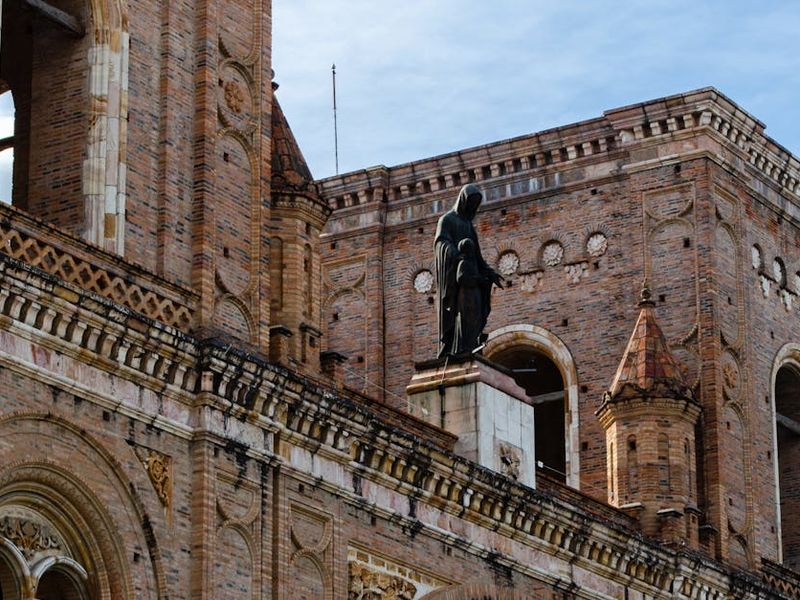
The heart of the city, Parque Calderón, is a lively square flanked by the impressive New Cathedral with its distinctive azure domes. Grab a seat on a bench, sip coffee, and watch locals go by.
Museo Pumapungo
This museum blends ethnography, archaeology, and a small archaeological park with Inca and pre-Inca ruins. It’s a perfect cultural primer and less crowded than many tourist museums.
El Barranco and the Tomebamba River
Walk paths along the river, admire colonial buildings perched on the cliffs, and explore small artisan shops tucked into the neighborhood’s alleys.
Mirador de Turi
A short taxi ride up to Turi rewards you with a panoramic view of Cuenca’s red roofs and valleys — particularly stunning at sunset.
Markets, Shopping, and Local Crafts
Cuenca shines for artisanship. Take time to wander markets and shops where you can buy handwoven textiles, silver jewelry, ceramics, and of course, Panama hats (which are actually Ecuadorian).
- Look for well-made straw hats — the finest have tight, even weaves and feel almost like fabric when rolled.
- Ask about fiber count or watch how the weaver works; local stores near the central plazas often allow quick tours or demonstrations.
- For textiles and jewelry, check authenticity and negotiate politely for souvenirs at markets; fixed prices are more common in boutiques.
Eating and Drinking: Dishes to Try
The food scene blends traditional Ecuadorian dishes with international influences. First-timers should sample a few local specialties:
- Locro de papa: a comforting potato-and-cheese soup — a perfect highland meal.
- Cuy (guinea pig): considered a delicacy — roasted and served in many traditional restaurants.
- Hornado: slow-roasted pork, commonly served with hominy or potatoes.
- Fresh fruit juices and local coffee: the Highlands produce excellent coffee — try it at a local café.
If you’re a cautious eater, stick to cooked foods, bottled water if your stomach is sensitive, and busy places where turnover is high (a good sign for food freshness).
Practical Transport Tips Inside the City
Getting around Cuenca is simple if you know a few local details:
- Taxis are inexpensive. Ask the driver to use the meter or agree on a fare before getting in. Use official taxis or call a radio taxi for peace of mind.
- Buses are the cheapest option and cover the city well; they can be crowded and less comfortable with luggage.
- Walking is often the best way to explore the historic center, but bring good shoes for uneven cobblestones.
Day Trips Worth Planning
Cuenca is an excellent base for memorable excursions. These popular options are easy to arrange through local tour operators or with a private driver:
El Cajas National Park
Only 30–40 kilometers from the city, El Cajas is a high-altitude reserve of glacial lakes and páramo. Bring warm clothing, waterproof layers, and sturdy footwear. Even short hikes reveal dramatic landscapes and lake reflections.
Ingapirca Ruins
The largest Inca complex in Ecuador, Ingapirca, is reachable in a few hours and offers insight into the Inca and Cañari cultures. Guided tours provide context and a richer visit.
Nearby villages and coffee farms
Explore local villages to see artisanal weaving, visit a coffee finca, or tour a hat workshop to learn how those famous woven hats are made.
Safety and Common Sense Precautions
Cuenca is often ranked among the safer cities in Ecuador, but petty crimes like pickpocketing still occur. Keep these precautions in mind:
- Carry a copy of your passport and keep the original in a safe at your hotel.
- Use ATMs inside banks or malls; avoid isolated ATM machines at night.
- Keep valuables out of sight; use a money belt or a theft-resistant bag for crowded markets.
- At night, prefer a trusted taxi to walking long distances alone.
Money, Tipping, and Budgeting
Ecuador’s use of the US dollar simplifies budgeting. Here are a few helpful notes:
- Carry small bills for markets, taxis, and tips.
- Tipping isn’t mandatory but appreciated — around 10% in restaurants if service isn’t included, and small tips for porters or guides.
- Credit cards are widely accepted in hotels, restaurants, and larger shops, but always carry cash for smaller purchases.
Cultural Etiquette and Language Tips
Spanish is the primary language in Cuenca, though you’ll find English speakers in hotels and tourist services. A few polite phrases go a long way:
- Hola / Buenos días — hello / good morning
- Por favor / Gracias — please / thank you
- ¿Cuánto cuesta? — how much does it cost?
Greet people with a handshake or a single cheek kiss among acquaintances. Use formal titles (señor, señora) with older people or in formal situations. Dress modestly when entering churches, and be respectful during religious or community events.
Packing Checklist for Cuenca
Layers are key: mornings can be cool, midday pleasantly warm, and afternoons sometimes rainy. Here’s a quick checklist to avoid surprises:
- Light jacket and warm layer (fleece or sweater)
- Waterproof shell or umbrella — afternoon showers are common
- Comfortable walking shoes with good grip for cobblestones
- Sunglasses and sunscreen — the sun is strong at altitude
- Reusable water bottle, camera, and travel adapter
Healthcare and Pharmacies
Cuenca has reputable clinics and hospitals (both public and private) that can handle most travel-related issues. Pharmacies are plentiful; many medications available over the counter require a prescription in your home country but can often be obtained locally. If you rely on specific medications, bring enough for the duration of your trip plus copies of prescriptions.
Final Tips and a Simple 48-Hour Itinerary
To make the most of your first visit without overwhelming yourself, try this easy 48-hour plan:
- Day 1 morning: Arrive, check in, walk around Parque Calderón, have a light lunch and coffee.
- Day 1 afternoon: Visit Museo Pumapungo and stroll along the Tomebamba River into El Barranco.
- Day 1 evening: Enjoy dinner in the historic center and soak in the cathedral views.
- Day 2 morning: Day trip to El Cajas or Ingapirca (choose one) — pack layers and snacks.
- Day 2 afternoon/evening: Return, shop for a Panama hat or souvenirs, and finish with a relaxed riverside meal.
Cuenca is a city that rewards slow travel: the more you linger, the more of its rhythms and hidden corners you’ll discover. With your passport, layers, small bills, and a sense of curiosity, you’ll be well-equipped to enjoy your first time in this beautiful Andean city.
Buen viaje — enjoy your time in Cuenca!