
Table of Contents
Why the Southern Highlands Deserve Your Time
Ecuador’s Southern Highlands blend colonial streets, Andean peaks, cloud-forest biodiversity and a relaxed pace that appeals to short-term visitors and long-term residents alike. From the blue-domed skyline of Cuenca to Loja’s music-filled plazas and Vilcabamba’s mellow valley lifestyle, this region offers a compact circuit of culture, nature and expat-friendly amenities.
Overview: Altitude, Climate and Getting Around
The three towns span distinct altitudes and microclimates: Cuenca sits at roughly 2,560 m (8,400 ft), Loja at about 2,060 m (6,800 ft) and Vilcabamba down in a warmer valley near 1,500 m (4,900 ft). That drop in elevation explains the variation in temperature and vegetation—you can go from crisp mountain air to near-tropical warmth within a few hours.
The dry season generally runs June–September with the clearest skies; the wetter months are often from October through May. Pack layers and a reliable rain jacket, because afternoons can surprise you with showers even in the dry season.
Getting between cities is straightforward by interprovincial buses or private transport. Typical travel times: Cuenca–Loja about 3–4 hours by bus; Loja–Vilcabamba around 40–60 minutes. Private drivers or shuttle services speed up the route and are useful if you’re carrying luggage or want flexibility for stops en route.
Cuenca: Colonial Charm, Artisanal Markets and Strong Expat Presence
Cuenca is the region’s cultural and service hub. Its UNESCO-listed historic center centers around Parque Calderón, where the blue-tiled domes of the New Cathedral dominate the skyline. Stroll along the Tomebamba river, cross stone bridges, and discover artisan shops and cafés that make wandering the old quarter a joy.
Practical tips for Cuenca: stay near the historic center if you want walkability to restaurants, markets and museums; budget-friendlier long-term rentals are available a short taxi ride away. Expect monthly rental ranges from modest apartments in the $300–700 range to larger modern units for $700–1,200 depending on location and amenities.
Healthcare in Cuenca is a major draw for expats — several private clinics and hospitals offer quality care at lower costs than in many North American and European cities. Pharmacies are plentiful, and many staff speak enough English to assist visitors. ATMs and international banks are concentrated downtown, and most restaurants accept cards (cash remains handy for markets and small vendors).
Must-See Day Trips from Cuenca
- Cajas National Park: High-altitude lakes, hiking trails and páramo landscapes—great for a day of photography and brisk hiking (bring warm layers).
- Ingapirca: Ecuador’s largest Inca-Cañari archaeological site, with intriguing stonework and a small museum.
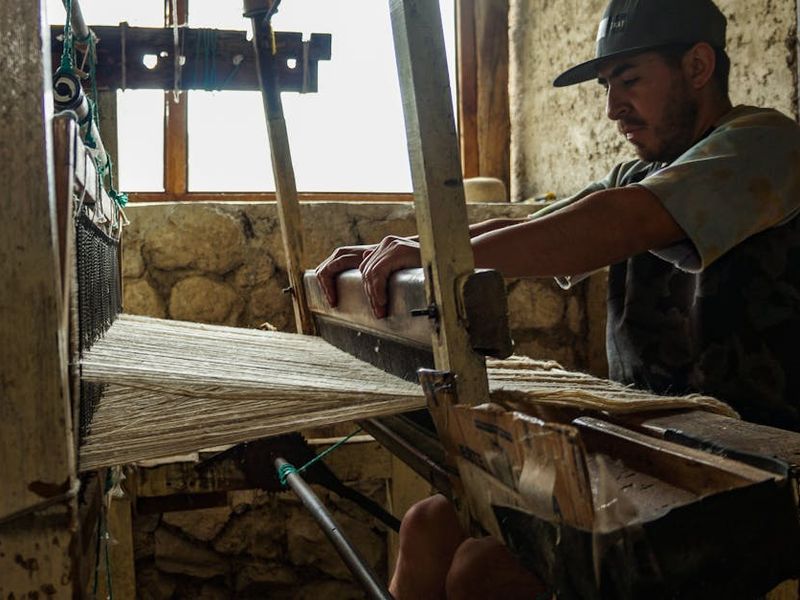
- Nearby craft towns: Gualaceo and Chordeleg are famous for textiles and silverwork—perfect for sourcing local handicrafts.
Loja: A Cultural Heartland with Access to Cloud Forests
South of Cuenca, Loja is less touristy but loved for its music, cultural festivals and mellow city rhythm. It’s known as a musical capital—local conservatories and frequent performances make evenings lively. Loja’s parks and tree-lined avenues invite relaxed exploration, while nearby Podocarpus National Park hosts dramatic biodiversity worth a longer visit if you like birding or cloud-forest hikes.
For practical visitors, Loja has a compact center with markets, cafés and comfortable hotels. Medical services are available though more limited than Cuenca; for serious care people often travel to Cuenca or use private clinics in Loja. Buses and shared taxis connect Loja to Vilcabamba and regional destinations frequently throughout the day.
Outdoor Adventures Around Loja
- Podocarpus National Park: One of Ecuador’s richest parks for birdlife and orchids; expect cool, misty trails.
- Local waterfalls and day hikes: The surrounding valleys have accessible trails and cascading streams; guide services enhance safety and local knowledge.
Vilcabamba: Valley of Relaxation (and the Longevity Myth)
Vilcabamba is a small town in a warm valley known for its relaxed lifestyle and reputation as a place where many residents live to an old age. Whether or not you buy the longevity stories, Vilcabamba offers a slower pace, outdoor activities and an international community of retirees and wellness enthusiasts.
Accommodations range from backpacker hostels to boutique guesthouses and rental homes. The town’s central plaza is compact and easy to navigate on foot. Dining options are international as well as Ecuadorian; expect simple grocery options in town and larger supermarkets in Loja for more extensive shopping.
What to Do in Vilcabamba
- Hiking the surrounding ridgelines: Trails vary from short walks to full-day treks with rewarding valley views.
- Waterfalls and natural pools: Local guides can take you to less-crowded swimming spots.
- Wellness offerings: yoga, massage and alternative health practitioners are common in town.
Suggested Itineraries: 7 to 14 Days in the Southern Highlands
7-day option: Spend 3 full days in Cuenca (historic center, Cajas, Ingapirca), travel to Loja for 2 days (city and Podocarpus day trip), then 2 days in Vilcabamba relaxing and hiking.
10–14 day option: Add slow travel days—staying longer in each town to explore markets, meet locals and take additional day trips (craft towns from Cuenca, waterfalls near Loja, horseback rides around Vilcabamba). This length gives you time to adapt to altitude and reduce travel fatigue.
Food, Markets and Local Flavors
The Southern Highlands serve classic Andean fare. In Cuenca, try cuy (guinea pig) at a traditional lunch spot if you’re adventurous; hornado (slow-roasted pork) and hearty soups like locro are regional favorites. Street markets brim with fresh produce, cheeses, and snacks—Mercado 10 de Agosto in Cuenca is lively and authentic for tasting local foods.
Don’t miss helado de paila, hand-churned sorbet traditionally made in metal pans—an iconic sweet treat. Coffee culture is strong in the region, with local roasters and cozy cafés popping up in Cuenca and Loja.
Practical Travel Tips and Safety
- Currency: Ecuador uses the US dollar. Carry small bills for markets; ATMs are common in cities.
- Language: Spanish is dominant. English is increasingly available in tourist areas of Cuenca and Vilcabamba, but a few phrases in Spanish go a long way.
- Safety: The region is relatively safe—use normal precautions: watch belongings in crowded markets, avoid poorly lit streets at night, and use official taxis or reputable ride services.
- Altitude: Give yourself a day or two in Cuenca to acclimatize. Drink water, eat light meals, and consider over-the-counter remedies if you feel mild symptoms; for prolonged issues seek medical help.
- Connectivity: Wi‑Fi is widespread in Cuenca and Loja; expect weaker signals in rural parks and the more remote corners of Vilcabamba.
Costs and Living as an Expat
Many retirees and long-term visitors choose the Southern Highlands for affordable living and quality services. A modest lifestyle in Cuenca might cost $1,000–1,500 per month (rent, utilities, groceries and leisure), while Vilcabamba can be cheaper for rent but may require travel to Loja or Cuenca for specialized services. Always account for health insurance, occasional international travel, and activities like guided treks or specialty treatments.
When renting, insist on written agreements, check utilities and maintenance responsibilities, and ask neighbors or local expat groups about reliable landlords and service providers.
Responsible Travel and Cultural Etiquette
Respect local customs—greet shopkeepers and neighbors with a polite “buenos días” or “buenas tardes”. When visiting markets and artisan shops, bargaining is normal for some vendors but not for fixed-price stores. If you hire local guides, tip appropriately and consider sustainability: many attractions depend on community-managed tourism, so choose operators that work with local communities.
Packing Checklist for the Southern Highlands
- Layered clothing for temperature swings (thermal base layer, fleece, waterproof jacket).
- Comfortable walking shoes and boots if you plan on hiking.
- Sunscreen and a wide-brimmed hat—high-altitude sun is intense.
- Medication for altitude sensitivity (consult a doctor before travel) and basic first-aid supplies.
- Reusable water bottle and water purification tablets if you plan remote trekking.
- Portable charger, power adapter and copies of important documents.
Final Tips: Make Time to Slow Down
The Southern Highlands reward a slower approach—linger over coffee in Cuenca’s plazas, listen to an evening concert in Loja, and watch a Vilcabamba sunset from a ridge trail. Whether you’re planning a short get-away, a cultural immersion or a long-term relocation, this compact region offers an accessible blend of nature, culture and convenience that makes exploration easy and richly rewarding.
Start with an open itinerary, leave space for unexpected discoveries, and you’ll find that Cuenca, Loja and Vilcabamba reveal layers of discovery—architecture, music, biodiversity and warm local encounters—that capture the heart of Ecuador’s highland spirit.