
Table of Contents
Why Cuenca’s Historic Center Deserves a Spot on Your Travel List
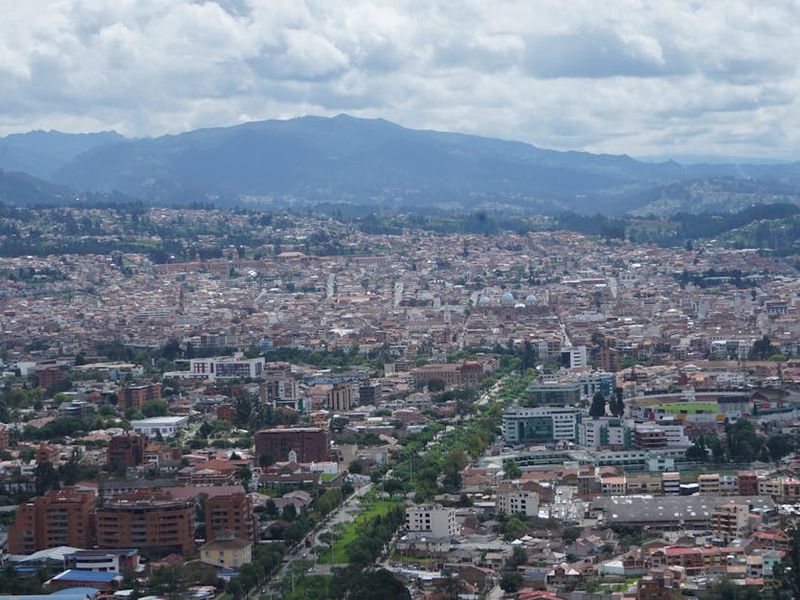
Cuenca’s historic center, officially recognized by UNESCO, is one of the most complete and well-preserved colonial centers in South America. The city combines Spanish urban planning with Andean influences, producing a landscape of red-tile roofs, wrought-iron balconies, elegant churches, and narrow cobblestone streets that reward slow walking and close observation. Whether you’re an architecture buff, history lover, photographer, or an expat exploring Ecuador, Cuenca’s architectural fabric tells stories from the pre-Columbian era to the colonial and republican periods.
Getting Oriented: The Shape of the Historic Centre
The historic center is compact and highly walkable. At its core lies Parque Calderón, the main square, flanked by the city’s most iconic buildings. Radiating out from there are grid-like streets—an imprint of Spanish colonial planning—interspersed with green plazas, riverfront walks along the Río Tomebamba, and the dramatic cliffs known as the Barranco. This concentration of well-preserved structures is a major reason UNESCO inscribed the area: its continuity and legibility as a living urban ensemble.
Must-See Architectural Highlights
Start with the landmarks, but also leave space for smaller discoveries—ornate door knockers, carved balconies, and hidden courtyards.
Parque Calderón and the Main Cathedral
The heart of the city, Parque Calderón, is the ideal starting point. Its manicured lawns and statues create a perfect frame for the cathedral complex. The most instantly recognizable structure is the New Cathedral (Catedral de la Inmaculada Concepción) with its striking blue-tiled domes that catch sunlight and draw photographers. Nearby, the older cathedral building provides a contrast—its smaller scale and different interior style remind you of the layering of eras in Cuenca.
Museums in Old Colonial Structures
Cuenca’s museums are often housed in restored colonial buildings, making a museum visit doubly rewarding. Casa del Alabado is a beautifully converted colonial house that now displays pre-Columbian art, a reminder of the deep cultural roots beneath the colonial city. Museo Pumapungo sits on an archaeological site and includes ethnographic displays and Inca ruins embedded in an urban setting—one of the few places where you can see indigenous and colonial histories juxtaposed so clearly.
The Barranco and Tomebamba Riverfront
One of Cuenca’s most photogenic zones is the Barranco, a dramatic riverside gorge lined with colonial homes that seem to cling to the cliff. Walking along the Río Tomebamba offers a constantly shifting view of tiled roofs, colorful facades, and arched stone bridges. This riverside promenade is a good place to witness how the city integrates natural topography into its urban layout.
Architectural Styles and What to Look For
Cuenca’s buildings display a mix of Spanish colonial, baroque details, neoclassical façades, and later 19th-century influences. When you walk, pay attention to:
- Balconies – Many are carved wood or wrought iron and often designed to provide shade and privacy while allowing airflow.
- Doors and knockers – Heavily carved wooden doors and ornate knockers show the status and craftsmanship of colonial households.
- Courtyards (patios) – Traditional houses are organized around inner courtyards that bring light and ventilation into dense urban blocks.
- Rooflines and tiles – Red clay tiles are ubiquitous; look for subtle changes in roof shape that mark different historical periods.
Perfect Walking Route: A Half-Day Architectural Loop
This walking loop centers on the most rewarding visual and historical points while leaving time for cafes and museum stops.
- Begin at Parque Calderón. Take in the cathedral façades from different angles and visit the cathedral interior if services aren’t in session.
- Stroll down to the Río Tomebamba and walk the riverfront path toward the Barranco. Cross the charming pedestrian bridges for framed views of rooftops.
- Arrive at Museo Pumapungo—spend an hour exploring its gardens, archaeological features, and ethnographic displays.
- Head up into the Barranco and wander side streets to see homes with carved balconies and hidden courtyards. Pause at a café for a traditional hornado sandwich or a tinto (coffee).
- Make your way back through colonial streets to Casa del Alabado and then finish the loop at Parque Calderón with a rooftop bar view or an ice cream from a nearby vendor.
Best Times to Visit and Lighting Tips for Photographers
Cuenca’s climate is temperate and can be variable; layers are essential. The dry season (roughly June–September) has more stable skies, making it a popular time for photography. For architectural shots:
- Shoot in the morning or late afternoon for warm, directional light that highlights textures in stone and wood.
- Golden hour over Parque Calderón is particularly rewarding—domes and facades glow and shadows add depth.
- Overcast days are actually excellent for detail shots since diffuse light reduces harsh contrast and brings out carvings and colors.
- Bring a wide-angle lens for interior shots in museums or tight courtyard spaces, and a medium telephoto for picking out balcony details from the riverwalk.
Practical Tips: Getting Around, Safety, and Accessibility
Cuenca’s center is compact and mostly pedestrian-friendly, but cobblestones and modest slopes mean comfortable shoes are a must. Here are practical tips to make your architectural exploration smoother:
- Transport: Taxis are plentiful and inexpensive for short hops. The historic center is best experienced on foot; consider taking taxis for distant neighborhoods or for returning up to Turi viewpoint.
- Altitude: Cuenca sits around 2,500–2,600 meters above sea level. Most visitors acclimatize quickly, but take it easy your first day, drink water, and avoid heavy exertion if you’re sensitive to altitude.
- Accessibility: Many historic buildings have stairs and uneven floors. Museums increasingly offer accessibility options, but check ahead for ramps and elevator availability if mobility is a concern.
- Safety: Cuenca is generally safe for tourists if you follow normal urban precautions—watch your belongings, avoid empty side streets after dark, and carry a copy of your ID rather than the original.
Where to Eat and Stop for a Break Between Sites
Exploring architecture builds an appetite. The historic center has a lively mix of traditional eateries and modern cafés that are perfect for downtime between visits.
- Try local specialties like cuy (guinea pig) at a traditional restaurant, or more everyday choices like seco de chivo and hornado.
- Markets near the center offer affordable meals and a chance to observe daily life—great for candid street photography and people-watching.
- For a quick coffee and pastry, seek out small patisseries along the main streets. Rooftop cafes around Parque Calderón provide both refreshments and skyline views.
Responsible Tourism and Cultural Respect
Cuenca’s UNESCO designation brings attention and visitors, which can put pressure on historic neighborhoods. Help preserve the city by following simple guidelines:
- Stay on marked paths and avoid climbing on fragile architectural elements.
- Ask permission before photographing people in markets or religious ceremonies.
- Support local conservation by visiting small museums and buying crafts directly from artisans when possible.
- Respect quiet hours around residential areas—many colonial houses are still lived in by local families.
Hidden Gems and Lesser-Known Architectural Delights
Beyond the main attractions, Cuenca has smaller treasures that reveal intimate aspects of its built environment:
- Small colonial chapels tucked into side streets with simple altars and local devotional art.
- Former convents and monasteries that have been converted into cultural centers—these often offer peaceful cloistered courtyards open to the public.
- Neighborhoods slightly off the tourist track where working-class architecture shows how ordinary residents adapted colonial housing to modern life.
When to Move On: Neighborhoods Worth a Longer Visit
If you have extra time, several areas around the historic center reward a deeper look. Turi provides panoramic viewpoints, especially at sunset; the area around Mercado 9 de Octubre is vibrant and authentic, offering insight into local markets and food culture; and the southern neighborhoods contain striking examples of republican-era architecture and artisan workshops.
Final Practical Checklist Before You Go
Prepare for your architectural tour with this quick checklist:
- Comfortable walking shoes and a light rain jacket (Cuenca’s weather can change quickly).
- Camera with spare battery, or phone and portable charger.
- Cash for small museum fees, markets, and tips—many places accept cards but small vendors often prefer cash.
- A reusable water bottle and sun protection—sun at altitude can be strong even on cool days.
- Respectful clothing for church interiors (shoulders covered, no hats during services).
Conclusion: Why Slow Travel Works Best in Cuenca
Cuenca rewards a slow, curious approach. Its UNESCO-listed center is not a single monument but a living city where architecture is woven into daily life. Take the time to linger in plazas, examine carved details, join a museum tour, and talk to locals. The more you slow down, the more the layers of history—indigenous, colonial, republican—reveal themselves. For anyone seeking to understand Ecuador through built space, Cuenca’s historic center is an essential, beautiful classroom.