
Table of Contents
Why Cuenca is a Food Destination (Even if You Didn’t Know)
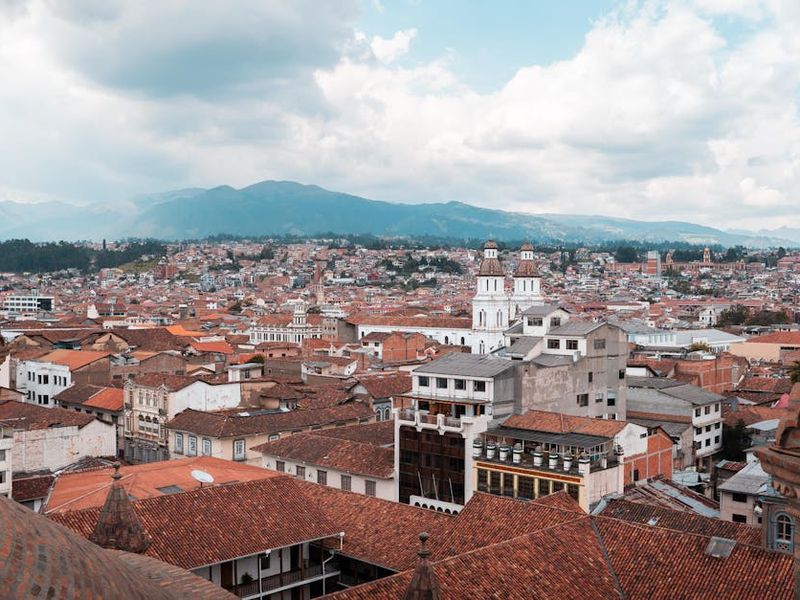
Cuenca’s food scene is a delightful mix of highland traditions, immigrant influences, and an energetic wave of chefs reinventing local ingredients. Tucked into a UNESCO-listed historic center with riverside barrios and a dense network of markets, the city offers everything from inexpensive home-style almuerzos (lunch specials) to inventive tasting menus. Whether you’re a budget traveler, a vegetarian, or a committed foodie, Cuenca has flavors to explore.
How to Navigate Eating in Cuenca: Practical Tips
Before diving into neighborhood recommendations, keep a few practical tips in mind. Ecuador uses the U.S. dollar, so most menus list familiar prices. Many small restaurants accept cash only, though cards are increasingly common in mid-range and upscale places. Tipping is appreciated—10% is standard if service isn’t included. Typical mealtimes are similar to many Latin American cities: breakfast from 7–10 a.m., almuerzo (a set lunch) roughly 12–3 p.m., and dinner after 6:30–7:30 p.m.
If you plan to dine in popular spots (rooftops, fine dining, or weekend brunches), book ahead—weekend evenings fill up fast. Walking through the historic center and the riverside Barranco is one of the easiest ways to find a good place spontaneously. Taxis are inexpensive for longer hops, and many neighborhoods are bike-friendly for short rides.
Neighborhood Guide: Where to Eat by Area
Centro Histórico (Parque Calderón and surroundings)
The heart of Cuenca offers a mix: small cafés, traditional markets, and a handful of chef-driven restaurants. Around Parque Calderón you’ll find classic bakeries selling corn-based pastries and hornado sandwiches, as well as several family-style restaurants offering menu del día—an affordable three-course lunch that typically includes soup, a main, and a drink.
Barranco and the Tomebamba River
Barranco is picturesque and perfect for diners who want riverside views. You’ll discover intimate bistros, rooftop terraces, and dessert shops ideal for a relaxed evening. This neighborhood is a favorite for romantic dinners and offers several fusion kitchens blending Andean staples with international techniques.
San Sebastián and La Tola
These adjacent neighborhoods host small, creative dining spots and hip cafés where expats and locals mingle. Expect specialty coffee, vegan and vegetarian choices, and chef-run tasting menus that focus on seasonal produce sourced from the nearby highlands.
Markets and Neighborhood Food Stalls
For authentic, budget-friendly meals, head to the central markets and neighborhood stalls. The Mercado Central (often referred to by locals by its street name) is where you’ll find hearty soups, grilled meats, and a lively lunchtime crowd—great for people-watching and getting a taste of daily Cuenca life.
Must-Try Dishes and Where to Find Them
Some Ecuadorian dishes are ubiquitous in Cuenca, but regional touches give them a local twist. Here’s what to order and where you’re most likely to have an excellent version.
- Llapingachos: Fried potato patties stuffed with cheese served with chorizo, fried egg, and avocado—find them in traditional family restaurants and market stalls.
- Locro de Papa: A creamy potato and cheese soup often garnished with avocado—perfect for cooler Andean evenings and available at many breakfast and lunch spots.
- Hornado: Slow-roasted pork, typically served with mote (hominy) and salad—look for specialty restaurants that roast their own pork for the best flavor.
- Cuy: Guinea pig, an iconic Andean delicacy—offered in some traditional restaurants for adventurous eaters; ask about preparation styles (roasted or fried).
- Ceviche: While more coastal, Cuenca’s ceviche is often braced with Andean touches—head to seafood-focused spots for the freshest versions.
- Empanadas de viento: Puffy cheese empanadas with sugar dusting—popular as a snack, especially with locally brewed coffee.
Street Food and Market Stalls: Budget-Friendly and Flavorful
Street food in Cuenca is safe, flavorful, and affordable. Breakfast on the go might include tamales or fresh bread from a panadería. For lunch, a small comida stall can serve an almuerzo for a few dollars that includes soup and a hearty second course. Markets are also where you can try fresh fruit juices, handmade sweets, and regional cheeses.
When sampling street food, pick stalls with a steady local crowd—this usually means the food is fresh and turnover is fast. Carry small change in cash and bring wet wipes; many stalls won’t have running water for handwashing.
Cafés, Bakeries, and Sweet Treats
Cuenca’s café culture is flourishing. Local coffee roasters source beans from nearby provinces, resulting in robust espresso and single-origin filter coffees. Breakfast is often a leisurely affair with freshly baked bread, local jam, or bolón (plantain and cheese mash).
Don’t miss the artisan chocolatiers and heladerías (ice cream shops) downtown—Ecuador’s cacao heritage means the chocolate is top-notch, often paired with local fruits like uvilla or naranjilla. For late afternoon indulgence, order a slice of tres leches cake or a traditional flan at a café with outdoor seating.
Vegetarian, Vegan, and Allergy-Friendly Options
While traditional highland food relies heavily on meat and dairy, Cuenca’s international community has driven a rise in vegetarian and vegan offerings. Look for vegetarian bistros in San Sebastián and La Tola, and ask about milk alternatives at coffee shops. Many mid-range restaurants will adapt dishes for allergies—just be clear about what you can’t eat; English is widely spoken in tourist-focused spots, though having your allergy written in Spanish on a phone note helps.
Fine Dining and Chef-Driven Experiences
For a more curated meal, Cuenca has a handful of restaurants where chefs focus on local ingredients with global techniques. These venues often offer tasting menus that change seasonally and showcase highland vegetables, heirloom corn, and locally raised meats. Expect reservations, a higher price point, and wine pairings (often with imported wines as Ecuador’s wine industry is limited).
Many fine-dining spots are small—some seat fewer than 30 people—so booking in advance is essential, especially on weekends or during festivals when visitors flock to the city.
Local Drinks: Coffee, Beer, and Traditional Libations
Cuenca’s coffee scene is a highlight—seek out roasteries and cafes that specify the origin of their beans (e.g., Loja, Loja and Zamora are common nearby coffee regions). For something local, try a glass of freshly made mora (blackberry) juice or an artisanal fruit refresco.
If you enjoy beer, there’s a small but growing craft beer community in the city. You’ll find IPAs, dark lagers, and seasonal brews at certain bars and restaurants—perfect for pairing with grilled meats or spicy dishes. For a traditional twist, try colada morada (a spiced fruit drink) during seasonal celebrations, if your visit coincides.
Hidden Gems: Lesser-Known Spots Locals Love
Beyond guidebook favorites, spend an afternoon exploring neighborhoods off the main tourist track. Small family-run restaurants often serve the most authentic dishes at the best prices—look for handwritten menus or chalkboard specials. Riverside cafes in lesser-trafficked stretches of the Tomebamba offer peaceful views and homemade desserts.
For specialty ingredients, visit small grocery shops that stock local cheeses, smoked meats, and preserves—great for putting together a picnic to enjoy in one of Cuenca’s many parks.
Food Tours, Cooking Classes, and Experiential Dining
If you want to learn beyond eating, consider joining a food tour or taking a cooking class. Food tours are a great introduction to markets, street stalls, and a few sit-down restaurants, with the guide explaining ingredients and culinary history. Cooking classes often include a market visit to buy ingredients, then hands-on preparation of soups, mains, and desserts—fantastic for travelers who want recipes to recreate at home.
Seasonal Considerations and Festival Food
Seasonality affects both ingredients and prices. Rainy months may change what’s available at markets, while festival periods bring special dishes and longer opening hours. If you’re visiting during a local fiesta, sample the seasonal specialties—vendors often set up temporary stalls with regional treats you won’t find year-round.
Sample One-Day Eating Itinerary in Cuenca
To help plan, here’s a one-day sample itinerary that balances markets, cafés, and a special dinner:
- Breakfast: Start at a neighborhood panadería with strong coffee and a freshly baked bread roll or a tamal.
- Mid-morning: Walk to the Mercado Central to taste a fruit juice and sample small snacks like empanadas or mote con chicharrón.
- Lunch: Enjoy an almuerzo at a local comedor—soup, main (llapingachos or hornado), and a drink for an affordable price.
- Afternoon: Spend time in a riverside café in Barranco for coffee and dessert while watching life on the Tomebamba.
- Dinner: Reserve a table at a chef-driven restaurant or a rooftop venue for a longer meal—start with a local appetizer and finish with a chocolate-based dessert or Ecuadorian cheese plate.
Safety, Etiquette, and Final Notes
Eating out in Cuenca is generally safe. Standard precautions—watch your belongings in crowded markets, choose busy food stalls with high turnover, and drink bottled water if you’re cautious—will keep your trip smooth. Respect local dining etiquette: dress is casual but neat, and it’s polite to greet servers and fellow diners with a smile.
Finally, keep an open mind. Some dishes may be unfamiliar, but most vendors and servers are delighted to explain ingredients and preparation. Share a table with locals, ask for recommendations, and let your curiosity lead—you’ll discover that Cuenca’s culinary charm is often found in small places and simple plates.
Ready to Eat Your Way Through Cuenca?
Whether you’re after traditional highland flavors, artisan chocolate, or inventive modern cuisine, Cuenca has an approachable, exciting food scene. Use neighborhoods as your map, markets as your classroom, and chef-driven spots as inspiration. With affordable options and memorable meals around nearly every corner, Cuenca is a city that rewards adventurous eaters.