
Table of Contents
Why the Southern Highlands Deserve a Spot on Your Ecuador Itinerary
Ecuador’s Southern Highlands combine colonial charm, cloud-forest biodiversity and a relaxed pace that draws travelers and long-term residents alike. Cuenca enchants with a UNESCO-listed historic center and modern conveniences, Loja pulses with music and cultural life, and Vilcabamba seduces visitors with mild weather and a retirees’ friendly vibe. This guide walks you through practical travel advice, local highlights, and expat-focused information so you can get the most from this corner of Ecuador.
Quick Orientation: Altitude, Climate & When to Visit
Altitudes vary significantly across the region and affect weather and how you feel. Cuenca sits at about 2,560 meters (8,400 ft) with crisp, spring-like weather year-round; Loja is lower at roughly 2,050 meters (6,700 ft); and Vilcabamba lies in a warmer valley around 1,500–1,700 meters (4,900–5,600 ft).
The highland rainy season typically runs from October through May, with the driest stretch in June–August. That said, the microclimates are real: Vilcabamba’s valley is noticeably warmer and drier than Cuenca’s river-lined center. Pack layers, a light rain jacket and good walking shoes no matter the season.
Getting There & Getting Around
Fly or Bus?
Major international arrivals are usually Quito or Guayaquil. From those hubs you can fly to Cuenca’s Mariscal La Mar Airport (CUE); flights are short and inexpensive if booked ahead. Loja is served by a smaller airport near Catamayo (often listed as Loja/Catamayo) with limited flights. Buses are frequent, comfortable and economical — Cuenca to Loja by express bus takes approximately 3.5–5 hours depending on the service and road conditions.
Local Transport
Inside the cities, taxis are abundant and affordable (always use official taxis with meters when possible). Cuenca’s historic center is highly walkable and enjoyable on foot. For Vilcabamba and rural day trips, hire a taxi for a half-day or use inter-village buses (colectivos) for the budget-conscious — schedules can be irregular, so ask locals for current times.
Where to Stay: Neighborhoods & Accommodation Tips
Cuenca
Cuenca’s Centro Histórico is the heart of activity: cobblestone streets, blue-domed cathedral views and abundant cafés. For more local flavor while staying close to amenities, explore the artisan-filled San Sebastián neighborhood, known for ceramic studios and weekend craft markets. If you prefer quieter residential blocks, look north toward Yanuncay or up-valley neighborhoods where apartments are modern and rents can be lower.
Loja & Vilcabamba
Loja’s center keeps you close to cultural venues and weekly markets. In Vilcabamba many visitors choose to stay in small guesthouses or ecolodges that emphasize outdoor access and tranquility; rentals range from rustic cabins to contemporary villas. Long-term renters often find inexpensive furnished apartments in both towns if they shop local listings and use expat community groups.
Top Things to See & Do
Cuenca Highlights
- Parque Calderón and the New Cathedral: The plaza is the social center; climb viewpoints for sweeping city panoramas and get a close look at the cathedral’s sky-blue domes.
- Museo Pumapungo: An excellent anthropological museum with archaeological remains, indigenous exhibits and a lush ethnobotanical garden.
- Tomebamba River Walks: Stroll along the riverside terraces for peaceful city views and artisan stalls.
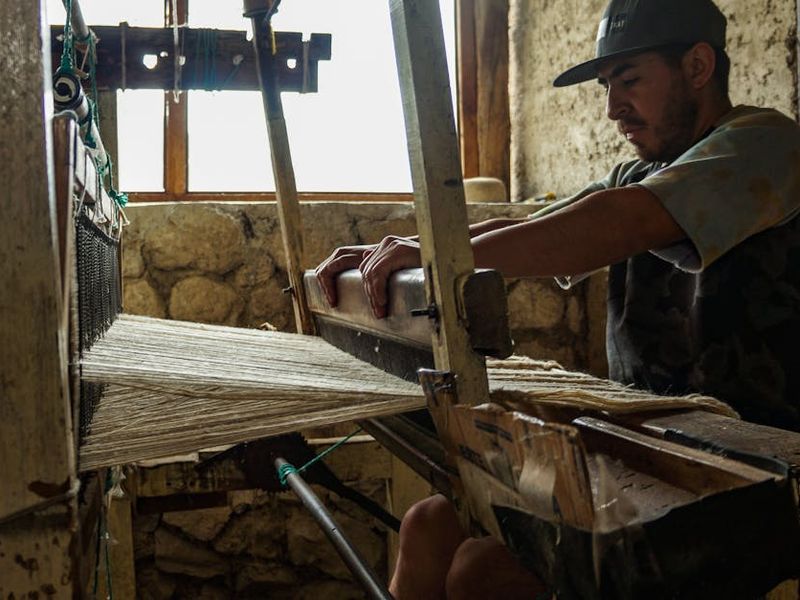
- El Centro Artisan Quarter (San Sebastián): Pottery workshops, weaving studios and small cafés make this a favorite for craftsmen and shoppers.
Loja & Vilcabamba Must-Dos
- Loja’s Musical Scene: Known as Ecuador’s musical city, look for live concerts and performances hosted by local conservatories and cultural centers.
- Podocarpus & Cloud Forest Trails: Near Loja, Podocarpus National Park is a biodiversity hotspot and great for birdwatching and hiking.
- Vilcabamba’s Valley Treks: The town is a base for easy day hikes to waterfalls, ridgelines and scenic viewpoints; its mild climate makes outdoor activity pleasant almost year-round.
- Saraguro Cultural Visits: On the route between Cuenca and Loja, stop in Saraguro to observe traditional dress, textiles and indigenous community life.
Food, Markets & Local Flavors
The Southern Highlands offer a mix of highland and coastal culinary influences. In Cuenca, seasonal markets supply superb fruits, fresh cheeses and hearty soups. Don’t miss local specialties such as llapingachos (potato patties), hornado (slow-roasted pork), and the chance to try cuy (guinea pig) if you’re adventurous. Small neighborhood eateries (often called comedores or sodas) serve affordable plates for $2–$5, while mid-range restaurants typically range $8–$20.
Vilcabamba’s food scene includes small organic cafés and farm-to-table options. Loja showcases regional snacks and bakeries—perfect for sampling local pastries. Weekly markets are where you’ll find the best bargains on produce, local cheeses, herbs and handcrafted goods; they’re also a fantastic way to interact with locals and practice Spanish.
Healthcare, Safety & Practicalities
Healthcare
Cuenca has a strong medical infrastructure for Ecuador, with both public and private hospitals offering a wide range of services; many expats use private clinics for routine care. Loja also has competent medical centers for most needs, and Vilcabamba provides basic clinics for minor care with more comprehensive services available in Loja or Cuenca. Travel insurance is strongly recommended—especially if you plan outdoor adventures in higher or remote terrain.
Safety Tips
The Southern Highlands are generally safe, but petty theft and opportunistic crime occur in tourist areas as anywhere. Use common-sense precautions: avoid flashy jewelry, keep valuables secured, carry copies of important documents, and use ATMs located inside banks. Nighttime transportation is more reliable by taxi than by walking between dark neighborhoods.
Money, Connectivity & Day-to-Day Costs
Ecuador uses the US dollar, which simplifies budgeting for many visitors. In Cuenca you’ll find numerous ATMs and banks; Loja and Vilcabamba are increasingly well-equipped but carry some cash when visiting smaller villages. Internet and mobile coverage are strong in cities — many apartments in Cuenca and Loja have reliable fiber or DSL; in Vilcabamba, coverage can be patchier depending on the site.
Typical daily costs (approximate): local meal $2–6, mid-range restaurant $8–20, taxi within city $1–3, bus between cities $8–20 depending on distance and service. Long-term renters often find one-bedroom apartments downtown for $350–700 per month, with prices varying by season and lease terms.
Language, Culture & Making Local Connections
Spanish is the language of daily life. While some younger Ecuadorians in tourism sectors speak English, learning Spanish will dramatically improve daily interactions and deepen cultural experiences. Volunteer programs, language exchanges and community classes are common in Cuenca and Loja — they’re excellent ways to practice the language and meet locals.
Respect for local traditions and social norms helps when attending religious processions, markets or family-run businesses. Small gestures—learning basic greetings, asking permission before photos, and supporting local artisans—go a long way.
Living & Residency Considerations for Expats
Many foreigners choose Cuenca and Vilcabamba as long-term bases. Ecuador offers several residency categories (retiree/pensionado, rentista, professional, investor), each with different income and documentation requirements. Requirements change, so consult Ecuadorian immigration resources or an immigration attorney to understand current thresholds and paperwork. A common path for retirees is the pensionado visa, which historically required proof of a stable lifetime pension income; other options include temporary residence with work or investment criteria.
Expat communities in Cuenca are particularly active and offer social clubs, volunteer opportunities and online groups where newcomers trade housing tips, legal advice and language class recommendations. Vilcabamba is smaller but has a tight-knit international community centered around wellness, outdoor living and small businesses.
Suggested 7-10 Day Itinerary
Here’s a balanced sample itinerary for first-time visitors who want a taste of the region:
- Day 1–3: Cuenca — explore Parque Calderón, Museo Pumapungo, artisan neighborhoods and riverside walks.
- Day 4: Day trip to Cajas National Park — lakes, hiking and birdwatching just outside Cuenca.
- Day 5: Travel to Loja (peak scenic bus routes) with an evening stroll and dinner at a local music venue.
- Day 6: Podocarpus or a cultural tour of Loja’s music institutions and markets.
- Day 7–8: Transfer to Vilcabamba — relax in the valley, short hikes, water spas and local markets.
- Optional: Add an extra day for a Saraguro community visit or extend your stay in Cuenca for language classes.
Final Tips & Local Etiquette
1) Take your time to acclimatize — high-altitude cities like Cuenca can require a day or two to adjust. 2) Bargaining is common at handicraft markets but be respectful — vendors are often artisans supporting families. 3) Carry a reusable water bottle — tap water in cities is usually safe but confirm locally if you have a sensitive stomach. 4) Check bus schedules and book overnight or longer-distance routes ahead during holidays. 5) Keep digital and physical copies of important documents and emergency contacts.
The Southern Highlands of Ecuador reward visitors with a mix of outdoor adventure, cultural richness and comfortable small-city living. Whether you’re exploring Cuenca’s colonial lanes, sampling Loja’s musical offerings or settling into Vilcabamba’s tranquil rhythm, you’ll find a region that suits both short-term trips and slower, long-term stays.