
Table of Contents
Why Cuenca’s Markets Are a Must for Visitors and New Residents
Cuenca’s markets are living, breathing snapshots of Ecuadorian foodways and artisan traditions. They’re where neighborhoods meet, where farmers unload the morning’s harvest, and where skilled hands finish a hat, sweater, or carved bowl. For expats and travelers, markets are one of the fastest ways to learn a city: flavors, rhythms, and the people behind everyday life.
Top Places to Hunt for Produce and Crafts (What to Expect)
Every market in Cuenca has its own personality. Some are packed with produce, meat, and prepared foods; others are quieter artisan hubs full of textiles, jewelry, and hats. Below are the kinds of markets you shouldn’t miss and what you’ll most likely find at each.
Mercado 9 de Octubre (Central Food Market)
Located in the historic center, Mercado 9 de Octubre is a bustling food market where you can buy vegetables, fruits, dairy, and meats at local prices. Expect long aisles of vendors offering everything from fresh cilantro and lettuce to potatoes, corn, and seasonal fruits. This is also the place to try classic market dishes like pan de yuca, tamales, and a steaming cup of local coffee.
Pumapungo and the Artisan Stalls Nearby
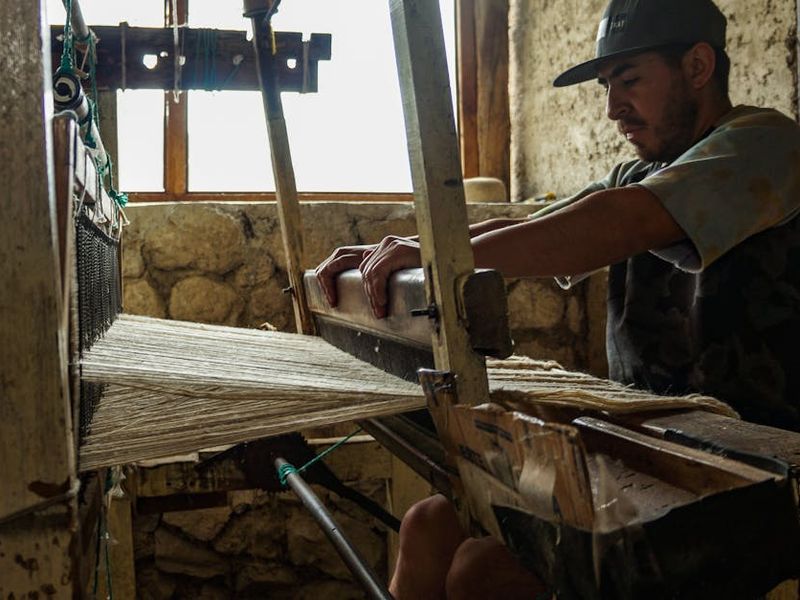
Near the Pumapungo museum you’ll find artisan stalls and small shops selling textiles, ceramics, and carved wood. Crafts here tend to be more focused on traditional Andean styles—look for handwoven scarves, small tapestries, and tagua (vegetable ivory) jewelry made by local artisans.
Parque Calderón and Surrounding Artisan Areas
The streets around Parque Calderón are prime spots to find souvenirs and handcrafted items, especially during tourist season. You’ll see vendors selling Panama-style hats, alpaca sweaters, leather goods, and silver jewelry. This area is convenient for browsing after visiting the cathedral and central plazas.
Neighborhood Farmers’ Markets and Street Fairs
Cuenca has smaller farmers’ markets and neighborhood fairs that pop up on certain days. These are ideal for organic or heirloom produce and for making direct connections with growers. Food stalls often serve lunch—great for sampling regional specialties in a less touristy setting.
What to Buy: Produce, Pantry Staples, and Local Specialties
Shopping at a market is the perfect time to gather fresh, seasonal staples and to bring home flavors you won’t find in supermarkets.
- Greens and herbs: Cilantro, culantro, lettuce varieties, and aromatic herbs that stay fresher and more fragrant than store-bought bundles.
- Root vegetables: Potatoes, mashua, and carrots—highland-grown and hearty.
- Fresh fruit: Depending on the season you’ll find citrus, tree fruit, and tropical options brought up from lower elevations.
- Dairy and cheese: Local queso fresco or aged regional cheeses sold at traditional stalls.
- Prepared foods: Pan de yuca, empanadas, humitas, and hornado slices for a quick market meal.
What to Look for in Crafts: Authenticity and Quality
Cuenca is a great place to buy handmade goods, but it helps to know how to judge quality so you leave with pieces that last and support local artisans.
- Wool and alpaca garments: Look for tight, even stitching and fiber labels. Good alpaca feels soft and warm, not itchy, and will often be pricier than generic blends.
- Panama-style hats: These hats are woven from toquilla straw. Examine the weave density—the tighter and more even, the more skilled the craft. Ask where it was woven and if a provenance tag is available.
- Tagua jewelry and woodwork: Check for smooth finishes, secure clasps, and consistent carving; tagua should feel slightly dense and polished.
- Silver and filigree: Look for hallmarks if you want real silver; filigree should be delicate but robust, not easily bent.
Smart Shopping Tips: How to Save Money and Get Fresh Items
Markets are friendly but fast-paced places. A few practical moves can make your visit smoother and more rewarding.
- Go early: For the best produce and the freshest selection, arrive in the morning—many vendors restock and display their best items before noon.
- Bring cash: Small bills and coins are appreciated; many stalls don’t take cards. Keep your cash in a secure, inner pocket or a crossbody bag.
- Bring reusable bags and a small cooler: A collapsible cooler bag keeps delicate produce and cheeses fresh if you plan to shop a lot or carry purchases across town.
- Buy in season: Seasonal buys are fresher and cheaper. Ask vendors what’s at peak right now—locals are happy to share tips.
- Ask for sample or a small taste: Vendors often let you try a spoonful of a jam, a slice of cheese, or a bite of fruit to check quality.
How to Bargain (and When Not To)
Bargaining is part of market culture in many Latin American markets, but it isn’t always expected for food items. Use a friendly tone and a smile when negotiating.
- For bulk purchases (several kilos of fruit, multiple crafts), it’s reasonable to ask for a small discount.
- For single produce items, prices are often fixed: start by saying “¿Me puede dar un poco más barato si llevo más?” (Can you give me a better price if I buy more?).
- For crafted goods, don’t be afraid to ask about the maker and the price range—this can open the door to a fair negotiation that honors the artisan’s work.
Spanish Phrases That Make Shopping Easier
Knowing a few basic phrases helps you connect and speeds transactions.
- ¿Cuánto cuesta? — How much does it cost?
- ¿Me puede pesar (esto) en una libra? — Can you weigh this in a pound?
- ¿Acepta tarjeta? — Do you accept card?
- ¿De dónde es hecho? — Where is this made?
- ¿Tiene más barato si compro dos? — Do you have a better price if I buy two?
Seasonality: What to Buy When
Ecuador’s geographic diversity means many fruits and vegetables are available year-round, but local highland markets like Cuenca still have seasonal peaks. In general:
- Cool-season crops (root vegetables, leafy greens) are robust and plentiful year-round in the highlands.
- Warm-climate fruits (mangoes, bananas) travel from coastal and lowland regions to city markets—expect peak times in local harvest windows.
- Ask vendors for the freshest weekly picks; they can tell you when a particular fruit or herb is at its best.
Storing and Using Market Produce in Your Cuenca Home
Highland weather in Cuenca is temperate and can be damp. To make market purchases last:
- Store leafy greens in a lightly damp cloth inside a sealed container in the fridge to maintain crispness.
- Keep tubers and onions in a cool, dark place—avoid storing them next to apples, which emit ethylene and speed ripening.
- Use a cooler if you’re heading out on a long day—cheese and butter will stay fresher when chilled.
Ethical and Responsible Market Shopping
Buying in markets supports small-scale farmers and artisans, but it’s good to be mindful.
- Ask about origin: knowing where produce or a craft was made helps you support local economies.
- Avoid products that use endangered wood types or animal parts; ask artisans what materials they use if you’re unsure.
- Buy quality over quantity—paying slightly more for an artisan’s fair wage encourages traditional craft techniques to continue.
Sample Market Day Itineraries
Make the most of your time with a few sample routes depending on your interests.
Morning Food Run (Fresh Cook-at-Home Supplies)
Arrive early at the central market: buy greens and herbs, get the best cuts of cheese, stop at a stall for pan de yuca, and finish with coffee. Head home with a cooler bag full of ingredients for a market-fresh dinner.
Half-Day Craft and Souvenir Hunt
Start at artisan stalls near Parque Calderón, move to the stalls around Pumapungo for traditional pieces, and finish browsing small shops in the San Blas neighborhood for gallery-quality art. Pack a list of the items you want—hats, a small tapestry, or tagua jewelry—and check provenance before buying.
Safety and Practicalities
Markets are generally safe but busy. Keep these common-sense tips in mind:
- Carry a small crossbody bag or money belt to deter pickpockets.
- Use a credit card only where you see a secure card reader; otherwise bring cash.
- Wear comfortable shoes and be ready for narrow aisles, crowds, and lots of sensory stimulation.
Final Thoughts: Make Markets Part of Your Cuenca Experience
Markets connect you to the rhythm of Cuenca—its flavors, traditions, and the day-to-day lives of Ecuadorians. Whether you want to stock your kitchen with highland produce, find a one-of-a-kind handwoven scarf, or learn how local foods are prepared, the markets deliver. Approach them with curiosity, a few Spanish phrases, and an openness to try new things, and you’ll leave with more than purchases—you’ll leave with memories and relationships that make Cuenca feel like home.
Now that you know where to look and how to shop, pick a morning, grab a reusable bag and a small cooler, and go discover the markets that make Cuenca a living market of flavors and crafts.