
Table of Contents
Why Cuenca is a smart choice for a dental retreat
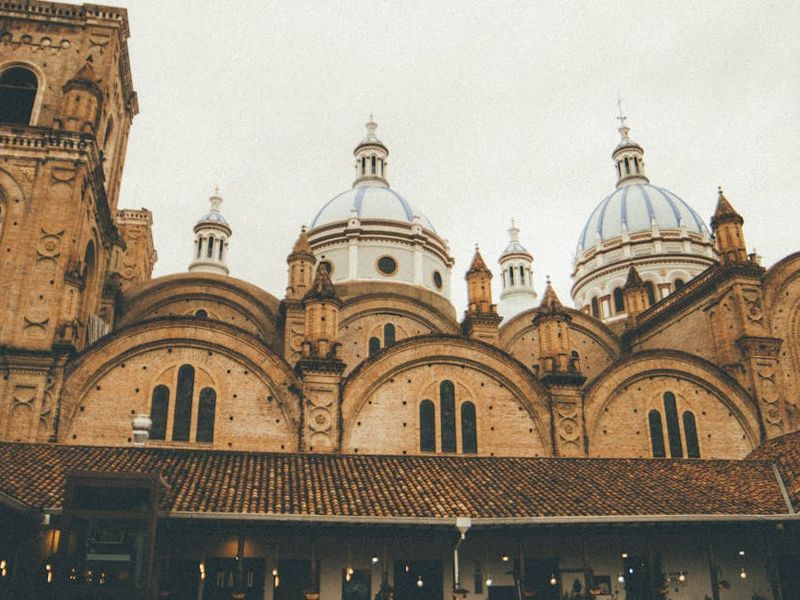
Cuenca, Ecuador blends gray-tiled roofs, tree-lined plazas and a surprisingly modern healthcare scene—making it one of South America’s most popular spots for dental tourism. The city is compact, walkable and full of low-key cafés, ideal for anyone looking to pair quality dental care with a restorative stay. Ecuador uses the US dollar, which simplifies budgeting, and many clinics cater to international patients with English-speaking staff and packaged services.
Top benefits of combining dentistry with a relaxing getaway
Choosing Cuenca for dental work isn’t just about lower costs. It’s a chance to decompress in a city known for its gentle pace, good food and welcoming expat community. Benefits include:
- Lower prices for many procedures when compared to North America and Western Europe.
- Modern clinics with digital imaging, CBCT and in-house labs.
- Easy logistics: hotels, short taxi rides and a compact historic center.
- A built-in recovery environment—quiet streets, local soups and cafes perfect for soft-food diets.
How to pick the right clinic: red flags and must-ask questions
Finding a trustworthy dentist is the most important step. Use this checklist when researching clinics:
- Ask for credentials and where the dentist trained. Many local dentists have international study or fellowship programs.
- Verify the clinic’s infection-control standards—are instruments autoclaved? Is there a clear sterilization area?
- Request before-and-after photos of similar cases and ask for references from international patients.
- Check what equipment they use: digital X-rays, intraoral scanners, and cone-beam (CBCT) imaging are helpful for implant planning.
- Get details on materials and brands (implant brand, crown type—zirconia, porcelain-fused-to-metal, etc.) and a written estimate that separates lab fees, anesthesia and follow-up visits.
- Ask about warranties and what happens if there’s a complication once you return home.
Resources to verify a clinician
Look for memberships in Ecuadorian professional organizations—dentists commonly belong to local dental societies and the regional dental college (Colegio de Odontólogos del Azuay). Read Google and Facebook reviews, and post in Cuenca expat groups to get firsthand patient feedback.
Common procedures and realistic timelines
Different dental treatments require different lengths of stay. Below are typical examples and suggested trip lengths:
- Crowns and bridges: 2–4 days. Same-week completion is common with local labs—arrival, prep and final cementation.
- Veneers: 3–5 days. Depends on lab turnaround; some clinics offer same-week porcelain work.
- Single implants: 3–7 days for implant placement; final crown typically placed months later after osseointegration (unless an immediate-load system is used). Plan a return visit or coordinate with your home dentist for the crown.
- Full-arch restorations or multiple implants: 1–2 weeks minimum, plus possible staged visits over several months.
Many clinics offer hybrid solutions: they place the implant and attach a temporary crown for aesthetics. Discuss clearly whether your chosen approach requires a second trip.
Costs: what to expect and how to compare
Cuenca tends to be less expensive than North America, but prices vary by clinic, materials and case complexity. As a rough guide:
- Single implant (surgery only): wide range—ask for a full breakdown; some clinics quote between $700–$1,500 per implant depending on brand and bone grafting needs.
- Porcelain crown: often between $150–$400 for a quality lab crown.
- Veneer: $200–$450 each depending on material.
Always ask for an itemized quote in writing. The biggest cost drivers are the implant brand, lab work and whether bone grafting or sinus lifts are necessary. Because Ecuador uses the US dollar, comparing prices is straightforward—just factor in travel and accommodation.
Travel logistics: arrival, transport and where to stay
Most international travelers connect to Cuenca through Quito or Guayaquil and then take a short domestic flight to the local airport. The airport is a short taxi ride from the city center—expect an inexpensive transfer (often under $10–$15, though rates can vary). Many clinics include airport pickups in their packages.
Where to stay: pick a location that balances convenience and calm. Popular neighborhoods for visitors include:
- Historic Center (El Centro): Steps from Parque Calderón and most clinics—great for walking, dining and pharmacies.
- Riverside near the Tomebamba: Quieter streets and pleasant walks along the water.
- Mirador/Turi (if you prefer views): A short taxi ride uphill for panoramic city vistas—more tranquil evenings here.
Book a hotel or airbnb within easy taxi distance of your clinic and restaurants. Many patients prefer a boutique hotel with comfortable beds and a quiet courtyard for recovery.
Plan to unplug: gentle activities while you heal
One of Cuenca’s strengths for a dental holiday is the variety of low-impact activities that don’t interfere with healing:
- Strolls in the historic center and along the Tomebamba River—plenty of benches and cafés for resting.
- Sip coffee at a local café and enjoy mild pastries or a small bowl of locro de papa (potato and cheese soup), which is great for soft-food diets.
- Visit artisanal markets in the afternoons—easy on the feet and a nice way to buy a handwoven scarf or hat.
- Take a short scenic drive to Mirador Turi for city views without strenuous hiking.
Avoid long hikes or trips to high-altitude preserves like Cajas National Park during your immediate recovery; such outings can add stress and increase swelling or fatigue.
Recovery, medications and local foods that help
Everyone heals differently, but typical aftercare includes antibiotics (if prescribed), short courses of pain medication and salt rinses. Important tips:
- Bring a copy of your prescriptions and check if the pharmacy requires a local prescriber—many clinics will write prescriptions you can fill nearby.
- Pack soft, nutritious foods such as soups, scrambled eggs, mashed avocado and smoothies. Local favorites like locro and chicken soup are both comforting and widely available.
- Stay hydrated, especially because Cuenca sits at around 2,500–2,600 meters (about 8,200–8,500 feet). The altitude can make you feel tired and slightly breathless, so take it easy, especially in the first 48–72 hours.
- Avoid heavy lifting, strenuous exercise and alcohol for several days following major procedures.
Insurance, guarantees and follow-ups
Most U.S. and Canadian dental insurance plans won’t cover international care, though some international insurers have partial coverage—check before you travel. Many clinics offer written guarantees for certain procedures; get the terms in writing and understand how follow-up care is handled if you return home. Some clinics will coordinate with dentists abroad or send work details so your local dentist can continue care.
Safety, culture and practical tips
Cuenca is generally safe and friendly for visitors, including solo travelers. Practical suggestions to minimize stress:
- Learn basic Spanish dental phrases or install a translation app—most clinics have bilingual staff but being able to say “pain,” “numb,” and “sensitive” is useful.
- Keep copies of dental records and X-rays both printed and digital.
- Tipping: not strictly required but appreciated; 5–10% at restaurants is common practice.
- Carry your passport and any prescribed medications in your carry-on luggage.
A sample 7-day dental retreat itinerary
Here’s a sample plan for a single crown, veneer, or implant-placement trip that favors rest and sightseeing:
- Day 1 — Arrival: Land, transfer to hotel, light meal and early night.
- Day 2 — Consultation and imaging: Meet the dentist, take X-rays/CBCT, finalize the treatment plan. Light walking in the afternoon near the river.
- Day 3 — Procedure day: Treatment (crown prep, veneer, or implant placement). Rest in the hotel; walk in the evening if comfortable.
- Day 4 — First follow-up: Short check by the dentist; enjoy an easy riverside lunch and a calm afternoon.
- Day 5 — Relaxation: Gentle sightseeing: Parque Calderón, artisan markets, and a relaxed café afternoon.
- Day 6 — Final check/adjustments: Last adjustments and printouts of instructions, prescriptions if needed.
- Day 7 — Departure: Pack, do any last-minute shopping, and head home.
If your treatment requires multiple stages (e.g., waiting months for implant osseointegration), plan a return visit or coordinate the restorative phase with your home dentist.
Packing checklist for a dental vacation
- Comfortable clothing and shoes for walking on cobblestones.
- Pillows for neck/back comfort during flights.
- Copies of dental records, X-rays and written treatment plans.
- Prescription list and any necessary medications.
- Soft-food snacks: protein powders, instant soups, applesauce containers.
- Toiletries and a soft-bristle toothbrush for gentle post-op care.
- Portable charger and a translation app.
Final thoughts: balance savings with safety
A dental retreat in Cuenca can be a restorative and cost-effective way to improve your smile—if you plan carefully. Vet clinics, ask detailed questions about materials and timelines, and arrange a calm place to rest while you recover. By combining good research with realistic expectations, you can turn a necessary procedure into a peaceful, healing escape in one of Ecuador’s most charming cities.
Ready to start planning? Begin by compiling your dental records and reaching out to two or three reputable clinics for written estimates and detailed timelines. That first email or phone call is your step toward a healed smile—and a relaxing stay in Cuenca.