
Table of Contents
Why Cuenca Is Ideal for a Dental Retreat
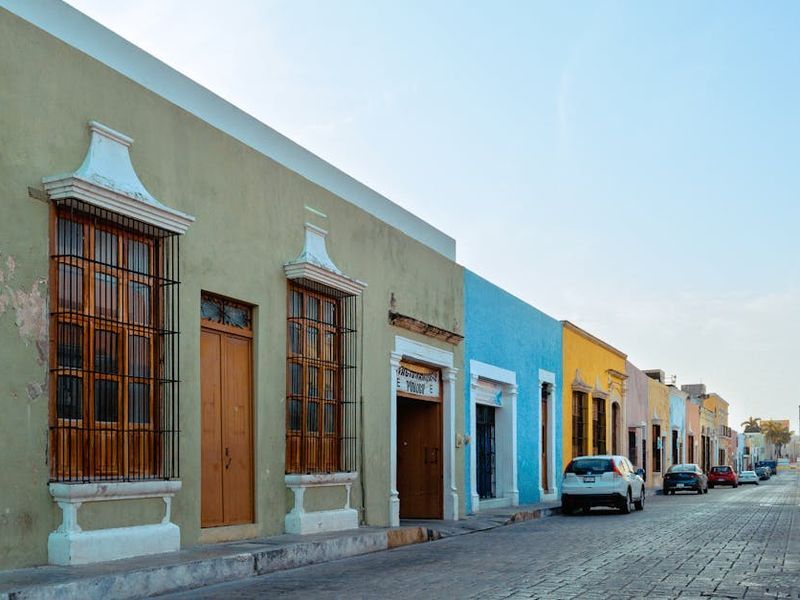
Cuenca, Ecuador, blends modern dentistry with a mellow, walkable historic center and comfortable altitudes that most visitors find agreeable. The city uses the U.S. dollar, has many English-speaking clinicians, and a large expat community — all factors that make scheduling dental work while enjoying a vacation both convenient and affordable.
Beyond cost savings, Cuenca offers a slower pace, excellent food markets, and cultural sights that are perfect for low-impact recovery days. If you choose the right clinic and plan your trip carefully, you can get excellent dental care without sacrificing the chance to relax and explore.
What to Expect from Your Dental Treatment Options
Common dental tourist procedures in Cuenca include cleanings and fillings, crowns and bridges, veneers, root canals, and dental implants. Costs tend to be a fraction of North American or European prices, but exact fees vary depending on materials, lab work, and technology the clinic uses. Ask potential dentists for itemized quotes.
Some treatments require just one visit (simple fillings, cleanings), while others need multiple appointments spaced over weeks or months (implants typically need healing time between surgery and crown placement). Newer technologies — like same-day CAD/CAM crowns (CEREC) — are available in many modern clinics if you want to minimize repeat visits.
How to Choose a Clinic in Cuenca
Selecting the right dental team is the most important step. Start with these practical checks:
- Verify credentials and ask about years of experience and specialist training.
- Look for clinics with digital X-ray and CBCT (3D) imaging, modern sterilization practices, and in-house or reliable partner laboratories.
- Read patient reviews on multiple platforms and request before-and-after photos for similar cases.
- Ask about guarantees or warranties on work, and get an itemized, written treatment plan.
- Confirm language support: many clinics have English-speaking staff, but arrange for a translator or phone app if needed.
How to Plan the Timeline: Sample Itineraries
Plan your trip around the procedure timeline to allow for recovery and any lab turnaround. Here are three sample itineraries:
Short Trip (3–5 days): Cleanings, Fillings, and Minor Restorative Work
- Day 1: Arrival, settle in, light walk around Parque Calderón.
- Day 2: Consult and X-rays; begin treatment if agreed.
- Day 3: Follow-up/check and any remaining work.
- Days 4–5: Low-key sightseeing—museums, markets, café culture—before flying home.
Medium Trip (7–10 days): Crowns, Veneers, and Some Implant Stages
- Day 1–2: Arrival and first consult, diagnostic images, impressions.
- Day 3–4: Preparatory work and temporary crowns or impressions sent to the lab.
- Day 5–7: Rest and short outings; final crowns fitted if the lab turnaround allows (same-day crowns can shorten this).
- Day 8–10: Final checks, polishing, and paperwork.
Longer Plan (Surgery + Healing): Dental Implants
Implant work often requires staged visits. You may have the implant placed in Cuenca and return home for the healing period, then come back for the abutment and crown several months later. Alternatively, some practices offer temporary solutions while you heal.
Where to Stay: Accommodation Tips for Recovery
Choose accommodation that supports rest and easy access to your clinic:
- Historic Center (El Centro): Walkable to many clinics, cafes, and easy services. Great if you prefer to be in the heart of the city.
- Quieter neighborhoods (near the Yanuncay or city neighborhoods east of the center): Less noise, more space, often better for recuperation.
- Serviced apartments or Airbnbs with a kitchenette: Helpful for preparing soft foods after oral surgery.
- Hotels with onsite breakfast and concierge: Useful for arranging transport and local appointments.
Recovery-Friendly Activities in Cuenca
After dental procedures—especially extractions or implant surgery—plan gentle, low-exertion activities:
- Riverside walks along the Tomebamba: Scenic and flat paths ideal for short strolls.
- Plaza Calderón and historic cathedral visits: Cultural, low-impact sites close together.
- Museums like Pumapungo: Indoor, relaxed, and instructive.
- Artisan markets in Chordeleg and Gualaceo (day-trip): Great for souvenir shopping without strenuous hiking.
- Coffee shops and botanical gardens: Perfect for reading and light outings.
Avoid high-altitude, strenuous hikes immediately after surgery (Cajas National Park sits higher and can be taxing). If you plan to visit high places, schedule them before surgery or wait several weeks after clearance from your dentist.
Practical Travel Logistics
Before you travel, keep these logistic details in mind:
- Passport and visa: Tourists from many countries can stay 90 days without a visa; check your embassy for specifics.
- Currency: Ecuador uses the U.S. dollar; major cards are accepted but bring some cash for small vendors and pharmacies.
- Water and food safety: Stick to bottled water for the first 24–48 hours if you’re sensitive, and avoid spicy or very hot foods after mouth surgery.
- Pharmacies: Large chain pharmacies are easy to find in the city; your dentist will prescribe pain relievers or antibiotics if needed.
- Altitude: Cuenca sits around 2,500–2,600 meters (8,200–8,500 ft). Allow yourself a full day to adjust if you’re coming from sea level—mild shortness of breath or sleep changes are common.
Money Matters: Payment, Insurance, and Warranties
Most clinics accept credit cards, bank transfers, or cash. Ask about deposit policies and what’s included in the price—some clinics bundle lab fees, crowns, and follow-ups; others charge separately.
Check whether your home dental insurance covers any portion of the work; some insurers reimburse for out-of-country treatments, and some clinics provide documentation to help with claims.
Always get a written estimate and documentation of the materials used (e.g., zirconia crown, screw-retained implant). Ask about warranty terms and what follow-ups are included.
Communication and Language Tips
While many dental teams in Cuenca speak English, preparing ahead makes everything smoother. Send photos of your teeth, X-rays, and a short medical history to potential clinics for preliminary assessments. Use translator apps for real-time communication, and request written instructions in English for post-op care.
If you have a complex case, consider hiring a dental travel coordinator or concierge who can liaise between you and the clinic, translate, and manage appointments.
Packing Checklist for a Dental Vacation
Pack smart to make recovery easier and travel less stressful:
- Copies of dental records, X-rays, and a printed treatment plan.
- Comfort items: travel pillow, eye mask, compression socks for long flights.
- Soft-food supplies and a few favorite non-spicy items (yogurt, applesauce, protein shakes).
- Over-the-counter meds you prefer (check with your dentist before taking anything with prescriptions you’ll receive).
- Phone charger, power bank, and any adapters; download offline maps of Cuenca.
- Translator app and contact numbers for your clinic.
Safety, Hygiene, and Aftercare
Hygiene standards in reputable Cuenca clinics meet international expectations, but always ask about sterilization practices. You should receive clear aftercare instructions—follow them strictly. This typically includes:
- Avoiding smoking for at least 48–72 hours after most oral surgery.
- Using cold compresses for swelling and staying hydrated.
- Soft foods for several days post-op and avoiding straws (suction can dislodge blood clots).
- Keeping follow-up appointments and contacting your dentist if you experience increasing pain, fever, or unusual swelling.
Money-Saving and Stress-Reducing Tips
To make the most of your trip economically and logistically:
- Request a bundled package if you’re getting multiple procedures; clinics sometimes offer discounts for package work.
- Travel with a companion who can help during recovery and act as a translator if needed.
- Plan non-strenuous activities for recovery days so you still enjoy the city while minimizing movement that could interfere with healing.
- Consider scheduling in the shoulder season (May–June or September–October) for lower hotel rates and fewer crowds, while checking the local clinic’s availability.
Final Checklist Before You Book
Before confirming anything, make sure you have:
- Written treatment plan with timeline and total costs.
- Clinic references or recent patient photo galleries.
- Clear post-op instructions and confirmation of who to contact in an emergency.
- Travel insurance that covers medical evacuation or complications (recommended for extensive surgery).
- Accommodation reserved within easy reach of your appointment times.
Conclusion: Balance Care with Calm
A dental vacation in Cuenca can be an excellent way to combine necessary dental work with restorative time in a peaceful, culturally rich city. With careful planning — choosing a reputable clinic, building a realistic timeline around lab and healing times, and booking restorative activities that encourage relaxation — you can return home with a healthier smile and fresh memories of Cuenca’s plazas, riverside walks, and artisan markets.
Take the time to do your homework, bring supportive companions if needed, and prepare a recovery plan that allows you to enjoy the city’s gentle charms without rushing your dental care. Relax, repair, and repeat — Cuenca is ready when you are.