
Table of Contents
Introduction: A New Era of Dental Tourism in Cuenca
If you’re considering dental implants, crowns or veneers and want spa-like recovery time with big savings, Cuenca, Ecuador deserves top billing. Long known as a charming expat city with a rich colonial core, Cuenca has quietly become one of the best places on Earth for dental tourism. Here you’ll find dramatic cost savings—often 60–70% compared to U.S. and Canadian prices—alongside highly trained dentists, modern clinics, short wait times and a comfortable environment ideal for recovery.
Why Cost Alone Makes Cuenca Irresistible
Cost is usually the first thing people think about. For many, a single dental implant in the United States or Canada can run $3,000–$6,000 or more when you factor in implant components, abutment and crown. In Cuenca, that same treatment often costs between $800 and $1,500. Crowns that cost $800–$2,000 at home are commonly $200–$500 here, and veneers that might be $900–$2,500 in North America frequently run $300–$600 in Cuenca. Those numbers add up fast—clients often save 60–70% overall, making full-mouth restorations, multiple implants, or premium materials affordable without sacrificing quality.
World-Class Training and Professional Standards
Cuenca’s dentists are not second-rate practitioners. Many graduated from Ecuador’s top dental schools—such as Universidad de Cuenca and Universidad Católica—and have completed postgraduate residencies and specialty training. It’s common for dentists to pursue additional education or observe techniques in the U.S., Europe or other Latin American centers. Clinics routinely staff specialists in oral surgery, prosthodontics and endodontics, so your implant case can be managed by the right expert at every stage.
Modern Clinics and Cutting-Edge Technology
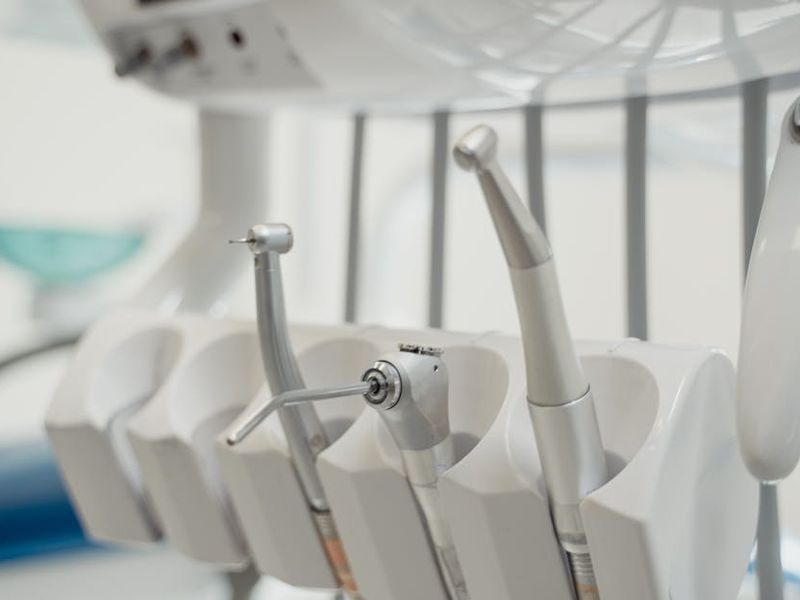
One of the surprises for many visitors is how contemporary dental facilities are. Cuenca clinics feature digital X-rays, 3D CBCT imaging for accurate implant planning, CAD/CAM milling for same-day crowns, sterilization rooms that meet international standards, and digital impressions that eliminate messy putty. Some practices even use 3D printing and guided surgery protocols that improve implant accuracy and reduce healing times. When you compare equipment and protocols, many Cuenca clinics mirror what you’d find at a modern practice in the U.S. or Europe.
The Ideal Recovery Environment: Why Cuenca Helps Healing
Recovery matters. Cuenca is perched in the Andes at about 2,560 meters (8,400 feet) and enjoys a mild, springlike climate year-round—no extreme heat or humidity. That peaceful, temperate weather is great for recovery from implant surgery or soft-tissue work. Imagine returning from a morning appointment to a cozy rented apartment near the historic center, taking gentle walks in Parque Calderón, and snoozing in a quiet courtyard. The slower pace, clean air, and availability of comfortable accommodations make Cuenca uniquely suited to post-procedure healing.
Combine Treatment with Culture: Dental Work as a Vacation
Dental vacations are a real advantage in Cuenca. You aren’t just traveling for a drill; you’re booking improved oral health alongside a cultural escape. Between appointments you can visit museums, artisan markets, and flower stalls, or take short day trips to Cajas National Park for scenic walks and gentle elevation therapy. Cuenca’s compact city center means minimal travel time between clinic and lodging—perfect for people who need to rest between stages of treatment. Restaurants, pharmacies and English-speaking services are abundant, easing the logistics of combining treatment with leisure.
Short Wait Times and Personalized Care
Another major advantage of Cuenca is speed. Unlike some clinics in high-demand tourist hubs or public healthcare systems where wait times can stretch for months, many Cuenca clinics can schedule consultations and procedures within days to a few weeks. That quick access matters for time-sensitive cases and travelers with limited vacation days. Equally important is the one-on-one care model: patients frequently work directly with the dentist who will perform the procedure rather than being shuffled between providers. This personalized attention builds trust and makes complex cases feel less intimidating.
How Implant and Crown Timelines Work in Cuenca (Practical Guide)
Understanding timelines helps plan your trip. Here are typical scenarios you’ll encounter in Cuenca:
- Single implant with staged restoration: consultation and CBCT on Day 1; implant placement within a week; healing 8–12 weeks; return for final abutment and crown. Many patients split this into two trips (first: 7–10 days; second: 5–7 days) or return once after home healing with local follow-up by photos and video.
- Immediate load implants (same-day temporaries): suitable cases can receive an implant and a provisional crown in one trip. Final restoration still follows once healing stabilizes—commonly 8–12 weeks later.
- Crowns and veneers: with CAD/CAM, a crown or veneer can often be completed in 1–3 visits over 7–10 days—diagnosis, preparation and digital impressions, then final placement when the lab or in-office mill is ready.
Cuenca clinics are flexible. They’ll discuss whether a single extended stay or two shorter visits work best for your timeline and budget.
Choosing the Right Clinic: Questions to Ask
Not all clinics are the same. Before booking, ask these practical questions:
- What are the dentist’s formal credentials and continuing education history?
- Can you see before-and-after photos and patient testimonials?
- Which implant brands and prosthetic materials are used (Nobel, Straumann, Zimmer, etc.)?
- Is CBCT available on site for accurate bone and nerve mapping?
- What warranty or follow-up care is included, and how are complications handled?
- Do they provide English-speaking coordinators or teleconsults for pre- and post-op questions?
Reputable clinics will be transparent and happy to share detailed case studies and references.
Logistics: Travel, Accommodations and Practical Tips
Getting to Cuenca is straightforward. Mariscal Lamar Airport (CUE) is small but functional, with connections through Quito and Guayaquil; many international travelers arrive via Quito or Guayaquil and take a short domestic flight. Buses are also reliable and comfortable if you prefer a scenic overland route. As a tourist, U.S. and Canadian citizens typically receive a 90-day visa on arrival, but always verify current entry requirements before traveling.
For stays, the Historic Center offers walkable proximity to clinics, pharmacies and restaurants; neighborhoods like La Cabrera and San Blas are quieter and equally convenient. Look for apartments or hotels with kitchens and comfortable beds—rest is a key part of recovery. Many clinics can recommend vetted accommodations and even provide airport pickup.
Affordability, Payment and Insurance Realities
Most international dental insurance plans will not cover treatment abroad, though you can often submit receipts for reimbursement if your plan allows it. Practically, patients pay out-of-pocket using major credit cards, bank transfers, or cash. Because the overall cost in Cuenca is so much lower, financing is often unnecessary, but many clinics also offer payment plans. Ask for a detailed written estimate that lists material brands, lab fees and all follow-up appointments so there are no surprise charges.
Aftercare, Pharmacies, and Emergency Support
Cuenca is well stocked with pharmacies carrying antibiotics, pain relievers and dental supplies. Most clinics provide a clear post-op plan, prescriptions and an emergency contact for nights and weekends. For longer-term follow-up, many dentists coordinate with patients’ home dentists to share records and radiographs. If you need additional care after you return home, a good clinic will supply digital files, CBCT scans and photographs to facilitate care continuity.
Real-Life Value: When Quality Meets Affordability
The most compelling reason to choose Cuenca is the overall value proposition. You’re not trading price for quality—you’re getting both. For a fraction of the North American cost you can afford premium implant systems, high-quality crowns and full aesthetic rehabilitations that might be financially out of reach at home. That opens doors: a full-mouth implant restoration or a set of porcelain veneers can be life-changing, and doing the work in Cuenca makes those outcomes financially realistic.
Safety, Accreditation and Professional Networks
Safety is a valid concern for anyone traveling for medical or dental care. Many Cuenca clinics adhere to international sterilization standards and participate in professional associations. Ask about sterilization protocols, instrument tracking, and whether the clinic follows WHO guidelines. Clinics that cater to international patients often have protocols in English and staff trained to manage travel-related logistics and emergencies.
Sample Dental Vacation Itineraries
Here are a few example plans that show how Cuenca lets you blend treatment and sightseeing:
- 10-day Veneers/Crowns Trip: Day 1 consultation and photos; Day 2 preparation and digital impressions; rest and recovery days visiting Parque Calderón and the artisan market; Day 7 final placement and follow-up.
- Two-Trip Implant Plan: Week 1 (7–10 days) for consultation, CBCT and implant placement with a temporary; home healing for 8–12 weeks; Week 2 (5–7 days) for final abutment and crown.
- Single Extended Implant Trip (immediate load): 10–14 days for same-day temporaries and post-op monitoring; follow-up by telemedicine and return visit for final crowns when bone has integrated.
Final Thoughts: Why Cuenca Stands Out
Choosing where to get dental implants, crowns or veneers is a major decision. Cuenca stands out because it brings together dramatic cost savings (60–70% in many cases), experienced dentists with advanced training, modern clinical technology, short scheduling waits, and a warm, restorative environment perfect for recovery. Add in the ability to experience an uplifting, culturally rich city and you have a powerful combination that turns necessary dental care into a rejuvenating trip. If you’re looking for top-tier dental results without the top-tier price tag, Cuenca should be near the top of your list.
Quick Checklist Before You Book
- Request credentials, before/after photos and a written estimate.
- Confirm implant brands and lab workflows (CAD/CAM, warranty).
- Plan travel and lodging near your clinic for easy post-op care.
- Ask about telemedicine follow-up and emergency contacts.
- Review visa and entry requirements for Ecuador, and bring necessary medical records and photos.
With the right planning, Cuenca can be more than a destination for dental care—it can be the place where you restore both your smile and your spirit.