
Table of Contents
Introduction: Why understanding Cuenca’s transport matters
Cuenca’s compact historic center, dramatic Andean backdrop and friendly neighborhoods make it one of Ecuador’s most livable cities. But life here requires a working knowledge of local transport. Whether you’re a new expat, a long-term resident, or a visitor settling in for a few weeks, this guide breaks down how to move around Cuenca smartly: from city buses and the main bus terminal to taxis, airport transfers and bike-friendly options.
Quick snapshot: Main transport options
Before we dive into details, here’s a quick overview so you can pick the best option depending on distance, budget and convenience:
- City buses – Inexpensive and extensive for daily commutes, but variable schedules and cash fares.
- Taxis – Ubiquitous, quick, and convenient for door-to-door travel; negotiation sometimes required.
- Interprovincial buses – Depart from the Terminal Terrestre for travel to other cities and regions.
- Airport transfers – Taxis and shuttle services connect Mariscal Lamar Airport to the city center.
- Walking and cycling – The historic center is highly walkable and many expats rent bicycles for short trips.
City buses: routes, etiquette and practical tips
Buses are the most budget-friendly way to get around Cuenca. Routes thread through neighborhoods, connecting residential areas to markets, schools and the city center. They are best for routine travel—commuting, shopping or heading to local markets and clinics.
How to use the buses
Most buses operate on fixed routes and are identified by route numbers or destination signs on the windshield. You’ll pay cash to the driver (exact change is helpful) as you board. If you’re unsure which bus to take, ask the driver or a nearby passenger—people are generally helpful and used to guiding newcomers.
Where buses stop and frequency
There are formal stops on major avenues, but on many streets buses will also stop on request. Frequency varies by time and route—main corridors have buses every 5–15 minutes during commuting hours, while peripheral routes slow down mid-day and in the evening. Allow extra time during peak morning and late-afternoon rush hours.
Etiquette and safety
- Have small bills ready; drivers may not carry change for large notes.
- Crowded buses can be targets for pickpocketing—keep valuables zipped and close to your body.
- Offer seats to elderly passengers and pregnant women; this is culturally expected.
- If you need to get off between stops, say “para” or pull the cord if the bus is equipped with one.
Understanding the Terminal Terrestre: interprovincial travel
The Terminal Terrestre de Cuenca is the city’s main long-distance bus terminal and the hub for travel to Quito, Guayaquil, Loja, and smaller towns across the region. If you need to leave the province, this is where you’ll start.
Buying tickets and classes of service
Tickets can usually be purchased at company counters inside the terminal or online with larger carriers. Buses often come in different classes—standard, semi-cama (reclining seats), ejecutivo or cama (more comfortable, sometimes overnight). For long trips, choosing a more comfortable class can make a big difference, especially for overnight journeys.
Luggage, schedules and safety
Most interprovincial buses include checked luggage in the fare, though there are size restrictions—keep valuables with you. Arrive at least 30 minutes before departure for popular routes during holidays or local festivals. The terminal is busy; stick to official counters and marked platforms. If you’re leaving at night, use the well-lit waiting areas and official taxi stands to reach your destination safely.
Taxis: how to hail, pay and avoid misunderstandings
Taxis are plentiful in Cuenca and often the fastest way to reach destinations not well served by buses. Most taxis are easily visible, and municipalities often require them to be a specific color or display a license number, which you should check before getting in.
Hailing and fares
You can hail taxis on major avenues, find them in ranks at busy corners, or request one from a hotel or restaurant. Many drivers use meters, but in some cases you’ll agree a flat rate before starting the ride—especially for trips to the airport. If a taxi doesn’t use a meter, agree the price in advance. Carry small bills so you can pay the exact fare.
Apps and alternatives
Ride-hailing apps are present in Ecuador but their availability and legal status can be inconsistent. If you prefer apps, check the most current local options and reviews from recent users in Cuenca. For reliable airport pickups, pre-booked shuttles or hotel-arranged taxis offer peace of mind.
Airport transfers: arriving and leaving Cuenca
Cuenca is served by the Mariscal Lamar airport (CUE), which is located a short drive from the center of town. Flights are limited relative to larger Ecuadorian airports, so many travelers connect via Quito or Guayaquil.
Getting into town
From the airport, taxis and private shuttles are the easiest ways to reach the historic center. The drive to Parque Calderón typically takes 20–40 minutes depending on traffic and your final destination. If you’re on a budget, ask about shared shuttles—some companies run scheduled trips timed with flight arrivals.
Tips for flight delays and connections
Because mountain weather can impact schedules, plan buffer time for national connections. If you have a late-night arrival, arrange a pre-booked transfer or get the contact number for a trusted taxi driver; hotels can recommend drivers who speak some English if needed.
Walking and cycling: the best way to explore the centro histórico
Cuenca’s historic center is compact, cobblestoned and made for walking. Many expats choose to live close to the centro to use walking as their primary mode of transport. Bicycles are common and a growing network of bike paths and quieter lanes make cycling an appealing option for short commutes.
Renting and safety
Bike rental shops in the center offer daily or monthly rentals; helmets are recommended and some shops will provide locks. If you plan to cycle regularly, invest in a sturdy lock and a good light for early mornings or evenings. Be mindful of cobblestones and the city’s sometimes-steep streets—choose a bike with good brakes.
Accessibility and travel for seniors
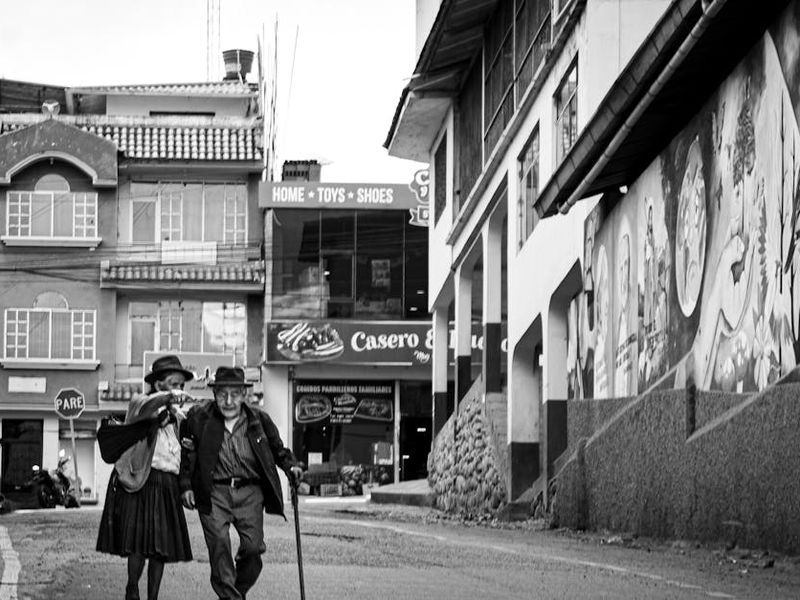
Public transport in Cuenca can be uneven in terms of accessibility. Older buses may have high steps, and many streets have cobbles or stairs. If mobility is a concern, opt for taxis or private transfers, and seek accommodations near the services you need to minimize the amount of time spent on public transport.
Health and comfort tips
- At 2,500 meters above sea level, Cuenca’s altitude can affect breathing and stamina—move at a comfortable pace and allow time to acclimate.
- Carry water when traveling longer distances, and wear layers as weather can change quickly in the highlands.
Language, bargaining and cultural tips
Spanish is dominant in Cuenca; many drivers may know only basic English. Learn a few key phrases to make travel smoother—“¿Cuánto cuesta?” (How much?), “Al centro, por favor” (To the center, please), or “¿Me puede llevar a…?” (Can you take me to…?). Locals appreciate polite attempts at Spanish and will often give helpful guidance.
Haggling and fixed prices
Haggling is common for unofficial fares—but not for metered taxis or fixed-route buses. If you’re offered an unusually low or high price, ask other passengers or a vendor nearby for the normal fare. For airport pickups and long-distance private transfers, get a written confirmation of the agreed price if possible.
Common routes every expat should know
There are a few routes and connections that most expats use frequently. Learn these hubs—and the best way to travel between them:
- Parque Calderón (historic center) to Terminal Terrestre – Best by taxi or a direct bus for heavy luggage.
- Centro to El Paraíso or suburban neighborhoods – Regular city buses or shared taxis work well; expect longer travel times during rush hour.
- Airport to downtown – Pre-booked shuttle or taxi for convenience, especially with luggage or arriving after dark.
Safety, scams and local hot tips
Cuenca is generally safe, but normal city precautions apply. Be mindful in crowded buses, avoid displaying large amounts of cash, and use well-lit taxi stands at night. A few practical tips locals follow can save time and stress:
- Keep a printed or offline map of key addresses (hotel, emergency contact, doctor’s office) in Spanish.
- Take a photo of the taxi’s license or plate if you feel uneasy about a driver.
- Ask your landlord, neighbors or coworkers which bus they use—local knowledge is often the quickest way to learn routes.
Final checklist for new arrivals
Here’s a short checklist to get you on the right foot in Cuenca:
- Carry small bills for buses and small purchases.
- Learn basic Spanish phrases related to directions and fares.
- Identify your nearest main bus stops and the closest taxi rank.
- If arriving by plane, pre-arrange airport pickup for your first night.
- Check the Terminal Terrestre schedules online before planning interprovincial trips.
Conclusion: build confidence by trying different options
Getting around Cuenca becomes easier with a little practice. Start with taxis for the first few trips, try buses for errands, and enjoy walking the centro histórico. As you learn the routes and meet neighbors, you’ll find the mix of buses, taxis, cycling and walking that fits your lifestyle. With these tips, you’ll feel at home navigating Cuenca’s streets and discovering the neighborhoods that make this city special.
Safe travels—and welcome to life on the banks of the Tomebamba!