
Table of Contents
Welcome to an Active Life in Cuenca
Moving to Cuenca opens up a surprising range of sports and fitness options for expats. Whether you crave a modern gym, a riverside running route, a friendly tennis court, or a mountain-bike trail, this Andean city delivers. This guide helps you identify the best types of facilities, how to find expat-friendly options, what to expect with costs and memberships, and sensible tips for training at 2,500 meters above sea level.
Why Sports Matter for Expats in Cuenca
Staying active in a new country helps with physical health, social connection, and adapting to local life. For many expats, organized sports are fast tracks to friendships: team sports, group classes and club memberships introduce you to both locals and other internationals. Cuenca’s compact center and safe neighborhoods make it easy to find regular activities without spending hours commuting.
Outdoor Fitness: Best Places to Run, Walk and Ride
Riverside promenades and park circuits
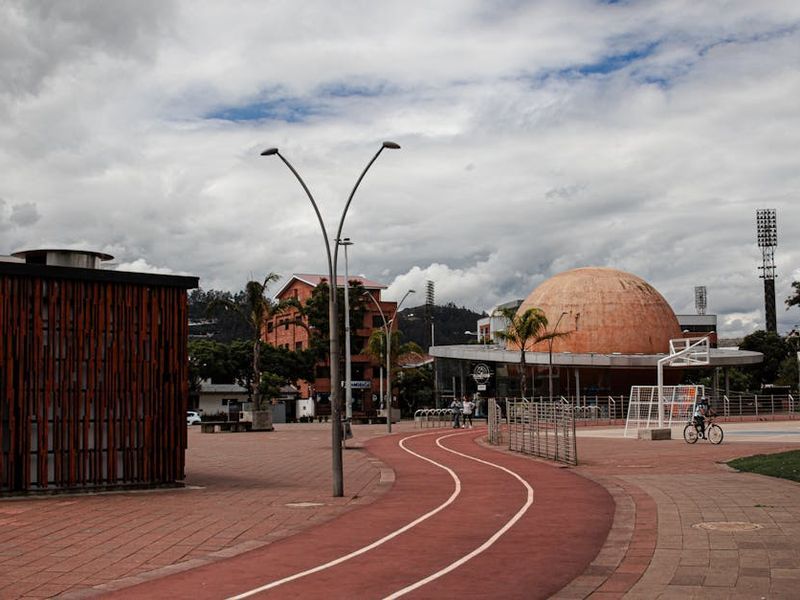
Tomebamba River walkways and Parque de la Madre are the go-to outdoor fitness corridors. Both offer smooth paths ideal for walking, jogging, stroller runs, and basic calisthenics. These spaces are popular at dawn and late afternoon; you’ll see families, seniors, and runners sharing the routes.
Malecóns and neighborhood routes
The city’s malecóns (riverfront promenades) and tree-lined residential streets create convenient short-loop routes. Many expats map 3–8 km circuits that pass markets, bakeries and cafés — perfect for mixing exercise with errands.
Day trips for serious cyclists and runners
If you want hills and long distances, head toward El Cajas National Park for high-altitude road cycling and trail running. Local cycling clubs often organize weekend rides of 60–120 km that include rolling Andean scenery. Bring a layered kit; weather changes quickly with elevation.
Gyms, CrossFit Boxes and Fitness Studios
Finding the right gym
Cuenca has a range of gyms: basic neighborhood gyms with free weights and cardio machines, boutique studios offering classes, and CrossFit boxes. Many gyms welcome drop-ins, short-term passes or monthly memberships. Expect prices to range broadly — budget gyms can be under $25/month, while premium studios may charge $40–$80/month or more; always confirm current rates and whether utilities like towels or lockers are included.
CrossFit, HIIT and functional training
CrossFit-style boxes and HIIT studios are popular with expats and bilingual trainers. These spaces often have English-speaking coaches and group training times that are perfect for meeting other internationals. If strength programming and community support motivate you, a CrossFit box is a reliable choice.
Yoga, Pilates and mind-body classes
Look for independent yoga and pilates studios advertising classes in English or with bilingual teachers. Studios are common near central neighborhoods and often offer multi-class packages. For a low-cost option, early morning parks seat yoga groups practicing outdoors during dry months.
Racquet Sports, Courts and Emerging Pastimes
Tennis and squash
Tennis courts are found at private clubs and municipal sports complexes. Courts can usually be rented hourly; many clubs offer lessons with local pros. Squash courts are less common but available at university facilities and some private clubs.
Pickleball and social racquet games
Pickleball is growing among expat communities. If dedicated courts aren’t available yet, friendly players often use tennis courts during off-hours to play. Check expat Facebook groups or Meetup for regular sessions and equipment-sharing.
Swimming: Pools, Lanes and Open-Water Options
Indoor pools and lap swimming
Lap pools exist at some sports complexes, hotels and private clubs. Ask about lane availability, group lessons and open swim times. If you need therapy or aqua-based fitness, inquire about shallow pools and trained instructors.
Open-water and alternative aquatic activities
High-altitude lakes near Cuenca aren’t typical year-round swimming spots, but full-day excursions for cold-water plunges and scenic hikes are common. For regular aquatic workouts, club pools are your best bet.
Team Sports: Soccer, Basketball and Volleyball
Pickup soccer and formal leagues
Soccer (fútbol) is everywhere. Pickup games in municipal fields and schoolyards are common — ask locally to find a weekly game. Several amateur leagues organize competitive and recreational divisions; joining a local team is a great way to learn Spanish and meet neighbors.
Basketball and volleyball
Indoor courts at community centers and university gyms host pickup basketball and volleyball. Expats often form coed teams for friendly tournaments and charity matches, so these sports are a good way to connect and stay fit without committing to intense training.
Mountains, Hiking and Climbing Near Cuenca
El Cajas National Park
El Cajas is a top destination for day hikes, trail running and high-elevation training. Routes vary from short loops around lagoons to long ridge walks. Weather here is unpredictable — carry windproof layers, sun protection and water. Altitude acclimatization is important: take it easy on your first few outings.
Local crags and climbing gyms
Rock climbing and bouldering communities are smaller but active. Indoor climbing walls exist in larger towns and sometimes in university facilities. If you’re serious about climbing, network with local outdoor clubs for trips and gear recommendations.
Rehab, Sports Medicine and Recovery
Physiotherapy and sports clinics
Cuenca has clinics offering physiotherapy, massage and sports medicine. Many therapists work with athletes recovering from injury or pursuing performance goals. If language is a concern, ask for English-speaking practitioners or bring a bilingual friend to the first visit.
Recovery tools and local alternatives
Access to cryotherapy and high-tech recovery tools may be limited to larger clinics and private centers. Fortunately, many therapists use manual techniques, stretching, and targeted exercise programs that are highly effective. Hot springs and mineral baths within a few hours of Cuenca offer natural recovery options after tough outdoor days.
How to Find Expat-Friendly Sports Communities
Online groups and Meetup
Facebook groups (search “Expats in Cuenca” or “Cuenca Sports”) and Meetup.com are the fastest ways to find current schedules for runs, rides, yoga, and pickup sports. Many expat-run pages organize weekly events and offer translation help for newcomers.
Local language schools and cultural centers
Language schools often host social events and casual sports meetups. Cultural centers and international schools advertise adult sports programs, which can be welcoming to expats and offer English-language coordination.
Practical Tips Before You Join
Try before you commit
Ask for a free trial class or a day pass. Most gyms and studios offer a drop-in rate or a first-week discount. Attend classes at different times to check the trainer’s language skills, class atmosphere, and how mixed the crowd is between locals and foreigners.
Membership contracts and payment
Read contracts carefully. Many places require a deposit or advance payment for a month or several months. Credit card payments are accepted at some facilities, but cash and bank transfers remain common. Clarify cancellation policies and whether you can pause a membership if you travel.
Health, safety and altitude
Cuenca sits at approximately 2,500 meters (8,200 feet). If you arrive from sea level, allow a week or more to acclimatize before intense workouts. Hydration, slower increases in intensity, and monitoring for shortness of breath or unusual fatigue are important. Carry a small first-aid kit and know the locations of nearby clinics in case of injury.
Budgeting and What to Expect Cost-wise
Costs vary by facility type. Expect budget neighborhood gyms to charge modest monthly fees (sometimes under $25), mid-range studios to be in the $30–$60 range, and premium clubs or private coaching to cost more. Outdoor activities like running and community sports are low-cost, while specialty training and therapy sessions will increase monthly spending. Many expats balance lower-cost outdoor activities with occasional paid classes.
Language and Cultural Tips for Team Sports
Spanish is the dominant language, and while many instructors know basic English, learning sport-specific Spanish phrases will make your experience smoother. Being punctual, respectful of local etiquette, and open to mixed-style training methods will help you integrate. Offer to organize a bilingual meet-up or invite teammates for coffee after practice — personal invitations go a long way in Cuenca’s social culture.
Sample Weekly Routine for an Active Expat in Cuenca
- Monday: Morning lap swim or CrossFit class in El Centro.
- Tuesday: Evening yoga class near Parque de la Madre.
- Wednesday: Riverside run on the Tomebamba, followed by a café meetup with other runners.
- Thursday: Pick-up soccer at a municipal field or a doubles tennis session at a local club.
- Friday: Restorative Pilates or a physiotherapy check-in after a heavy week.
- Saturday: Long road ride toward the hills or a day-trip hike in El Cajas.
- Sunday: Social breakfast run and community market visit, keeping it light and social.
Final Tips for Long-Term Fitness Success in Cuenca
Keep variety in your routine to stay motivated. Use outdoor spaces for low-cost daily activity, join a class for accountability, and consider hiring a bilingual trainer for the first few months. Connect with both local and expat fitness communities to learn about pop-up events and seasonal opportunities. Above all, respect your pace while adjusting to altitude and enjoy the social benefits that sports bring in this welcoming Andean city.
With thoughtful choices and a little planning, expats in Cuenca can maintain high-quality fitness routines, meet new friends, and explore some of Ecuador’s most beautiful outdoor playgrounds.