
Table of Contents
Why Spend a Week in Cuenca?
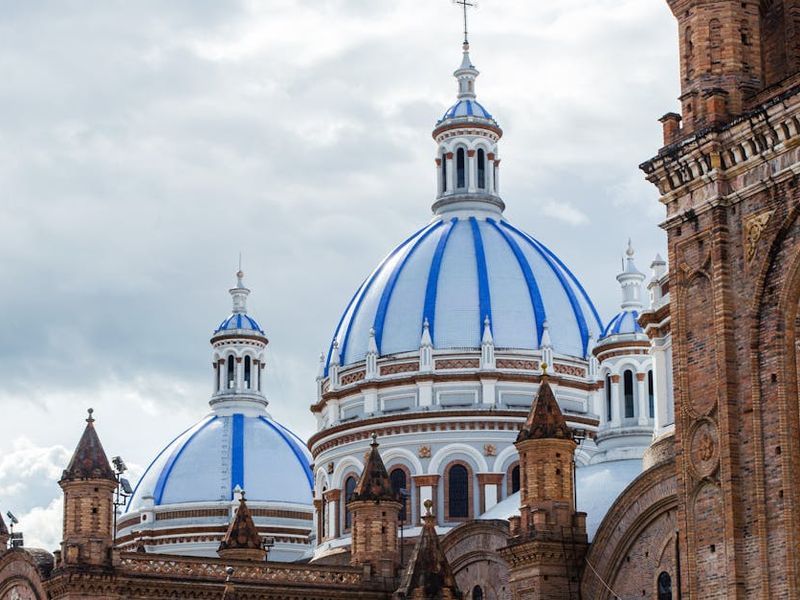
Cuenca, Ecuador’s UNESCO-listed colonial jewel, rewards slow travel. A week gives you time to savor its tree-lined plazas, blue-domed cathedral, riverside promenades and vibrant artisan culture while taking a couple of day trips into the Andean highlands. This guide lays out a relaxed, flexible seven-day plan plus practical tips so you get the most out of your stay.
Quick Practical Facts Before You Go
Cuenca sits at roughly 2,560 meters (about 8,400 feet) in the southern Andes, so plan for cool, changeable weather and mild altitude effects. Ecuador uses the US dollar as its currency, electricity is 120V (same plugs as the U.S.), and Spanish is the dominant language—though many people in tourism speak some English.
Arrival: Most visitors fly to Cuenca’s airport (CUE) or arrive by bus from Quito or Guayaquil. Accommodation neighborhoods to consider: El Centro and San Sebastián for history and walking access, Pumapungo for museums, or El Vergel for a quieter residential vibe.
Health & Safety Essentials
Altitude can cause headaches, shortness of breath and fatigue—take your first day easy, hydrate, avoid heavy exercise, and consider acetaminophen or ibuprofen if needed. The sun is stronger at altitude, so pack sunscreen, a hat and sunglasses. Tap water is treated in many places but many travelers prefer bottled or filtered water.
Cuenca is relatively safe compared with larger cities, but petty theft does occur. Use hotel safes, keep valuables discreet, and use licensed taxis or ask your hotel to call reliable transport. Carry photocopies of your passport and a small amount of cash for markets.
What to Pack for a Week Here
- Layers: light jacket, fleece, waterproof shell—temperatures swing day to night.
- Comfortable walking shoes for cobblestones and hikes.
- Reusable water bottle, sunscreen and basic first-aid meds.
- Daypack for excursions and a small umbrella or compact rain jacket.
- Spanish phrasebook or app—useful in markets and with vendors.
One-Week Itinerary Overview
The itinerary below balances cultural sights, markets, food, and nature. Swap days to match weather—rain often falls in the afternoons, so plan outdoor trips in the morning.
Day 1 — Arrival and Old Town Orientation
After settling in, take an easy walking loop through the historic center. Start at Parque Calderón to admire the New Cathedral’s striking blue domes. Wander the pedestrian Calle Larga for cafes and galleries, then stroll along the Tomebamba River to see stone bridges and charming riverside houses. End the day with an early dinner at a local restaurant and bed early to recover from travel and altitude.
Day 2 — Museums, Churches and Panoramic Views
Dedicate this day to top cultural sites: Museo Pumapungo (archaeological remains and ethnographic exhibits) and the nearby archaeological terraces are particularly rewarding. Visit the Cathedral interiors and the Old Cathedral (Parroquia del Sagrario) for a contrast of architecture. In the afternoon, take a short taxi ride to Mirador de Turi for sunset views of the city and surrounding valleys.
Day 3 — El Cajas National Park Day Trip
El Cajas is a high Andean park dotted with dozens of clear lagoons and short hiking trails—plan for a half- to full-day trip. It’s about a 30–60 minute drive from Cuenca depending on your pickup point. Wear layers, bring water and snacks, and allocate time for photo stops. Local operators offer guided hikes that include transport and a local guide familiar with the park’s fragile ecosystem.
Day 4 — Artisan Towns: Gualaceo & Chordeleg
Head southeast for a craft-focused day. Gualaceo has a lively market selling foods, textiles and household goods, while Chordeleg is famous for silver filigree jewelry and ornate jewelry shops. Both towns are within an hour’s drive. Plan time to haggle politely at stalls, watch artisans at work, and buy smaller items for easier transport home.
Day 5 — Ingapirca or Local Hot Springs (Choose Your Adventure)
If you love history, take a longer day trip to the Ingapirca ruins—Ecuador’s most important Inca site—about two to three hours away. If you prefer relaxation, look for nearby thermal baths for a soothing soak. Either option gives a break from city walking and introduces different landscapes and culture from the surrounding highlands.
Day 6 — Markets, Food and a Cooking or Chocolate Class
Spend a morning at Mercado 10 de Agosto or the Mercado Central sampling fresh fruit, local cheeses and hornado (roast pig). In the afternoon, join a cooking class to learn how to make llapingachos, ceviche or Ecuadorian chocolate. Evening options include a riverside dinner or a rooftop bar overlooking the cathedral.
Day 7 — Slow Day: Shopping, Museums You Missed, and Farewell
Use your final day to pick up last-minute souvenirs—Panama hats and handwoven shawls are popular—and revisit favorite spots. Squeeze in any museums you missed, enjoy a long lunch, and take a final stroll along the river. Leave time to relax before your journey home.
Where to Eat: Local Flavors to Try
Cuenca’s culinary scene blends traditional Andean dishes and modern bistros. Don’t miss:
- Hornado: slow-roasted pork served with mote (hominy) and salads.
- Llapingachos: cheesy potato patties often served with chorizo and avocado.
- Cuy: roasted guinea pig, a traditional specialty—try it if you’re adventurous.
- Fresh Andean fruit: granadilla, taxo and local bananas—perfect for breakfast.
- Ecuadorian chocolate and coffee: sample single-origin beans and artisanal chocolate bars.
Look for small family-run restaurants (fondas) for authentic flavors at modest prices. Many cafes around Calle Larga and near Parque Calderón are ideal for afternoon coffee and pastries.
Getting Around Cuenca
Cuenca is very walkable—especially the historic center. For longer trips use local buses (cheap and frequent) or taxis. Agree on fares up front or ask the driver to turn on the meter; hotels can call reliable cab services. For day trips, book with a reputable tour operator or hire a private driver; shared-day tours to El Cajas and Ingapirca are common and convenient.
Money, Phones and Connectivity
ATMs are widely available in the historic center. Credit cards are accepted in many places but carry cash for markets and smaller vendors. Buy a local SIM card at the airport or in town for better data rates—Ecuador’s cellular coverage is generally good in urban areas but patchy in remote parks.
Cultural Tips and Etiquette
Simple gestures go a long way: greet with a cordial “buenos días” or “buenas tardes,” and use “usted” with older people or when in doubt. Haggling is normal at markets but be respectful—start lower than the asking price and work toward a fair middle. Tip around 10% in restaurants if service isn’t included; rounding up for taxi drivers is common.
Best Time to Visit
Cuenca’s climate is mild year-round. The drier months run roughly from June to September, offering clearer skies for hikes and photo days. The wet season (roughly October–May) still has many dry days but expect afternoon showers—pack a lightweight rain jacket and plan outdoor activities in the mornings.
Day Trip Alternatives and Extra Ideas
- Horseback riding in the hills around Cuenca for scenic views of valleys and local farms.
- Birdwatching in highland reserves—keep an eye out for hummingbirds and Andean species.
- Volunteer visits to community projects—check with local NGOs or your hotel for reputable options.
- Small-group photography tours that focus on architecture, markets and landscapes.
Final Tips to Make Your Week Seamless
1) Start slowly to acclimatize—sneak in an easy first day and hydrate. 2) Book El Cajas and Ingapirca trips in advance during high season. 3) Reserve weekend meals or popular restaurants ahead of time. 4) Keep a light scarf or shawl handy for chilly churches and buses. 5) Learn a handful of Spanish phrases—they will open doors and make interactions friendlier.
One week in Cuenca gives you a tasteful mix of colonial charm, artisan culture and Andean nature. Whether you’re wandering cobbled streets, buying a silver filigree bracelet in Chordeleg, or hiking among the glassy lakes of El Cajas, the city invites you to slow down and discover Ecuador at an unhurried pace.
Ready to plan? Use this itinerary as a flexible template—swap in a museum or an extra hike depending on your pace—and enjoy a week of exploration, good food and unforgettable views in Ecuador’s southern highlands.