
Table of Contents
Why timing matters for a trip to Cuenca
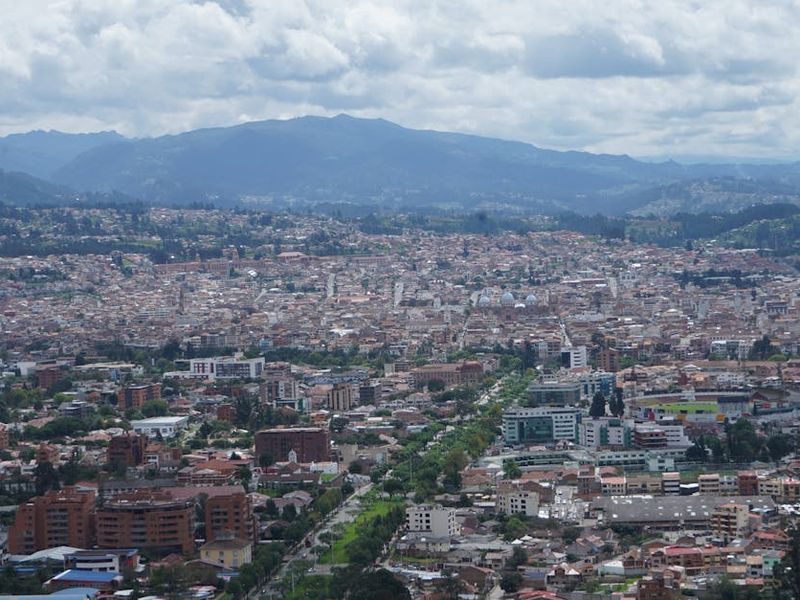
Cuenca sits in Ecuador’s southern highlands at about 2,560 meters (8,400 ft). That altitude gives the city remarkably steady, mild temperatures year-round, but the calendar still matters: rainfall patterns, local festivals, wildlife activity and trail conditions change with the months. Choosing the right time to visit influences what you’ll do each day — hiking in El Cajas, photographing colonial streets, shopping artisan markets, or joining a festival parade.
Quick overview: seasons and what they mean
Unlike many places with four clear seasons, Cuenca’s weather is best understood in two broad patterns: a wetter period and a drier period. Expect warm, sunny days and cool nights, with frequent microclimate variations across neighborhoods and nearby mountains.
- Dry season (roughly June–September): More predictable sunny days, ideal for hiking and outdoor photography. Peak tourist months fall here.
- Wet season (roughly October–May): Regular afternoon showers, lush landscapes, excellent bird activity and flowering plants. Some trails get muddy.
Month-by-month: what to expect and why you might choose each month
January
January tends to be warm and green after the intense rains of late year. The city is calmer after holiday crowds. Birdwatchers and nature lovers like this time because flowering plants are abundant and many species are active. Some days still have showers, so pack a lightweight rain jacket. Accommodation is often easier to find than in June–August.
February
February is Carnival season in Ecuador (dates vary year to year). In Cuenca you’ll see colorful street life and playful water fights in parts of the city — great if you want a cultural immersion. Expect variable weather: sunny mornings and possible showers in the afternoon. Book well ahead if you plan to attend Carnival events.
March–April
These are often the wettest months. The countryside is at its ripest green, waterfalls run full and mountain lakes are spectacular. For photographers and botanists this is a dream; for hikers, some trails may be slippery or temporarily inaccessible. Tourist numbers are lower and prices can be more favorable. If you don’t mind occasional heavy rain, this is an atmospheric time to visit.
May
May is transitional: showers start to ease toward the end of the month and the landscape remains lush. Local farmers markets brim with produce, and the city gears up for the high season. May can be a smart choice if you want the green landscapes of the wet season but fewer crowds than midyear.
June–August (Best for hiking and clear skies)
This is the traditional high season. Expect clearer skies, crisp mornings and chilly nights, ideal conditions for exploring Cajas National Park, Andean valley hikes, and enjoying scenic drives. Outdoor day trips — Ingapirca ruins, Gualaceo and Chordeleg artisan towns, or the panoramic viewpoint at Turi — are easier and more reliable. Because this is the most popular time, plan accommodation and guided tours in advance.
September
September stays generally dry with often bright skies and fewer tourists than peak summer months. It’s a great month for photography — the light is clear and dramatic — and for festivals or local events that sometimes take place as communities welcome the end of the dry season. Expect cool nights again.
October
October is a shoulder month: showers start to return, but the city is less crowded and prices drop. The landscape is preparing to burst into the lush, vibrant state seen in November and the following months. Birding and botany remain strong draws thanks to returning rains and blooming flora.
November (Independence celebrations)
Cuenca’s Independence Day on November 3rd brings parades, fireworks and local flavor. That combined with generally pleasant weather — often a mix of sunshine and occasional showers — makes November attractive for travelers who want a cultural focus. Book if you plan to be in the city for the holiday events.
December
December blends holiday-season energy with variable weather. Christmas and New Year bring festivities, but daytime weather can be quite mixed. December is a lively month to experience local markets, traditional foods and seasonal celebrations, though you should expect short bursts of rain.
Choosing the best month for your priorities
Pick the month that matches the experiences you want:
- Best for hiking & outdoor reliability: June–August (clear skies, stable trails)
- Best for botany & birdwatching: January–May & October–November (high plant and bird activity)
- Best for festivals and culture: February (Carnival), March/April (Semana Santa), November (Independence Day)
- Best for lower cost & fewer crowds: March–May and October
Practical travel tips by season
Dry season tips (June–September)
- Book hotels and guided tours early — this is peak travel season.
- Bring layers: sun during the day, chilly evenings and early mornings.
- Ideal time for long treks in El Cajas — water levels can be lower but trails are stable.
Wet season tips (October–May)
- Carry a compact rain jacket and waterproof shoes — afternoon showers are common.
- Plan outdoor activities for morning hours when skies are often clearer.
- If birdwatching, hire a local guide who knows the best microhabitats and hides.
Health and altitude considerations
At 2,560 meters, most visitors tolerate Cuenca’s altitude well, but some experience mild symptoms like headaches or fatigue. Take it easy on your first day: walk slowly, drink plenty of water, avoid heavy exercise and minimize alcohol. Local remedies such as coca tea are widely available and commonly used to ease altitude effects. If you have serious heart or respiratory conditions, consult a doctor before travel.
Packing checklist for any time of year
- Layered clothing: t-shirts, a warm fleece or sweater, and a light down jacket for cool evenings.
- Waterproof jacket and quick-dry clothing for rainy months.
- Sturdy walking shoes with good traction for cobblestones and muddy trails.
- Sunscreen and sunglasses: UV is strong at elevation even on cool days.
- Reusable water bottle, basic first-aid supplies, and altitude remedies if needed.
- Camera with spare batteries: clear dry-season light is excellent for photography.
Cultural calendar: festivals and local events worth timing your trip around
Cuenca offers several annual celebrations that can enrich a visit. Carnival (February) is playful and lively; Semana Santa (Holy Week, date varies) features elaborate processions and religious observances; Independence Day on November 3rd brings civic pageantry and fireworks. Local markets and artisan fairs happen year-round, and visiting Chordeleg and Gualaceo for jewelry and textiles is possible any month.
Outdoor highlights and when to visit them
Cajas National Park is a top day trip from Cuenca, with moorland, glacial lakes and dramatic vistas. For clear skies and safe trail conditions, go in the dry months (June–September). If you want lush photography and active birdlife, visit in the wet months when bogs and lakes are fuller. Ingapirca, the country’s largest Inca site, is accessible year-round but easier to explore in dry months.
Money, crowds and booking tips by season
Expect higher rates and fuller bookings in June–August and around major holidays. Shoulder months like May and October often offer lower prices and more availability while still providing good weather windows. If you’re traveling on a budget, aim for the wet season — you’ll encounter fewer tourists and better deals, but prepare for some rain. For festivals, book at least a few weeks in advance.
Day-to-day sample itineraries depending on season
Three-day dry-season (ideal for outdoor lovers)
- Day 1: Walking tour of the UNESCO historic center, visit the New Cathedral and Turi viewpoint at sunset.
- Day 2: Day trip to El Cajas National Park for hiking and lake photography.
- Day 3: Artisan towns (Chordeleg, Gualaceo) and Ingapirca ruins.
Three-day wet-season (culture and birding focus)
- Day 1: Markets and museums (Pumapungo Museum, Museo del Sombrero) — indoor-friendly activities.
- Day 2: Morning birdwatching tour on the valley edge; afternoon visit to a tea or coffee finca.
- Day 3: Local cooking class, artisan shopping and a relaxed evening at a café watching the world go by.
Final thoughts: balancing weather, crowds and experiences
There’s no single “perfect” month to visit Cuenca — the best time depends on what you want to do. If you crave clear hiking days and long scenic vistas, aim for June–September. If you’re drawn to lush landscapes, wildlife and lower prices, the wet months are a rewarding choice. For festivals and local color, plan around Carnival or the November Independence celebrations. No matter when you travel, Cuenca’s colonial charm, thriving cultural scene and access to stunning Andean landscapes make it a year-round destination.
Use this month-by-month breakdown along with your personal priorities — hiking, birding, festivals, or budget — to pick the ideal window. And once you arrive, slow down: Cuenca’s cobblestone streets, artisanal markets and plate of local food invite you to linger and savor the highland pace of life.