
Table of Contents
Why the Southern Sierra belongs on your Ecuador itinerary
The southern Highlands of Ecuador combine crisp mountain air, colonial charm, biodiverse cloud forests and laid-back villages — all within a few hours of one another. Cuenca offers UNESCO-listed architecture and modern services; Loja delivers a creative, musical soul and gateway access to Podocarpus National Park; Vilcabamba is the valley of long-livers and wellness retreats. Whether you’re an outdoor adventurer, culture-hungry traveler or expat scouting a new home base, this stretch of the Sierra has something to surprise you.
Quick orientation: towns, altitudes and travel times
Before you go, here’s a quick snapshot to help plan transport and acclimatization:
- Cuenca — altitude ~2,560 m (8,400 ft): a cool, spring-like climate year-round and the region’s service hub with international-standard clinics, museums and shops.
- Loja — altitude ~2,060 m (6,760 ft): lower and slightly warmer than Cuenca, Loja acts as the cultural capital of the south with strong musical traditions and access to cloud forests.
- Vilcabamba — altitude ~1,500 m (4,900 ft): a sheltered valley with a subtropical feel; famous for relaxed pace, alternative health centers and scenic hiking.
Travel times are manageable: Cuenca to Loja roughly 3–5 hours by bus or car depending on route; Cuenca to Vilcabamba about 3–4 hours by road (often via Loja). Flights to Cuenca arrive at Mariscal La Mar Airport (CUE), making it the easiest entry point by air.
Getting around: buses, cars, and practical tips
Intercity buses are the most economical way to travel between these towns. Terminals in Cuenca and Loja offer frequent services and comfortable mid-distance coaches. For more flexibility, renting a car lets you explore side roads, mountain passes and small villages, but be prepared for narrow, winding roads and occasional steep gradients.
Useful tips:
- Book longer-distance buses a day ahead during holiday periods. Terminals are safe, but keep an eye on luggage during stops.
- In cities, use registered yellow taxis (ask your hotel to call one) or local ride apps where available. Many hotels and restaurants will arrange transport for you.
- Driving at night through the mountain passes can be tiring and less safe — plan to arrive before dusk.
Cuenca — what to see, eat and where to stay
Cuenca is the region’s crown jewel: cobblestone streets, three rivers converging through the city and an elegant cathedral dominating Parque Calderón. Spend at least two full days to get a feel for the heart of the city.
Must-see highlights
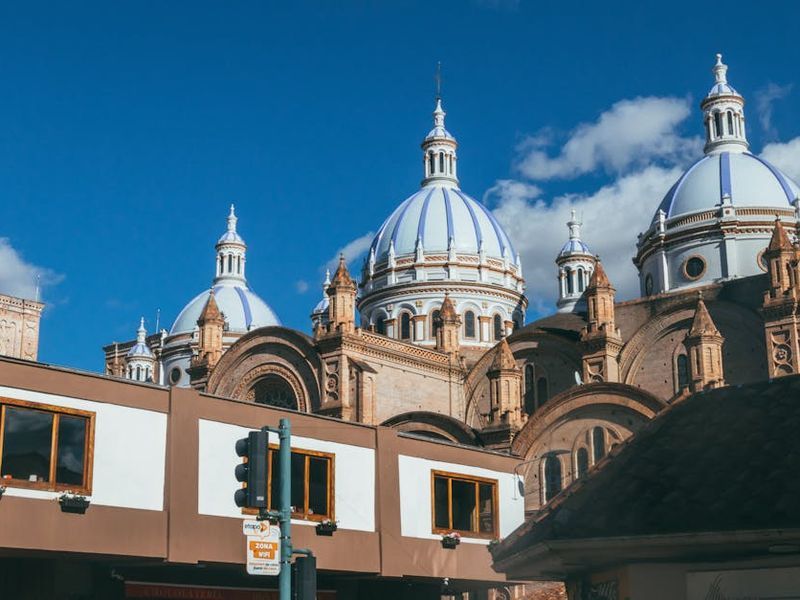
- Parque Calderón and the New Cathedral: Marvel at the sweeping plaza, the cathedral’s blue domes, and the surrounding colonial architecture.
- El Barranco and the Tomebamba riverfront: Walk the riverside paths for quiet views, colorful bridges and artisan shops.
- Museo Pumapungo: A compact but fascinating museum covering Pre-Columbian history plus archaeological ruins and gardens.
- Caja National Park (Parque Nacional Cajas): A 30–60 minute drive from Cuenca, famous for high-altitude lakes, trekking and birdwatching.
Food and markets
Cuenca’s food scene blends traditional Highland plates and fresh trout from surrounding lakes. Try:
- Hornado (roast pig) and caldo de gallina at local markets.
- Trucha frita (fried trout) at riverside restaurants near El Barranco.
- Helado de paila — an artisanal frozen treat often sold at plazas and markets.
Visit the central market for snacks and people-watching; it’s also a great spot to sample local fruit and traditional soups.
Practical Cuenca tips
- Cuenca uses the US dollar — carry small bills and coins for markets and taxis.
- Medical care is excellent for the region: the city has public and private hospitals and specialist clinics.
- Buy a toquilla (often called Panama) hat — many shops around the historic center sell authentic woven hats made in Azuay province.
Loja — music, cloud forest access and local culture
Loja is compact, with a strong artistic identity and coffee-shop culture. It’s quieter than Cuenca but serves as the gateway to Podocarpus National Park, a cloud forest paradise for birders and hikers.
What to do in Loja
- Enjoy live music and cultural nights — Loja proclaims itself Ecuador’s music capital and hosts many small concerts in plazas and cafés.
- Visit Podocarpus National Park — rich in endemic species and an excellent spot for birdwatching. Entry points vary by trailhead, and guided treks are recommended.
- Walk the central plazas to soak up local life and sample regional candies, coffee and artisan goods.
Accommodation in Loja tends to be more affordable than Cuenca, with comfortable guesthouses and small boutique hotels clustered near the center.
Vilcabamba — wellness, hiking and the myth of longevity
Vilcabamba sits in a sunken valley of lower elevation with warm days, cool nights and a village rhythm geared toward relaxation and holistic living. The town earned fame for centenarians living here, though the longevity claims are anecdotal and mixed; what’s real is the town’s focus on healthy food, outdoor activities and a slower pace.
Things to do in Vilcabamba
- Hike local trails — gentle routes offer waterfall views and panoramic valleys; guides can show you lesser-known paths.
- Explore the markets and small cafes — organic food, fresh juices and farm-to-table fare are local specialties.
- Visit wellness centers — yoga, massage and alternative therapies are plentiful, from drop-in classes to week-long retreats.
Vilcabamba is ideal for travelers wanting to decompress after city touring or as an extended stay for those seeking a health-focused lifestyle.
Suggested itineraries: 3, 7 and 10+ day plans
Three-day sampler
- Day 1: Arrive in Cuenca. Afternoon walking tour of Parque Calderón, cathedral and El Barranco. Evening: sample local cuisine.
- Day 2: Day-trip to Cajas National Park for short hikes and lake views; evening market visit.
- Day 3: Morning bus to Vilcabamba (via Loja) for a relaxed afternoon; explore town and enjoy a sunset walk.
Seven-day relaxed pace
- Days 1–3: Dive into Cuenca — museums, craft markets, a cooking class and a half-day trip to Ingapirca ruins (if interested in Incan sites).
- Days 4–5: Head to Loja. Spend time in Podocarpus with a guide and discover local music venues in the evenings.
- Days 6–7: Unwind in Vilcabamba — gentle hikes, wellness treatments and slow meals.
Ten-day exploration
Add more local experiences: artisan workshops around Cuenca, multi-day treks in Cajas, farm visits in Vilcabamba, and deeper birding or photography excursions around Podocarpus.
Safety, health and practical travel tips
Overall, the Southern Sierra is traveler-friendly, but a few sensible precautions go a long way:
- Altitude: Cuenca’s elevation is moderate; most visitors adapt quickly. If you plan high-elevation hikes (Cajas or other paramo areas), allow a day to adjust and stay hydrated.
- Health care: Cuenca offers good medical facilities and pharmacies. Carry basic medications and your health insurance info; many clinics accept international patients.
- Personal safety: Petty theft occurs in tourist areas — use a money belt or keep valuables secure. At night, stay in well-lit areas and use a registered taxi if possible.
- Money and cards: The currency is the US dollar. ATMs are widely available in Cuenca and Loja; smaller towns and markets prefer cash. Credit cards are accepted in many mid-to-upper-end establishments.
Local etiquette and cultural notes
Respectful interactions make travel richer. A few cultural pointers:
- Greet people with a handshake or one cheek kiss in more informal settings; use formal ‘usted’ when addressing elders or in professional contexts.
- Language: Spanish is dominant. Learning basic phrases will open doors; English is spoken in many tourist businesses in Cuenca but less so in smaller towns.
- Bargaining: It’s acceptable at artisan markets, but do so with a smile. Keep purchases in local markets to support small vendors.
Packing checklist and seasonal advice
Weather in the Southern Sierra is mild but changeable. Pack for layers:
- Light jacket, fleece and a waterproof shell — evenings cool off quickly even on sunny days.
- Comfortable walking shoes for cobblestone streets and trails.
- Sunscreen and sunglasses — higher UV at altitude can be strong.
- Reusable water bottle, small medical kit, and cash in smaller denominations.
Seasons aren’t extreme: the dry season (roughly June to September) brings more sunshine, while the rainy season (October–May) has afternoon showers. Both periods are fine for travel; just pack a waterproof layer for hiking.
Birding, hiking and nature escapes
If you’re into wildlife, this region is a treasure. Podocarpus National Park and the cloud forests around Loja support an incredible diversity of birds, butterflies and orchids. Cajas near Cuenca offers moorland scenery, lakes and highland species. Hire a local guide for the best birding experience (they know seasonal hotspots and can point out cryptic species).
Final tips for a smooth trip
Plan, but leave room for serendipity. Schedule key sights in Cuenca early in your stay, so you can relax and follow local recommendations once you’re on the ground. Use Cuenca as your logistics hub (airport access, medical services, eateries and artisan shopping) while treating Loja and Vilcabamba as deeper cultural and nature experiences. Whether you’re passing through or planning a longer stay, the southern Sierra rewards a curious traveler with memorable landscapes, warm people and a slower, restorative tempo.
Ready to go? Bring your walking shoes, an appetite for fresh trout and hornado, and a willingness to slow down — the Southern Sierra will do the rest.