
Table of Contents
Why Cuenca’s Calm Feels Different
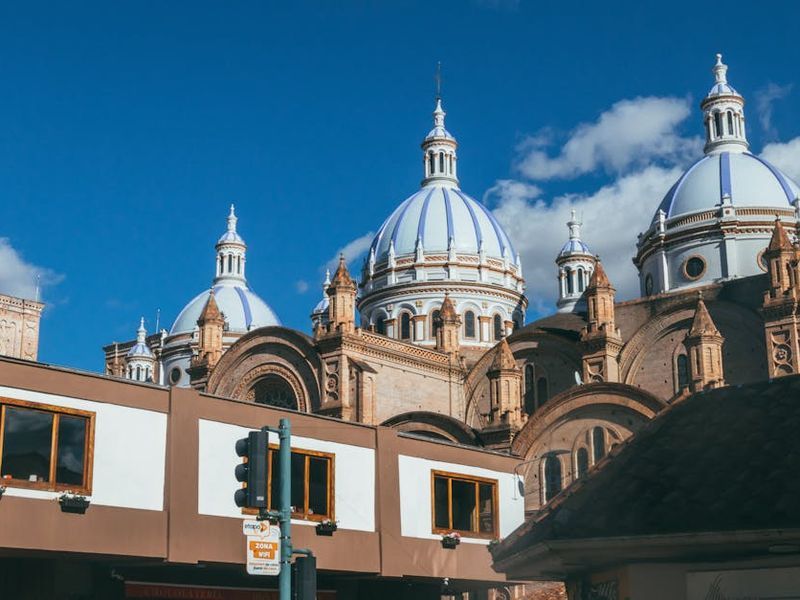
Cuenca is one of those cities that invites you to slow down. Perched in Ecuador’s southern highlands at roughly 2,560 meters, its tree-lined rivers, colonial plazas and blue-domed cathedral set a tone that nudges residents toward a quieter daily rhythm. For newcomers used to a fast-paced city life, this unhurried atmosphere can be a relief — or a frustration. The good news is that with a few practical adjustments you can not only live comfortably here but actually enjoy the slower tempo.
Understand the Local Tempo: What ‘Relaxed’ Really Looks Like
The relaxed lifestyle in Cuenca isn’t laziness; it’s a different set of priorities. Long lunches, lingering conversations over coffee, and late-afternoon strolls along the Tomebamba River are common. Shops and services may close during midday for a break, chains open longer but small businesses often keep traditional hours. Public life centers around plazas and markets rather than office towers, which means the city hums gently rather than roars.
How to avoid culture shock
Expect small delays, less urgency in customer service, and a conversational warmth that can feel intimate. Prepare by shifting expectations: schedule less tightly, leave buffer time in plans, and practice patience. This mental switch reduces frustration and helps you enjoy the local pace.
Make the City Work for You: Practical Daily Tips
Adapting practically will make the difference between feeling stalled and feeling settled. Here are concrete tweaks that help.
- Embrace layers: Cuenca’s climate is famously “eternal spring.” Days can be warm in the sun and chilly in the shade. Always carry a light jacket and a compact umbrella for sudden drizzle.
- Plan around siesta-style hours: Many small shops and family-run offices close for a few hours after lunch. If you need paperwork done, go in the morning or late afternoon.
- Use taxis or ride apps for convenience: Taxis are inexpensive and plentiful — agree on a fare or ensure the meter is used. Rideshare apps are available but not universal, so have cash ready.
- Choose a central base: Living near the historic center (around Parque Calderón and the Catedral Nueva) makes walking to markets, cafes and doctors easy and helps you soak up social life.
Choose the Right Neighborhood
Neighborhood choice affects how quickly you acclimate. The historic center is lively and walkable, with easy access to cultural events, shops and cafes. San Sebastián, with its cobbled streets and artisan shops, offers local color and views. For quieter, residential life, consider neighborhoods a bit farther out where parks and longer walks are the norm. Spend time exploring on foot before committing to an apartment.
Food, Markets and the Joy of Slow Meals
Cuenca’s food scene rewards a slower pace. Local markets, riverside cafes and family-run restaurants serve dishes that reflect Andean traditions. Learn the names of staples like mote (hominy), locro de papa (creamy potato-and-cheese soup) and hornado (slow-roasted pork). Don’t miss helados de paila — artisanal ice cream made by hand in a metal pan — sold in plazas.
Where to shop and eat
Weekly and daily markets are where locals buy fresh fruit, vegetables and regional cheeses. Shopping at mercados is cheaper and social; vendors often know regulars by name and expect friendly small talk. If you enjoy cooking, buy produce locally and reserve trips to supermarkets for specialty or imported items.
Build Routine Without Losing Flexibility
One of the best ways to adapt is to keep a simple routine that honors Cuenca’s rhythm. Aim for:
- Morning errands and appointments
- Long, relaxed lunches or café time in the early afternoon
- Evening walks along the Tomebamba or visits to a plaza
Routines anchor you but leave room for spontaneous discoveries like an artisan fair at a neighborhood church or a pop-up music performance.
Get Social: Make Local Friends, Join Groups
Making friends accelerates feeling at home. Start small: language exchanges, volunteer opportunities, community art classes, or guided city tours. Expat meetups exist, but befriending locals is the fastest route to cultural integration. People in Cuenca are often warm and curious — a few smiles and attempts at Spanish go a long way.
Language tips
Spanish is essential for everyday life. Even basic conversational skills will increase your independence and deepen connections. Sign up for a local language school, practice with neighbors, or join informal tandems (language exchange meetups). Keep a pocket notebook of useful phrases and local vocabulary related to markets, transport and bureaucracy.
Healthcare and Wellbeing
Cuenca offers solid healthcare options — both public hospitals and private clinics — and many medical professionals trained in major Ecuadorian universities. For long-term residents, having comprehensive health insurance or a plan that covers private care will reduce stress. Pharmacies are widespread and commonly stocked, though for certain medications you may need a doctor’s prescription.
Staying active
Take advantage of outdoor life: morning walks on the river path, weekend hikes to Mirador de Turi for panoramic views, and regular visits to neighborhood parks. Many residents find that walking, joining a gym, or taking dance or yoga classes integrates physical activity with social life.
Practicalities: Banking, SIM Cards, and Utilities
Understanding systems up front helps you avoid friction.
- Currency: Ecuador uses the U.S. dollar. Cash remains common for markets and taxis, though cards are widely accepted in larger businesses.
- SIM cards and internet: Major providers have decent coverage in the city. Prepaid SIMs are easy to buy at kiosks and stores; you’ll need identification. Many cafes and coworking spaces offer reliable Wi-Fi.
- Banking: ATMs are reliable in the center; opening a local account is easier once you have residency or a local ID. For longer stays, research bank requirements ahead of time.
- Utilities: Water, electricity and garbage services are stable in most neighborhoods. Waste collection and recycling may differ by street — ask neighbors what day services run.
Make Peace with Slower Bureaucracy
Official procedures — permits, residency paperwork, and some municipal services — can take time. Patience and persistence are essential. Bring copies of documents, ask for a checklist, and follow up politely. Local expat forums and bilingual attorneys can help decode the process and point you to the right offices.
Find Ways to Fill Quiet Hours
If the relaxed pace ever feels too quiet, build rituals that energize you. Consider part-time volunteering (museums, schools, community gardens), enrolling in art or cooking classes, or forming a walking group. Cultivating interests gives structure to your days and deepens local ties.
Respect Local Customs and Social Norms
Cultural sensitivity goes a long way. People in Cuenca value politeness, family ties and small courtesies. A friendly greeting, a quick phrase in Spanish, and an openness to local traditions will earn you goodwill. Small gestures — like carrying reusable bags, greeting market vendors by name, and dressing modestly for religious events — make everyday life smoother.
Navigating Safety with Common Sense
Cuenca is generally safe by Latin American standards, but like any city, petty theft occurs. Common-sense precautions help: keep valuables out of sight, be aware in crowded markets or bus stops, and avoid poorly lit or isolated streets at night. Trust your instincts and ask neighbors about areas to avoid after dark.
Enjoy the Benefits of Slowness
Once you accept the tempo, life in Cuenca offers rewards many newcomers treasure: time to savor a long coffee, opportunities to walk without rushing, and meaningful connections made in parks, markets and plazas. This city encourages a life that values presence over productivity — and for many, that becomes the biggest benefit of all.
Final tips for a smooth transition
- Start with a short exploratory stay before relocating permanently.
- Learn basic Spanish and use it every day.
- Establish a local routine that balances errands, social time, and relaxation.
- Lean on both expat and local communities to learn practical shortcuts.
- Be curious: attend a local festival, try regional dishes and explore different neighborhoods on foot.
Adapting to Cuenca’s relaxed lifestyle is less about changing who you are and more about allowing a different rhythm to shape your days. With a handful of practical habits and an open attitude, you can turn initial friction into a rewarding new pattern — one where afternoons are for conversations, evenings for river walks, and life unfolds at a pace that lets you notice the small things.