
Table of Contents
Why regular dental check-ups matter — beyond just a bright smile
Routine dental visits do more than polish teeth. They detect early signs of decay, gum disease, oral cancer, and systemic health issues that show up in the mouth. For expats living in Cuenca, scheduling regular check-ups keeps you adaptable and healthy in a new environment — catching small problems before they become expensive, time-consuming emergencies.
How often should you see a dentist in Cuenca?
Standard recommendations are a good starting point, but your dentist may tailor the schedule to your needs:
- Adults with low risk: dental cleanings and exams every 6 months.
- People with gum disease or high cavity risk: every 3–4 months for periodontal maintenance.
- Children: first dental visit by their first birthday or when the first tooth appears, then check-ups every 6 months unless advised otherwise.
- Older adults or those on medications causing dry mouth: more frequent visits to monitor root decay and gum health.
If you experience pain, swelling, bleeding gums, or a loose tooth, see a dentist immediately — these are signs that early treatment is needed.
What to expect during a check-up in Cuenca
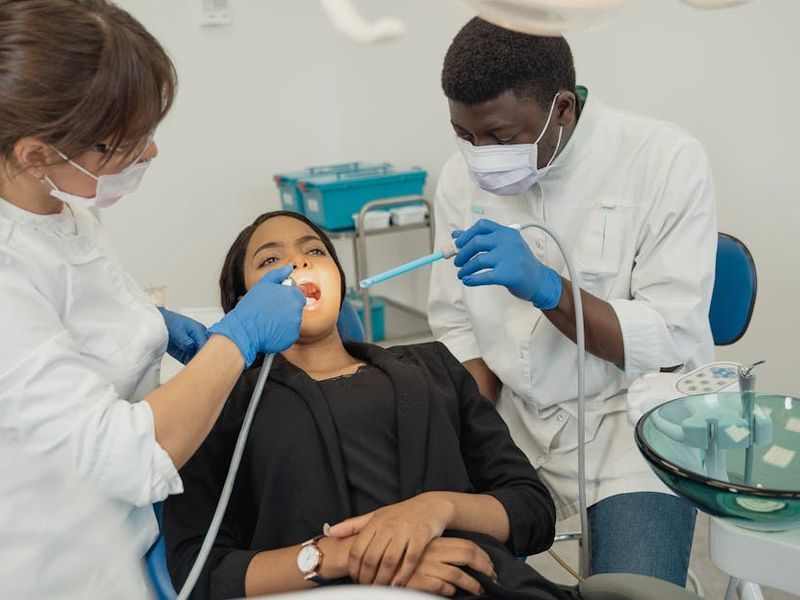
A typical visit includes a visual exam, dental cleaning (prophylaxis), and often an update of X-rays. Many clinics in Cuenca use digital X-rays and intraoral cameras so you can see what the dentist sees. Expect the appointment to cover:
- Medical and dental history review — important if you recently moved to Ecuador or changed medications.
- Oral cancer screening — inspection of the tongue, cheeks, palate, and throat.
- Periodontal charting — measuring pocket depths if gum disease is suspected.
- Cleaning and polish, with instructions for home care and preventive treatments like fluoride or sealants if needed.
Typical dental services you’ll find in Cuenca and ballpark costs
Cuenca has many private dental clinics offering comprehensive care from routine hygiene to advanced implant work. Prices are generally lower than in the U.S. and Canada, which is one reason international patients come here for dental work. Typical cost ranges (USD) you might see in Cuenca are:
- Routine cleaning: $20–$40
- Single filling (composite): $30–$80
- Digital X-ray (per image) or panoramic X-ray: $10–$60
- Root canal (anterior to molar): $150–$400 depending on tooth and complexity
- Crown (metal-ceramic or ceramic): $200–$600
- Dental implant (including crown): $800–$1,500 depending on implant brand and components
These are ballpark ranges; always request an itemized treatment plan and compare a few clinics. Prices can vary with materials, lab fees, and whether a clinic includes post-op visits.
Finding a dentist in Cuenca — practical tips for expats
Cuenca’s clinics are concentrated in neighborhoods near the historic center, along streets like Calle Larga, and in modern medical corridors. To find a reputable dentist:
- Ask fellow expats — local Facebook groups and expat forums are excellent resources for personal recommendations.
- Check Google and Facebook reviews, and look for before-and-after photos that show consistent quality.
- Contact the Colegio Odontológico local chapter (Colegio Odontológico de Azuay) to verify licensure if you want official confirmation of credentials.
- Look for clinics that use digital records, have an on-site lab or a consistent dental laboratory partnership, and can provide treatment guarantees in writing.
Many clinics welcome English-speaking patients and some advertise bilingual staff. If language is a concern, ask whether they offer translation or bring a Spanish-speaking friend.
Emergency dental care and after-hours options
Dental emergencies happen — cracked tooth, sudden pain, swelling, or a lost crown. For urgent issues:
- Call your dentist first; many Cuenca clinics reserve same-day slots for emergencies.
- If you can’t reach a private dentist, the emergency departments at local hospitals can provide temporary relief and antibiotics for infections.
- Carry an emergency kit: temporary filling material (available at pharmacies), dental cement for lost crowns, ibuprofen, and the dentist’s phone number saved on your phone.
Choosing the right clinic: what questions to ask
Before committing to major treatment, ask these questions to evaluate a clinic:
- What sterilization protocols do you use? (Look for autoclave use and single-use disposables.)
- Which dental implant brands and materials do you use, and is the lab local or outsourced?
- Can you provide a written estimate and a treatment timeline?
- Do you offer follow-up care or coordinate with a referring dentist if I travel during treatment?
- Is there a warranty for restorative work, and what does it cover?
Get answers in writing and keep copies of all X-rays and records. They’re useful if you move or seek a second opinion.
Insurance, payment, and saving strategies
Many expats in Ecuador pay out-of-pocket for dental care because dental coverage in local health plans can be limited. Practical payment tips:
- Cuenca uses the U.S. dollar, which makes costs predictable for North American expats.
- Ask if clinics accept credit cards, cash, or bank transfers. Some offer discounts for cash payment.
- If you have international or private health insurance, confirm whether dental services are covered and what documentation is required for reimbursement.
- Combine appointments: do routine cleanings and minor restorative work in one trip to save on consultation and travel time.
For major procedures like implants, request a full cost breakdown and consider staging the work to spread out expenses.
Prevention: what you can do at home in Cuenca
Prevention reduces visits and keeps long-term costs down. Simple steps that matter:
- Brush twice daily with fluoride toothpaste and use an electric toothbrush if possible — they remove plaque more effectively.
- Floss daily or use interdental brushes; these are widely available at Cuenca pharmacies and supermarkets.
- Cut down on sugary snacks and sticky foods, and avoid tobacco — smoking worsens gum disease and complicates implant healing.
- Stay hydrated; mountain-air cities like Cuenca can be dry, which makes dry mouth more likely — chew sugar-free gum with xylitol to stimulate saliva if needed.
- Visit the dentist for a check-up at least every six months.
Special considerations for children and seniors
Children: Early dental visits help establish good habits. Many Cuenca pediatric dentists friendly with English-speaking families focus on prevention — fluoride varnishes, sealants, and parent education.
Seniors: Medications, systemic conditions, and reduced manual dexterity change oral care needs. Denture wearers should have regular assessments for fit and hygiene. If you take blood thinners or have heart conditions, inform your dentist and bring written medical details.
Dental tourism and major treatments — planning your trip
Some expats schedule major dental work while traveling, either staying in Cuenca or traveling to larger cities. If you plan to receive crowns, implants, or full-mouth restorations in Cuenca:
- Plan multiple visits: implants often require staging (placement, healing, abutment, crown), which can span 3–6 months.
- Confirm the service guarantees and what happens if there’s a complication once you return home.
- Coordinate with your local dentist back home; share records and X-rays to ensure continuity of care.
Common myths debunked
Myth: “If my teeth don’t hurt, I don’t need a dentist.” False — many issues like gum disease and early decay are painless initially. Myth: “Dental X-rays are dangerous.” Modern digital X-rays use very low radiation; the diagnostic value outweighs the minimal risk when used appropriately.
Final checklist for your next Cuenca dental visit
- Bring identification, your medical history, and any recent X-rays or dental records.
- Ask for a written estimate and treatment plan with timelines.
- Confirm sterilization standards and available emergency contact numbers.
- Verify language support or bring a translator if necessary.
- Schedule follow-ups before you leave the clinic to lock in convenient appointment times.
Conclusion — making dental care part of your Cuenca life
Regular dental check-ups are a practical investment in your health and quality of life — whether you’re a new arrival in Cuenca or a long-term resident. The city offers skilled dentists, modern clinics, and affordable care compared with many countries, but you’ll get the best results by choosing a reputable clinic, keeping up with preventive home care, and addressing issues early. With a little planning, language preparation, and an honest conversation with your dentist, you can maintain a healthy smile and confidently enjoy life in Cuenca.