
Table of Contents
Why Cuenca Is Becoming the World’s Favorite Dental Vacation Spot
For retirees who want outstanding dental care without breaking the bank, Cuenca, Ecuador has quietly become a top global destination. Between dramatic cost savings, top-tier dentists trained at respected universities, modern clinics with advanced technology, and a recovery-friendly environment, Cuenca checks every box for dental tourism — especially for dental implants, crowns, and veneers.
Massive Savings Without Compromising Quality
One of the most powerful reasons retirees choose Cuenca is the cost advantage. Expect savings of roughly 60–70% compared with typical prices in the U.S. and Canada. To put that in perspective:
- Single dental implants that can cost $3,000–$5,000 in North America are often priced between $700–$1,500 in Cuenca.
- Porcelain crowns that may run $800–$1,500 at home can cost $200–$400 here.
- Veneers that are $900–$2,500 in the U.S. frequently fall in the $200–$500 range in Cuenca.
Those ranges give retirees the breathing room to upgrade materials, choose zirconia or ceramic options, or combine multiple procedures into a single trip — turning expensive dental work into an achievable plan without sacrificing material quality or clinical standards.
World-Class Dentists Trained at Top Institutions
Cuenca’s dental professionals often hold degrees from Ecuador’s leading universities and advanced training from international programs. Many dentists regularly participate in continuing education, international conferences, and implant-training courses. Clinics catering to medical tourists frequently employ specialists in prosthodontics, periodontics, endodontics, and oral surgery — giving retirees access to a full team rather than a single general dentist.
When choosing a provider, retirees can request diplomas, certificates, and course listings. Many clinics will gladly share details about the dentist’s training, implant systems used, and before-and-after case portfolios.
Modern Clinics and Cutting-Edge Technology
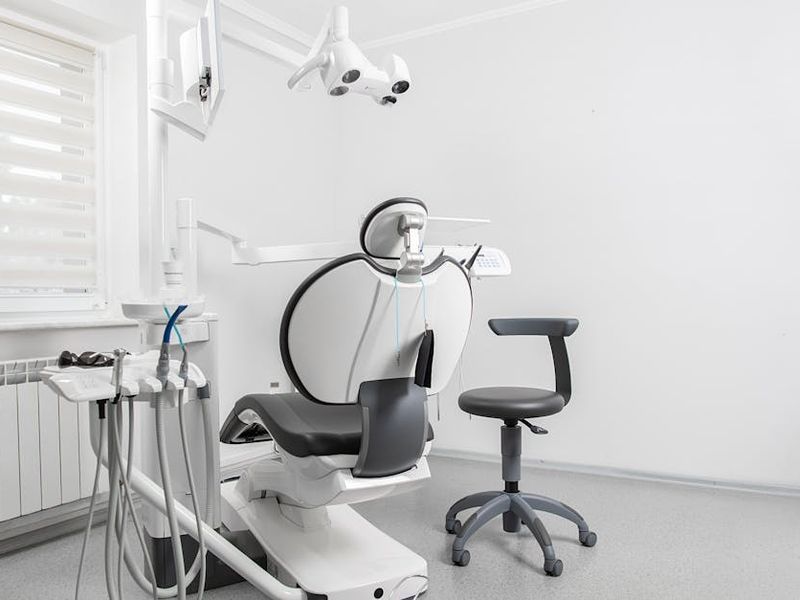
Don’t let the price tag mislead you: dental clinics in Cuenca feature contemporary design and technology. Many facilities have in-house digital X-rays, cone beam CT (CBCT) scanners for 3D imaging, CAD/CAM systems like CEREC for same-day crowns, and sterilization protocols consistent with international standards.
This level of technology means faster diagnostics, more predictable implant planning, and the option for immediate restorations in suitable cases — a huge advantage for retirees who prefer fewer trips and shorter overall treatment timelines.
Short Wait Times and Personalized One-on-One Care
Compared with long waits for specialists at home, Cuenca offers rapid scheduling and efficient treatment pathways. Many clinics provide same-week consultations and can often start implant treatment within days. Retirees value the personalized attention: appointments are longer, clinicians explain procedures thoroughly, and follow-up care is attentive and hands-on.
Smaller patient volumes and family-style clinics contribute to continuity of care. You’re more likely to see the same dentist across all stages of treatment, which builds trust and reduces the anxiety that comes with complex dental work.
The Ideal Recovery Environment: Cuenca’s Climate and Comfort
Cuenca’s mild, spring-like climate and relaxed pace of life make it an excellent place to recover. Sitting at about 2,560 meters (8,400 feet), the city offers cool, comfortable days and crisp evenings — ideal for resting after implant surgery or crown preparation. Retirees can rest in boutique hotels or furnished apartments a short walk from historic plazas and serene riverside promenades.
Imagine waking up to views of the Tomebamba River, taking gentle walks in tree-lined parks between follow-up appointments, or enjoying nutritious Ecuadorian cuisine while your mouth heals. The city’s tranquility and safety record help make recovery less stressful than it might be in a busy tourist megaplex.
Combine Dental Work with a Memorable Vacation
Dental tourism in Cuenca isn’t just practical; it can be delightful. Many retirees plan a dental vacation that balances procedure days with sightseeing and relaxation. Highlights include:
- Exploring the UNESCO-listed historic center with its colonial architecture and artisan markets.
- Day trips to Cajas National Park for easy hikes and scenic drives.
- Sampling local coffee and traditional Ecuadorian meals at neighborhood cafes.
- Visiting museums, churches, and weekend craft markets for souvenirs.
Clinics often coordinate with local lodging providers and can recommend sensible activity schedules — light walking and low-impact outings during early recovery, with more active excursions once healing is confirmed.
Types of Procedures Popular with Retirees
Retirees typically seek treatments that restore function and confidence. In Cuenca, the most popular procedures are:
- Dental implants: single tooth implants, implant-supported bridges, and All-on-4/All-on-6 full-arch solutions.
- Crowns: porcelain, zirconia, and hybrid ceramic crowns to restore decayed or damaged teeth.
- Veneers: aesthetic porcelain or composite veneers for smile makeovers.
- Bone grafts and sinus lifts: available for patients who need implant site preparation.
Many clinics offer comprehensive treatment plans combining these procedures, which is particularly useful for retirees aiming for full-mouth rehabilitation at a fraction of the cost abroad.
Practical Tips: Planning Your Dental Vacation to Cuenca
Preparation makes the dental vacation experience smooth and stress-free. Here are practical steps and tips retirees should follow:
- Gather your dental records and X-rays ahead of time. Many Cuenca clinics accept emailed records for pre-evaluation.
- Schedule a virtual consultation before traveling. This helps clinics estimate treatment time, confirm candidacy for implants, and provide a cost estimate.
- Plan for multiple visits if needed. While many single implants and crowns can be done in one visit, more extensive implant surgeries may require staged appointments and healing time (often 2–4 months for conventional implants, though immediate-load options are available).
- Ask about materials and brands. Reputable clinics will use recognized implant systems and quality lab materials; don’t hesitate to ask for specifics.
- Check for English-speaking staff. Many clinics have bilingual teams who cater to international patients and can coordinate lodging and transport.
- Purchase travel insurance that covers medical or dental complications if possible, and note that many U.S. insurances do not cover elective dental work abroad.
What to Expect: Timeline & Recovery
Understanding timelines helps retirees manage expectations. A typical journey might look like this:
- Initial virtual consult and travel planning: 1–3 weeks.
- First in-person visit: detailed exam, digital scans, treatment plan — often completed in 1–3 days.
- Surgery (implant placement): 1 day; follow-up visits in the first week to ensure initial healing.
- Healing time: 8–16 weeks for osseointegration in traditional implants; some clinics offer immediate provisional restorations when clinically appropriate.
- Final restoration (crowns or bridge on implants): 1–3 days once healing is confirmed.
For crowns and veneers alone, many patients are finished in one short trip, especially when CAD/CAM technology is used for same-day results.
Safety, Accreditation, and How to Choose a Clinic
Safety and trust are top concerns for retirees. To choose a clinic confidently, verify the following:
- Credentials and continuing education of dentists and specialists.
- Use of modern sterilization and infection-control practices.
- Availability of diagnostic tools like CBCT scans and digital impressions.
- Transparent pricing with a clear breakdown of materials, lab work, and follow-up visits.
- Patient testimonials and before-and-after photos from recent cases.
Many clinics welcome references from previous international patients and can provide detailed treatment timelines and post-op care instructions. Some even provide airport pickup, interpreter services, and recommended lodging packages for retirees seeking a stress-free experience.
Language, Culture, and Daily Life in Cuenca
English is widely spoken in the medical and tourist sectors of Cuenca, and many retirees find communication with dental teams straightforward. The city’s welcoming expat community makes it easy to find English-speaking hosts, guides, and neighbors.
Daily life in Cuenca supports a relaxed recovery: local markets sell fresh fruits and nutritious foods ideal for healing, pharmacies are well stocked, and local clinics provide affordable follow-up care. The city’s cultural calendar — live music, artisan fairs, and small festivals — adds a pleasant backdrop for a restorative visit.
Costs Beyond the Dental Chair: Travel, Lodging, and Meals
The overall affordability of a dental vacation in Cuenca extends beyond cheap procedures. Retirees typically find:
- Comfortable mid-range hotels or furnished apartments for $30–$80 per night.
- Delicious meals at local restaurants for $4–$15.
- Reasonably priced domestic flights from Quito or Guayaquil or direct regional flights depending on season.
When you factor in these savings alongside the price of dental work, the total value becomes compelling — retirees can enjoy high-quality care, comfortable stays, and a charming city environment at a fraction of what they’d pay elsewhere.
Realistic Expectations and Final Advice
Cuenca offers an unbeatable combination of value, quality, and ambiance, but realistic planning matters. Bring realistic timelines for healing, budget for follow-up visits, and keep communications open with your home dentist if you plan shared care. For complex restorations, ask your Cuenca dentist about long-term maintenance and warranties for work performed.
Finally, consider scheduling your dental vacation during the city’s shoulder seasons to enjoy pleasant weather, fewer crowds, and more flexible appointments. With thoughtful planning, you can walk away from your trip with a healthier mouth, a brighter smile, and memories of a beautiful Andean city.
Conclusion: Why Retirees Keep Coming Back
Retirees choose Cuenca for dental implants, crowns, and veneers because it delivers what matters most: significant cost savings without sacrificing expertise or technology, fast scheduling and personalized care, and a peaceful, restorative setting for recovery. Whether you need a single crown or a full-arch rehabilitation, Cuenca makes premium dental care accessible — and turns necessary procedures into an enjoyable dental vacation. If you’re planning dental work in retirement, Cuenca deserves a top spot on your shortlist.
Quick Checklist Before You Book
- Obtain recent dental X-rays and medical history.
- Book a virtual consultation with your chosen Cuenca clinic.
- Check materials, brand names, and warranties.
- Plan for post-op recovery time and local follow-up.
- Reserve lodging near the historic center for easy access to clinics and gentle walks during healing.
Choose well, plan carefully, and enjoy the unique combination of clinical excellence and Andean charm that makes Cuenca one of the best places in the world for dental tourism and dental vacations.