
Table of Contents
Why Cuenca Is a Popular Choice for Dental Care
Cuenca, Ecuador, has become a hub for expats and medical travelers seeking quality dental care at lower prices than in the U.S. and Canada. The city’s pleasant climate, well-established private clinics, and a growing number of bilingual dentists make it attractive for both small treatments and major restorative work. In this guide we’ll walk through the most common procedures you’ll encounter, realistic cost ranges, timelines, and practical tips to get the best outcome while you’re here.
The Dental Landscape in Cuenca: Clinics, Neighborhoods, and Standards
Dental clinics in Cuenca are concentrated near the historic center around Parque Calderón, in commercial corridors along Avenida de las Américas, and in neighborhoods close to private hospitals in the southeastern part of the city. Many clinics cater specifically to foreigners with English-speaking staff, online consultations, and international payment options.
Most reputable clinics follow international sterilization protocols—autoclaves, disposable items where appropriate, and digital X-rays—but always ask before any procedure. You can verify credentials through the local dentists’ association (Colegio de Odontólogos del Azuay) and by checking online reviews from other expats.
Common Preventive and Minor Treatments
These are the most typical, low-risk procedures that many visitors have done quickly while staying in the city.
- Routine cleaning (Profilaxis): Scaling and polishing to remove plaque and tartar. Expect a digital X-ray if it’s a first visit. Typical cost: $25–$60. Time: 30–60 minutes.
- Dental exam and X-rays: Comprehensive initial assessment with bite-wing or panoramic X-rays. Cost: $20–$60 depending on the type of X-ray.
- Fillings (Composite): Tooth-colored resin fillings for cavities. Cost: $30–$120 per tooth depending on size and location. Time: 30–90 minutes.
- Tooth extraction: Simple extractions are quick; surgical or impacted teeth take longer. Cost: $30–$150 for simple extractions; surgical extractions $100–$350.
Root Canals, Crowns and Bridges—Restorative Care
Major restorative treatments are commonly sought by expats who want to fix long-standing problems at a fraction of North American prices. Cuenca dentists typically offer high-quality materials and often partner with local labs to fabricate crowns and bridges.
- Root canal therapy: Modern rotary instruments and digital imaging are common. Single-rooted teeth: $150–$300; multi-rooted: $250–$450. Time: one to two visits, sometimes with a temporary filling.
- Crowns: Options include porcelain-fused-to-metal (PFM), full ceramic, and zirconia. Costs: $250–$600 per crown. Turnaround from lab: usually 1–3 weeks unless the clinic uses a milling machine for same-day crowns.
- Bridges: Replaces one or more missing teeth. Cost varies widely—$600–$1,500 depending on materials and span.
Dental Implants and Advanced Reconstructive Procedures
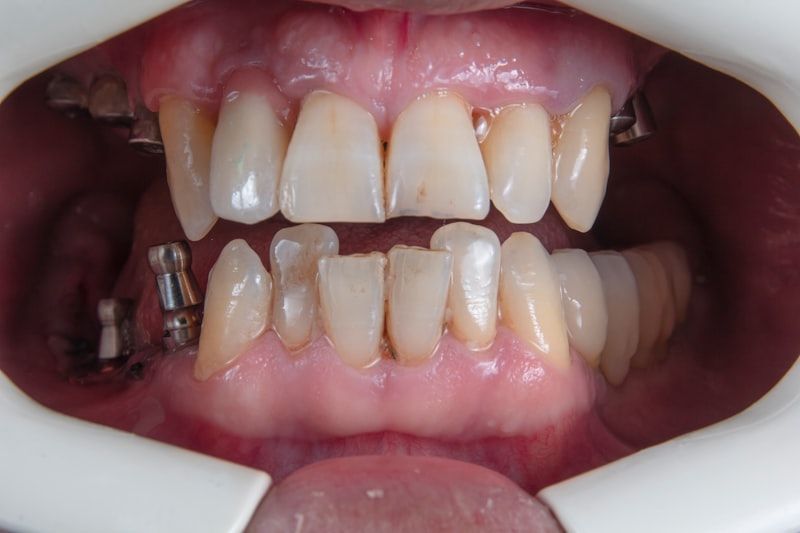
Implants are one of the more sought-after treatments among dental tourists. Cuenca clinics perform a large number of implant cases using well-known implant systems; ask about the brand and the implant components.
- Single implants: Implant post + abutment + crown. Typical total cost: $900–$2,000 depending on brand and materials. Timeline: 3–6 months for osseointegration, sometimes shorter with immediate loading protocols.
- All-on-4 / Full-arch solutions: These can be cost-effective alternatives to removing all teeth and placing a fixed prosthesis. Costs vary widely—$6,000–$12,000+—and will depend on the number of implants, materials, and whether bone grafting is required.
- Bone grafts and sinus lifts: Often needed when teeth have been missing for a long time. Costs: $200–$900 for bone grafting procedures and $400–$1,200 for sinus lifts, variable depending on extent and materials.
Cosmetic Treatments: Veneers, Whitening, and Orthodontics
Cosmetic dentistry in Cuenca includes modern options at more accessible prices than in many countries. Dentists routinely use digital smile design software to plan veneers and aesthetic restorations.
- Dental veneers: Porcelain veneers are a popular option for smile makeovers. Expect $200–$500 per veneer. Composite veneers are cheaper but less durable.
- Teeth whitening: In-office whitening typically costs $120–$300. Take-home trays made by the clinic are also common.
- Orthodontics: Traditional braces range from $900–$3,000. Clear aligners (local labs or international brands) vary more widely—$1,200–$4,000 depending on brand and treatment complexity.
Children’s Dentistry and Periodontal Care
Family dentistry services are widely available. Pediatric dentists handle routine child care, extractions, and preventive sealants. Periodontal treatments range from deep cleanings (scaling and root planing) to surgical interventions for advanced gum disease.
- Deep cleaning (scaling & root planing): Cost per quadrant: $50–$150. Several sessions may be required.
- Pediatric care: Fluoride treatment and sealants are inexpensive; expect to pay $20–$100 for most routine pediatric services.
Practical Tips for Getting Dental Work Done in Cuenca
Follow these practical steps to maximize safety, value, and your chances of a smooth recovery:
- Bring your dental history: X-rays, notes from previous dentists, and a list of medications help local dentists plan efficiently.
- Request digital records: Digital X-rays and intraoral photos are standard in many clinics; ask for copies to keep in your files.
- Ask about brands and materials: For implants and basic restorative components, ask the clinic to tell you the brand (e.g., Nobel, Straumann, or other international/regional brands) and material (titanium, zirconia, E-max).
- Get a written treatment plan: Include estimated costs, the number of visits, procedures, and any guarantees or warranties.
- Compare multiple clinics: Seek at least two opinions for major procedures. Most dentists will provide a diagnosis and a digital estimate.
- Plan for follow-up: Implants and crowns often require multiple visits or follow-up checks—factor that into your travel plans or confirm whether the clinic offers remote follow-up.
Aftercare and Recovery—What to Expect
Recovery times vary based on the procedure. Simple fillings and cleanings usually have no downtime. Extractions and surgical procedures may require a few days of soft-food diet and over-the-counter pain relief such as ibuprofen. Implants and bone grafts require stricter care and longer healing. Below are practical aftercare tips:
- Follow the clinic’s instructions about antibiotics and analgesics; bring any prescribed medicines with you if you have allergies or special needs.
- Avoid smoking for at least a week (longer for implants and grafts) to improve healing.
- Use salt-water rinses as advised, and avoid hard or crunchy foods during the initial healing phase.
- Elevate your head while sleeping after extractions or major oral surgery to reduce swelling.
Costs and Payment: What You Should Know
Costs in Cuenca are significantly lower than in many high-income countries, but prices vary by clinic reputation, materials, and practitioner experience. Most clinics accept cash (USD is Ecuador’s currency), debit/credit cards, and bank transfers. Some offer financing or staged payment plans for larger treatments.
Always ask whether the quoted price includes lab fees, temporary restorations, or follow-up care. For implants and crowns especially, request a breakdown: implant fixture, abutment, crown, and lab costs.
Language, Communication & Cultural Tips
English is commonly spoken in expat-focused clinics, but not everywhere. Learning a few dental Spanish phrases can help during appointments and emergencies:
- “Tengo dolor aquí” — I have pain here.
- “Necesito una limpieza / empaste / implante” — I need a cleaning / filling / implant.
- “¿Cuál es el costo total y cuántas visitas son necesarias?” — What is the total cost and how many visits are required?
- “¿Qué marca de implante usan?” — What brand of implant do you use?
Be friendly and direct. Many dentists appreciate patience and clear questions—good communication leads to better outcomes.
Dental Emergencies in Cuenca
If you have an urgent issue—severe pain, swelling, or a knocked-out tooth—contact a clinic immediately. Many dentists reserve some slots for emergencies. For knocked-out permanent teeth, quick action matters: rinse and reposition the tooth if possible, or keep it moist in milk or saline and get to a dentist as soon as possible.
Hospitals with dental departments and larger clinics can manage severe infections. Having travel insurance with medical evacuation coverage and a local emergency contact is helpful if you’re visiting for treatment and have complex medical history.
Making the Most of Your Visit: Timelines and Travel Logistics
Plan your trip according to the procedure’s timeline. For example, a crown usually requires two visits spaced 1–3 weeks apart if a lab fabricates it. Implants will need several months for healing unless immediate-load options are used. If you’re combining dental work with a vacation, allow buffer days for unexpected delays or complications.
Cuenca is accessible via Mariscal La Mar Airport with flights to Quito and Guayaquil and good bus connections. Consider staying in the historic center if your clinic is nearby; many clinics can recommend local accommodations and pick-up services.
Final Checklist Before Booking Dental Work
- Collect previous dental records and X-rays.
- Request a written treatment plan, timeline, and itemized cost estimate.
- Confirm the materials and brands for implants/crowns/veneers.
- Check the clinic’s sterilization procedures and ask about digital imaging and lab partnerships.
- Confirm language support and emergency follow-up plans.
- Plan travel dates to accommodate healing and additional appointments.
Conclusion: Smart, Safe Dental Care in Cuenca
Cuenca offers a compelling balance of quality, affordability, and convenience for routine and complex dental care. Whether you’re an expat living here or traveling for treatment, careful planning, clear communication, and vetting clinics will help you get excellent results. Use this guide as a checklist to prepare, but always consult directly with clinicians for a personalized plan and up-to-date pricing. With the right approach, you can resolve dental problems, restore your smile, and enjoy the beauty and culture Cuenca has to offer while you recover.