
Table of Contents
Why Cuenca is a popular place for dental work
Cuenca has developed a strong reputation among expats and medical travelers for accessible, high-quality dental care. The city’s combination of experienced dentists, modern clinics, and affordable prices makes it an attractive option for routine care and larger restorative work alike. In this guide you’ll find a clear breakdown of the most commonly performed procedures in Cuenca, typical price ranges, practical tips for choosing a dentist, and what to expect before, during, and after treatment.
Common dental procedures you’ll encounter in Cuenca
Whether you’re a new resident, a frequent visitor, or planning a dental trip, these are the procedures you’ll most often find in local clinics. Each entry explains what the treatment does, how long it typically takes, and realistic cost ranges in U.S. dollars (Ecuador uses USD).
1. Preventive care: cleanings, exams and X-rays
Routine cleanings and check-ups are the backbone of dental health. Expect a standard preventive visit to include an exam, dental cleaning (scaling and polishing), and bitewing X-rays if needed. Clinics frequently use digital X-rays that reduce radiation and speed up results. Typical price: $20–$60 per visit depending on whether X-rays are included.
2. Tooth-colored fillings
Composite resin fillings are widely used for cavities. They’re matched to your tooth color and often completed in a single visit. Prices vary by size and location of the filling and can range from $30 for a small filling to $100 or more for multiple or complex restorations.
3. Root canal therapy (endodontics)
Root canals are common when decay reaches the pulp or after trauma. In Cuenca, general dentists often perform single- and multi-root canal therapy; more complex cases may be referred to endodontists. A single-root canal might cost $150–$350, while molar/root canal treatments can be $300–$600, depending on complexity and whether a crown is required afterward.
4. Crowns and bridges
Crowns restore strength and shape after large restorations or root canals. Bridges replace one or more missing teeth by anchoring to adjacent crowns. Materials include porcelain-fused-to-metal (PFM), full porcelain, and zirconia. Expect crown prices from $250 to $700 each; zirconia tends to be at the higher end. Bridges are priced per unit, so a three-unit bridge will reflect the cost of three crowns plus lab fees.
5. Dental implants
Implants have become much more common in Cuenca, with many clinics offering modern implant systems and CBCT scanning (3D imaging). An implant package (implant body, abutment and crown) can range widely from $800 to $2,000. Prices depend on implant brand, bone grafting needs, and whether the crown is premium zirconia. Ask for a complete breakdown — some clinics quote implant-only prices and add abutment and crown later.
6. Extractions and minor oral surgery
Simple extractions are inexpensive ($20–$60), while surgical extractions, such as impacted wisdom teeth, can be $80–$250 depending on technique and anesthesia. Clinics usually provide aftercare instructions and prescriptions for antibiotics or pain control if needed.
7. Dentures and partials
Removable partial or full dentures are a cost-effective solution for tooth loss. Basic acrylic dentures may cost $250–$600 for a full set, while higher-end dentures with improved fit, teeth, and base materials cost more. Relines and adjustments are straightforward and common services in Cuenca clinics.
8. Orthodontics (braces and clear aligners)
Traditional metal braces remain the most economical option, often $800–$2,000 depending on duration and complexity. Ceramic braces and clear aligner systems (like Invisalign) are available in larger clinics; clear aligners typically run higher — $1,500–$4,000 based on treatment goals and number of aligners.
9. Cosmetic treatments: veneers and whitening
Veneers (porcelain or composite) can transform smiles; prices for porcelain veneers in Cuenca often range from $200 to $600 per tooth, depending on material and lab. In-office whitening sessions are commonly priced $80–$200 and are popular among visitors who want fast results.
How clinics in Cuenca are equipped: technology and standards
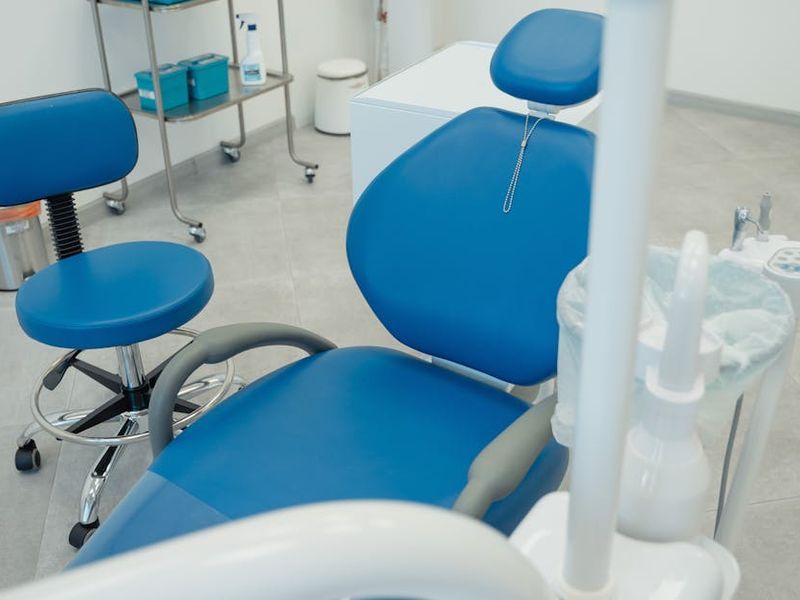
Over the past decade many Cuenca clinics have upgraded to modern equipment: digital X-rays, panoramic and cone-beam CT (CBCT) for implant planning, and CAD/CAM systems that allow same-day milled crowns. Larger clinics often have in-house labs or long-standing partnerships with local dental technicians, which can speed turnarounds and improve quality control.
Sterilization protocols follow international standards in reputable clinics, but it’s a good idea to ask about sterilization practices, single-use items (needles, suction tips), and whether the clinic uses disposable or sterilized instruments for specific procedures.
What affects price: factors to consider
- Complexity of the case — more bone loss, multiple missing teeth, or complicated root anatomy raises costs.
- Materials — zirconia and high-grade ceramics cost more than basic PFM crowns or acrylic dentures.
- Clinic reputation and dentist experience — more experienced specialists may charge higher fees but often deliver predictable outcomes.
- Diagnostic imaging — CBCT scans and digital impressions can add to the initial estimate but reduce surprises during treatment.
- Laboratory work — in-house milling is convenient but sometimes more expensive than outsourcing labs; ask where and who makes the crowns/veneers.
Choosing a dentist in Cuenca: a practical checklist
Finding the right dentist is the most important step. Use this checklist when evaluating clinics:
- Verify credentials — ask about university training, specializations, and years of practice. Dentists in Ecuador must be registered with the regional professional body.
- Look for before-and-after photos of similar procedures and request references or patient testimonials.
- Confirm imaging capabilities — does the clinic have digital X-rays and CBCT for implant planning?
- Ask about guarantees — what is the warranty period for crowns, bridges and implants, and what does it cover?
- Inspect sterilization — are instruments autoclaved and are disposables used when required?
- Check language options — many dentists speak Spanish only; larger clinics often have English-speaking staff or translators for expats.
- Get a written treatment plan and itemized cost estimate including follow-up visits and lab fees.
Dental tourism logistics: travel, timing and follow-up care
Cuenca’s compact historic center makes it easy to combine dental work with sightseeing or an extended stay. If you’re coming specifically for treatment, plan your trip with buffer days. For straightforward procedures like cleanings and fillings, a few days may be enough. For implants or multi-stage restorations, expect multiple visits spaced weeks or months apart.
Helpful travel tips:
- Plan your consultation immediately after arrival — many clinics offer initial exams and panoramic X-rays the same day.
- Allow time for healing — implants and bone grafts require months of integration before final crowns. Consider staying in Cuenca between stages if you want local follow-up.
- Book accommodation near the clinic or in the historic center (Parque Calderón area) to reduce travel time.
- Bring a folder with all dental records, past X-rays, and a simple medical history. This speeds diagnosis and avoids duplication of tests.
Aftercare in Cuenca: pharmacies, emergency contacts, and medications
Pharmacies in Cuenca are widely available and staff can often assist with common post-op medications like ibuprofen, acetaminophen, or prescribed antibiotics (amoxicillin, azithromycin) if needed. If you require urgent care after hours, larger clinics and hospitals in the city can provide emergency services — ask your dentist for their emergency contact protocol.
Follow your dentist’s instructions carefully: avoid smoking, follow dietary restrictions, and return for scheduled cleanings and checks. Many local dentists will provide a brief follow-up at no extra charge within a specified warranty period.
Safety tips and common pitfalls to avoid
While Cuenca offers many reputable options, take these precautions:
- Beware of extremely low quotes — if a price seems dramatically lower than local averages, ask detailed questions about materials and what’s included.
- Get multiple opinions for complex work like full-mouth restorations or extensive implant cases.
- Confirm the total cost in writing and ask about policies for complications or remakes — this saves surprises down the road.
- Avoid clinics that pressure you into immediate decisions. Trustworthy dentists will explain options, risks, and timelines.
How expats in Cuenca find dentists
Many expats rely on neighborhood recommendations, local Facebook groups, and word-of-mouth within the international community. If you’re new to the city, joining an expat group or visiting the English-speaking social clubs can yield trusted referrals. Dental costs and availability of English-speaking staff will vary by neighborhood, but clinics around the historic center and near major avenues typically cater to foreign patients.
Final thoughts: planning your dental care in Cuenca
Cuenca is an excellent place for both routine dental care and many advanced treatments. With sensible planning — ask for clear estimates, check credentials, and allow time for healing — you can take advantage of the city’s capable dentists and modern clinics without compromising quality. Whether you need a simple cleaning, a smile makeover, or implants, a careful approach maximizes value and minimizes stress.
If you’re considering dental work in Cuenca, start with a consultation. Bring your dental history, ask for digital images, and get a written treatment plan. That small investment of time up front will make the rest of the process smooth, predictable, and likely more affordable than staying in many other countries.
Good dental care is within reach in Cuenca — with the right preparation you can have confidence in the results and enjoy the city while you heal.