
Table of Contents
Why Where You Stay in Cuenca Matters
Cuenca’s compact UNESCO-listed historic center, riverwalks, and surrounding hills make the city easy to explore — but location, amenities, and timing can make a big difference in your stay. Whether you’re a budget backpacker seeking a social hostel, a family wanting calm and convenience, or a traveler looking for boutique luxury, this guide helps you choose the right type of lodging and what to look for in each neighborhood.
Quick Orientation: Cuenca Neighborhoods and What They Offer
Cuenca’s core neighborhoods are small but distinct. Understanding them will help you match accommodation to your priorities.
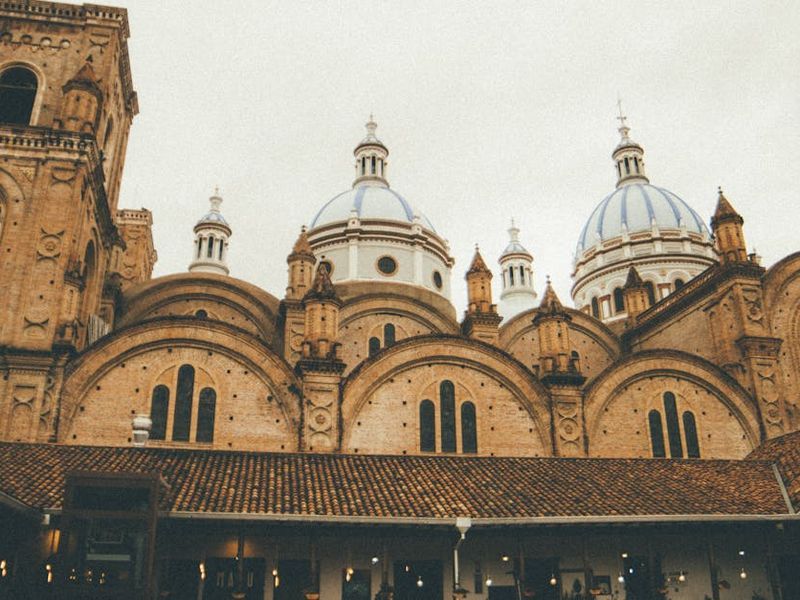
- El Centro / Parque Calderón: Heart of the action. Cobblestone streets, the New Cathedral, museums, cafés and nighttime vibrancy. Best for first-time visitors who want to be within walking distance of major sights.
- Tomebamba and Riverside (Las Conceptas / San Sebastían): Pretty streets along the Tomebamba River, scenic bridges, and quieter boutique hotels with river views.
- Turi and El Mirador: Hillside neighborhoods above the city with panoramic views. Ideal if you want quiet and vistas, but plan for taxis or a steep walk.
- Yanuncay and El Batán: More residential, often cheaper, with easy bus or taxi access to the center. Good for longer stays or rentals.
- Near the Bus Terminal (Terminal Terrestre): Functional area with budget hotels and hostels for travelers arriving late or catching early buses.
How to Choose: Key Features to Consider
When comparing hotels or hostels in Cuenca, keep these practical points in mind. They will help avoid surprises and make your stay comfortable.
- Location vs. Noise: Staying right on Parque Calderón means unbeatable access but more street noise. If you’re sensitive to noise, look for properties one or two blocks off the main plaza.
- Altitude and Climate: Cuenca sits around 2,500 meters (8,200 ft). Some accommodations offer heaters, hot water tanks, and thicker duvets; ask about heating and hot water if you’re visiting in the cooler months.
- Transport Access: If you plan day trips to Cajas National Park or to coastal Ecuador, check proximity to the main bus terminal and confirm whether the hotel can arrange day-trip transfers.
- Wi-Fi and Work Needs: Digital nomads should look for reliable Wi-Fi, a workspace, and good mobile coverage — many mid-range hotels and apartments in Cuenca cater to remote workers.
- Breakfast and Kitchen: A hotel breakfast can simplify mornings, while hostels and long-term rentals with kitchens can reduce costs for extended stays.
Budget Stays: Hostels and Cheap Hotels (Approx. $8–$35/night)
Backpackers and budget travelers will find many hostels and inexpensive guesthouses clustered around the historic center and the bus terminal. These properties are ideal for social travelers, those on a strict budget, or short stays.
What to expect: basic private rooms and dorms, communal kitchens, and common areas. Many hostels organize walking tours, language exchanges, or social dinners — a great way to meet people and learn about the city.
Tips for choosing a budget place
- Read recent reviews for cleanliness and security; plumbing and hot water can vary.
- Choose hostels with lockers for valuables and 24-hour reception if you arrive late.
- Consider hostels a block off the busiest plazas to avoid late-night noise.
Mid-Range Choices: Comfort and Convenience (Approx. $40–$100/night)
Mid-range hotels in Cuenca balance charm and dependable services: comfortable rooms, included breakfast, friendly front desk staff, and often small business centers or meeting rooms. This is the sweet spot for couples, small families, and travelers who want convenience without luxury prices.
Many mid-range properties cluster along the river and near museums, giving you scenic walks while staying within a short taxi ride of restaurants and nightlife. Look for hotels that mention soundproofing and in-room heating if you are sensitive to temperature or noise.
Why pick a mid-range hotel?
- Dependable amenities (breakfast, laundry service, good internet)
- More privacy than hostels, but still affordable
- Often family-run with local tips and concierge help
Luxury and Boutique Stays: Design, Service, and History (Approx. $120+/night)
For a special stay, Cuenca offers boutique hotels in beautifully restored colonial buildings and modern hotels with riverside views. These accommodations often provide extras like in-house restaurants, concierge services, guided city tours, and elegant courtyards.
Many luxury properties occupy historic buildings near El Centro, so you can sleep in a beautiful room and step into the city’s best cultural attractions within minutes. If you’re celebrating an anniversary or want a pampered stay, look for rooms with terraces overlooking the river or a suite with original architectural details.
Things to verify before booking
- Whether the hotel offers airport or private transfers (useful for arrival at Mariscal Lamar Airport).
- Room views: some hotels have quiet interior courtyards while others face busy streets or riverfronts.
- On-site services and accessibility for older visitors (elevators, limited stairs).
Family-Friendly and Long-Stay Options
Families and longer-term visitors benefit from apartments, aparthotels, and guesthouses offering kitchens, washing machines, and extra living space. Neighborhoods like Yanuncay, near larger supermarkets and playgrounds, are convenient for families. Booking an apartment also helps keep costs down and gives a taste of daily life in Cuenca.
If you’re staying longer, inquire about weekly or monthly rates, neighborhood safety, and proximity to medical centers. Cuenca has excellent private and public health facilities; being near a clinic can be reassuring for families.
Specialty Stays: Eco, Romantic, and Business Stays
Cuenca has a growing selection of specialty accommodations. Eco-lodges and hotels with sustainable practices focus on local sourcing and low-impact operations. Romantic travelers can find small boutique hotels offering packages like candlelit dinners or private city tours. Business travelers will find modern hotels near financial districts with meeting rooms and reliable business services.
Ask hotels about their sustainability practices or whether they can organize private guided experiences—these extras often make a stay unforgettable.
Booking Strategy: When to Book and How to Save
Cuenca’s visitor flow peaks during holiday seasons (June–August and late December–early January), religious holidays, and occasional local festivals. If you plan to visit during these times, book at least 6–8 weeks ahead for the best rooms.
- Use flexible cancellation: Many hotels now offer flexible booking to protect from travel changes.
- Check combined listings: Compare hotel sites, OTAs (like Booking.com), and local guesthouse websites — sometimes direct bookings include perks such as free airport pickup or breakfast.
- Look for mid-week deals: If your travel dates are flexible, mid-week stays are often cheaper than weekend nights in tourist areas.
Practical Arrival Tips and Local Transport
Cuenca’s small airport (Mariscal Lamar) is close to the city, but many international travelers arrive via Quito or Guayaquil and transfer by bus or a short flight. The main bus terminal (Terminal Terrestre) handles regional buses and is a hub for day trips.
Taxis are affordable; insist on using the meter or agree on a fare before starting. Many hotels can arrange reliable taxi drivers or private transfers. Walking is one of the best ways to explore El Centro, but comfortable shoes are necessary for cobblestones and occasional steep streets.
Safety and Practicalities in Your Choice
Cuenca is considered one of the safest large cities in Ecuador, but normal travel precautions apply. Choose lodging with secure access, lockers for valuables (in hostels), and safe neighborhood reputations. Ask the front desk about areas to avoid at night (usually not many in central Cuenca) and how to call a taxi safely.
Other practical considerations: verify whether a property has hot water 24/7, laundry service or nearby laundromats, and if they can store luggage for early arrivals or late departures.
Putting It All Together: Sample Itineraries and Where to Stay
Here are three example traveler profiles with recommended places to stay and why:
- Backpacker / Social Traveler: Stay in a centrally located hostel near Parque Calderón or the Tomebamba with dorms and a communal kitchen. Walk to free walking tours, meet fellow travelers for day trips to Cajas, and use the terminal area hostels if you have an early bus.
- Couple / Weekend Visitors: Choose a boutique hotel along the river or a restored colonial inn in El Centro for romantic walks, rooftop views, and easy access to cafés and galleries.
- Family / Long-Term Stay: Rent an apartment in Yanuncay or book a family room in a mid-range hotel with breakfast and laundry. Near supermarkets and parks, these neighborhoods are practical and quieter than the central plazas.
Final Checklist Before You Book
- Confirm neighborhood and check map distances to the New Cathedral and bus terminal.
- Verify hot water, heating, and Wi-Fi if they matter to you.
- Read recent reviews (last 3 months) for cleanliness and service reliability.
- Ask about early check-in, luggage storage, airport pickup, and transfer options.
- Consider travel insurance for high season or festival visits.
Conclusion: Choose the Stay that Matches Your Rhythm
Cuenca satisfies a wide range of travelers. The best hotel or hostel depends on whether you prioritize proximity to attractions, quiet and views, social atmosphere, or family comfort. Use neighborhood knowledge, practical amenities, and booking strategies from this guide to find lodging that fits your budget and travel style — and get ready to enjoy a city where colonial charm, river walks, and Andean culture make every stay memorable.