
Table of Contents
Why Cajas National Park is the Perfect Day Escape from Cuenca
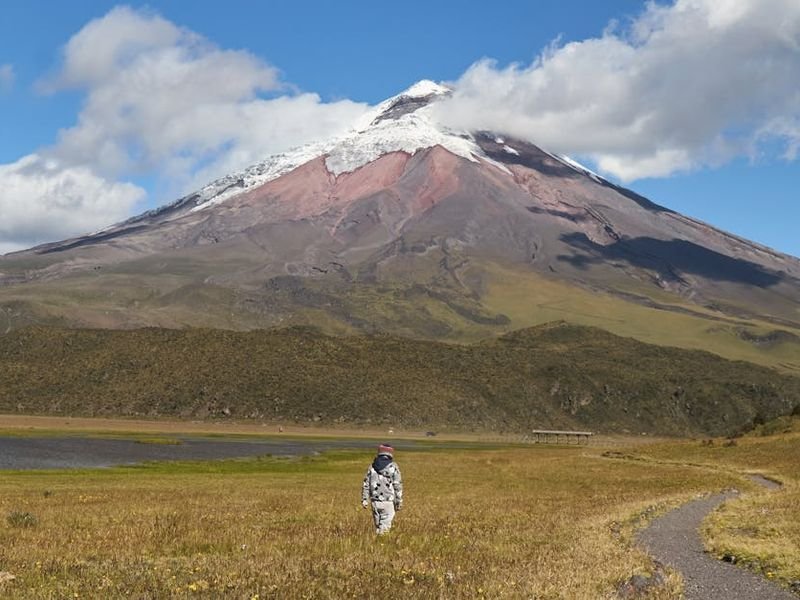
Just a short drive from Cuenca’s colonial streets lies a dramatically different world of wind-swept páramo, glacial lakes, and razor-sharp mountain views. Cajas National Park (Parque Nacional Cajas) is one of Ecuador’s most photogenic highland landscapes — ideal for a day trip if you want to experience Andean biodiversity and wide-open skies without committing to multi-day treks.
Within minutes you can go from Cuenca’s 2,560 meters to park elevations that range from roughly 3,100 to 4,400 meters. The contrast is striking: red-tiled roofs give way to low tussock grasses, shimmering lagunas, and dramatic cloudscapes. For nature lovers, photographers, and anyone curious about Andean ecosystems, Cajas packs a lot into a manageable distance.
Quick facts to keep in mind
- Distance from Cuenca: about 30–50 km depending on the access point; driving time typically 45–90 minutes.
- Elevation range: approximately 3,100–4,400 meters, so plan for altitude effects.
- Landscape: páramo grasslands, peat bogs, over 200 glacial lakes and lagoons, and patches of Polylepis woodland.
- Best time to visit: dry season (June–September) tends to be clearer, but weather is unpredictable year-round.
How to get there from Cuenca
There are several practical ways to reach Cajas depending on budget, comfort, and how much flexibility you want.
Organized day tours (most convenient)
Many hotels and tour operators in Cuenca offer half- or full-day guided trips that include hotel pickup, transport, a guided hike, and sometimes a picnic lunch. These tours are great if you want local knowledge (flora, fauna, history) and don’t want to worry about driving or navigation. They also take you straight to the popular trailheads, maximizing your time on the trails.
Rental car or private taxi (most flexible)
Renting a car or hiring a private taxi gives you control over timing and route. The drive is scenic but can be foggy; roads are mostly paved until the park entrances, with some high-altitude passes. If you rent, aim to leave Cuenca early to avoid clouds and make the most of daylight. Taxis can be more expensive but save parking hassles and navigation in unfamiliar terrain.
Public transport (budget option)
It’s possible to use local buses and shared taxis that head toward towns near the park; ask at Cuenca’s main bus terminal or your hostel for current options and departure points. This route takes more time and requires some coordination (and possibly a short taxi from the highway to trailheads) but keeps costs down.
Choose a route: short loops vs. longer treks
Cajas has a network of well-marked trails that cater to different fitness levels. Because you’re on a day trip, here are practical trail options to consider:
Laguna Toreadora and nearby viewpoints — popular and accessible
This is a favorite for short visits because you can see dramatic water reflections, peat islands, and birdlife without hiking all day. The path around and between lagoons is manageable for most visitors, with gentle slopes and excellent photo opportunities.
Longer circuits for experienced hikers
If you’re fit and acclimatized, several longer circuits take you higher into the park, visiting multiple lakes and ridgelines. These treks can last several hours and expose you to the park’s raw, wild character — big skies, wind, and the chance of spotting wildlife. Bring plenty of water and allow extra time for slower uphill stretches at altitude.
What you’ll see: flora, fauna and geology
Cajas is an ecological mosaic shaped by glaciation and high-altitude weather. The most arresting features are the hundreds of small lakes (lagunas) that dot the landscape, fed by cold mountain streams and rain. Vegetation is dominated by páramo grasses and cushion plants; look for clumps of Polylepis trees in sheltered hollows and frailejón-like rosette plants on rocky slopes.
Wildlife sightings are rewarding if you’re patient. Expect to see waterfowl on the lakes, Andean coots and ducks, small birds flitting among the grass, and raptors patrolling thermals. Mammals such as the viscacha (a rabbit-like rodent with a long bushy tail) are often seen on rock outcrops. Larger species — puma, spectacled bear — live in the region but are elusive and rarely seen on day trips.
Altitude and fitness: plan smart
One of the most important considerations for a day trip to Cajas is the altitude gain. Cuenca itself is at 2,560 meters, which helps, but the park rises significantly higher. You may experience mild altitude symptoms — headache, shortness of breath, dizziness — especially during exertion.
- Acclimatize: If you’ve recently arrived from lowlands, spend a day or two in Cuenca before attempting higher hikes.
- Pace yourself: Walk slowly on steep sections; take frequent breaks.
- Hydration: Drink plenty of water and avoid heavy alcohol the night before.
- Medication: If you have a history of altitude sickness, consult a physician about preventive medication like acetazolamide (Diamox).
Packing list for a successful day
Weather in Cajas can swing from bright sun to sleet in the space of an hour. Layers and the right kit are crucial.
- Sturdy hiking boots with ankle support — trails can be rocky and boggy.
- Warm layers (fleece, down jacket) and a base layer for wind chill.
- Waterproof shell jacket and rain pants — waterproofing is essential.
- Sunglasses and high-SPF sunscreen — UV is strong at altitude.
- Hat, gloves, and a buff for wind protection.
- Trekking poles can help on steep or slippery sections and ease knees on descents.
- Snacks and at least 1–2 liters of water per person; there are no reliable shops inside the park.
- Cash for entrance fees, small purchases, and tips; ID or passport may be requested by rangers.
Logistics: entrance fees, facilities, and ranger presence
Cajas is managed as a national park, and there is usually a nominal entrance fee which helps with conservation and facilities. Park rangers staff the main entrance points and can provide maps, safety advice, and information about current trail conditions. Facilities like restrooms and picnic tables exist near the main trailheads but are limited, so plan accordingly.
Mobile phone coverage is spotty in many parts of the park, so don’t rely on cellular data for navigation. Download maps offline or pick up a printed trail map from the ranger station.
Responsible travel and conservation tips
Cajas is a fragile highland ecosystem. Visitors play an important role in preserving it for future generations.
- Stay on marked trails to avoid trampling fragile vegetation and peat soils.
- Pack out what you pack in — there are no reliable trash services inside the park.
- Do not disturb wildlife; observe from a distance and avoid feeding animals.
- Respect local signs and ranger instructions, especially regarding sensitive areas.
Sample itinerary for a day trip from Cuenca
Here’s a practical timeline you can adapt depending on your transport choice and energy level:
- 07:00 — Depart Cuenca (earlier in brighter months); pick-up if on a tour.
- 08:00–09:30 — Arrive at the park entrance, pay fee, chat with the ranger, and choose a trail.
- 09:30–12:30 — Hike a loop such as Laguna Toreadora and surrounding viewpoints; take photos.
- 12:30–13:30 — Picnic or return to the park parking area for a hot drink and lunch.
- 13:30–15:30 — Optional shorter walk to another lagoon or a scenic drive through highland passes.
- 15:30–17:00 — Return to Cuenca, arriving before evening for dinner in town.
After the park: warming up in Cuenca
After a chilly day in the páramo, return to Cuenca to reward yourself. The city’s historic center is perfect for warming up with a bowl of locro (a traditional potato and cheese soup), a hot chocolate, or an Ecuadorian coffee. If you prefer to relax, stroll across the Tomebamba River or sit near the New Cathedral’s plaza and watch the sunset over the Andean rooftops.
Why Cajas is meaningful beyond the photos
Beyond stunning images, a visit to Cajas offers perspective. The park protects essential water sources for the region and serves as a living classroom for Andean ecology and climate resilience. Even a single, well-planned day trip can deepen your appreciation for the highlands and the conservation work that keeps them intact.
Final tips for a memorable day
Start early, dress for sudden weather changes, and give yourself time to savor the silence. Whether you go with a guide or strike out on your own, leave room for slow moments: watching light shift across a lake, listening to wind through tussock grass, or spotting a shy viscacha on a rock. With the right preparation, a day in Cajas from Cuenca becomes one of those outings you remember long after the photos fade.
Enjoy the trip, and tread lightly — Cajas is wild, beautiful, and best experienced with respect.