
Table of Contents
Why the Southern Highlands Deserve a Spot on Your Ecuador Itinerary
The southern highlands of Ecuador blend colonial history, world-class coffee, and relaxed mountain valleys. In one regional sweep you can wander UNESCO-listed streets in Cuenca, hear Loja’s music pulse through plazas, and slow down in Vilcabamba’s sunny lowland valley—famous for its laid-back vibe and wellness-oriented expat scene. This guide gives you practical tips, realistic travel times, safety pointers, and sample itineraries to make the most of each stop.
Quick Essentials: What to Know Before You Go
Altitude changes are important here: Cuenca sits around 2,560 meters (about 8,400 feet), Loja is lower at roughly 2,000 meters, and Vilcabamba drops to around 1,500 meters—warmer and more tropical. The climate is generally mild year-round, but afternoons can be sunny and cool, and evenings often require a warm layer. Ecuador uses the US dollar, and tourist visa rules change periodically—check current entry rules before traveling. Spanish is the dominant language; English is common in expat and tourist areas but less so in smaller towns.
Cuenca: Colonial Charm, Culture, and Convenient Services
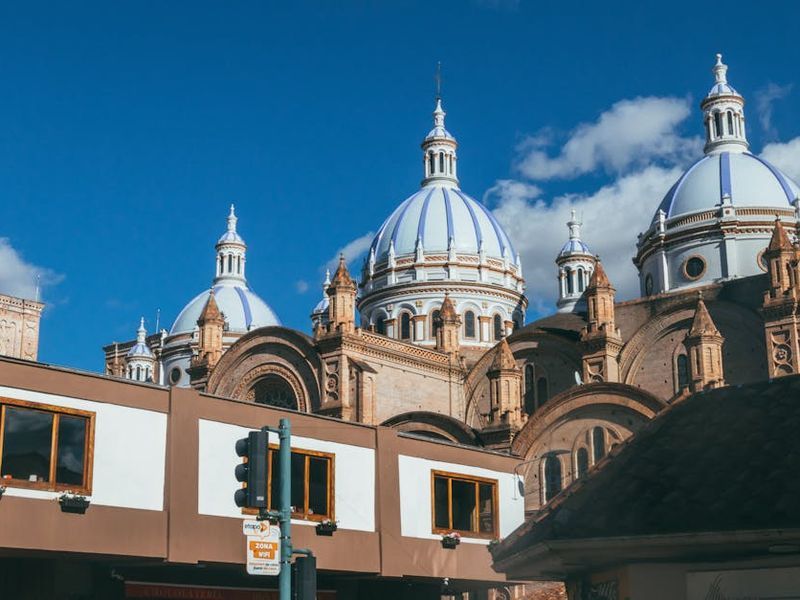
Cuenca is often the gateway for international visitors exploring the southern highlands. Its historic center—declared a UNESCO World Heritage Site—boasts red-domed cathedrals, wide plazas, and bakeries tucked into narrow streets. The Tomebamba River winds through the city and provides pleasant walking routes past artisan workshops and cafes.
Must-see Sights in Cuenca
- Parque Calderón and the New Cathedral: The heart of town and the best place to start a walking tour.
- Pumapungo Archaeological Park and Museum: In the city center, this museum highlights indigenous cultures and includes botanical gardens.
- Mirador Turi: A short taxi ride gives you sweeping panoramas over the city and surrounding valleys.
- El Cajas National Park (day trip): High-altitude lakes, short treks, and stunning landscapes reachable within an hour by car.
- Artisan neighborhoods: Calle Larga and surrounding workshops for hand-made jewelry, textiles, and Panama hats.
Practicalities and Services in Cuenca
Cuenca is one of the most expat-friendly cities in Ecuador: you’ll find international banks, private clinics, and a wide range of accommodation—from budget hostels to upscale boutique hotels. Pharmacies are plentiful, and English-speaking medical staff are available at some private clinics. ATMs are common in the historic center and shopping districts, though it’s wise to carry cash for markets and smaller vendors.
Food, Markets, and Local Flavors
Cuenca’s food scene mixes traditional Andean dishes with international options. Try locro de papa (potato soup), hornado (slow-roasted pork), and local cheeses. The city markets are a great place to sample street food, buy fresh produce, and find handcrafted souvenirs—arrive early for the best goods. Cafés in Cuenca showcase Ecuadorian coffee and make good remote-work spots with reliable Wi‑Fi.
El Cajas National Park: Glacial Lakes and Quick Escapes
No trip to Cuenca is complete without a visit to El Cajas. The scree-strewn landscape sits above 3,000 meters and features dozens of glacial lakes, moorland ecosystems, and well-marked trails. A day trip is common—bring layers, rain protection, and good footwear. For photographers and hikers, El Cajas is a top highlight.
Loja: Ecuador’s Musical Heartland and Coffee Country
Heading south from Cuenca, Loja offers a quieter pace with a cultural focus. The city has long been associated with music and the arts—concerts and recitals appear throughout the year. Loja province is also gaining attention for specialty coffee; small farms produce well-balanced beans in microclimates ideal for high-altitude varietals.
What to Do in Loja
- Explore the city center and its plazas, which host regular music performances and street art.
- Book a coffee farm tour to taste single-origin beans and learn about micro-lot processing.
- Take nearby nature walks in cloud forest areas—birdwatchers often add Loja to their Ecuador route for good reason.
- Check local listings for festivals: Loja’s music scene brings national and international artists to town, especially during cultural festivals.
Practical Tips for Visiting Loja
Loja feels more provincial than Cuenca—business hours may be shorter, and services more limited on weekends. Taxis and buses connect the city with surrounding towns, and local drivers are typically helpful. If you want to travel into remote coffee regions, hiring a local guide or driver is recommended for safety and navigating rural roads.
Vilcabamba: Relaxation, Wellness, and Valley Hikes
Vilcabamba is the poster child for “slow travel” in Ecuador. Nestled in a fertile valley and blessed with a warm microclimate, it attracts people seeking wellness retreats, yoga studios, and organic farms. The town has a sizable expat community, eclectic cafes, and artisan markets, all set against a backdrop of hiking trails and river walks.
Why People Flock to Vilcabamba
- Climate: Warmer and lower than Cuenca and Loja, which many visitors find restorative.
- Outdoor access: Trails lead to viewpoints, waterfalls, and quiet riverbanks—great for half-day hikes.
- Wellness culture: A concentration of alternative health practitioners, massage therapists, and health-food cafes.
- Expat scene: A friendly international crowd with plenty of community events, classes, and shared-interest groups.
How to Spend Your Time in Vilcabamba
Hike to local viewpoints at sunrise, try horseback riding through the surrounding hills, and sample fresh farm-to-table meals. Market days bring local artisans selling textiles, natural soaps, and handcrafted jewelry. If you’re curious about longer stays, Vilcabamba has rental options ranging from simple cabins to modern homes—many with gardens or mountain views.
Getting Around: Practical Transport Tips
Regional buses connect Cuenca, Loja, and Vilcabamba regularly—expect scenic mountain roads and variable travel times depending on stops. The main bus terminals in larger towns handle ticket sales, but for comfort choose semi-direct or executive services for longer legs. Private shuttles and taxis are available for door-to-door transfers, and renting a car gives you the freedom to explore smaller villages, though be ready for narrow, winding roads.
Approximate Travel Times
- Cuenca to Loja: roughly 3–4 hours by road, depending on service and stops.
- Loja to Vilcabamba: about 45–75 minutes—short enough for a day trip.
- Cuenca to Vilcabamba: expect a longer journey of around 3–4.5 hours by road with changing scenery.
Safety, Money, and Practicalities
The southern highlands are generally safe for travelers, but normal precautions apply: keep valuables secure, avoid poorly lit areas at night, and use official taxis or ride apps where available. ATMs and card acceptance are plentiful in Cuenca and Loja; in Vilcabamba carry some cash for market stalls and smaller shops. Buy a local SIM card from major providers—registration usually requires your passport—and expect good coverage in towns but patchier service in remote areas.
Health and Altitude Tips
Acclimatize slowly when you arrive in high-altitude locations like Cuenca. Drink plenty of water, avoid heavy exercise on your first day, and carry any necessary medications with you. Healthcare in the region includes both public and private clinics; Cuenca offers the most extensive medical services in the tri-city area.
Sample Itineraries: A Few Ways to Experience the Region
Quick 5-Day Loop
- Day 1–2: Explore Cuenca’s historic center, museums, and markets; evening at a rooftop cafe.
- Day 3: Day trip to El Cajas for hiking and lakes.
- Day 4: Bus to Loja, visit coffee farm or attend a local recital.
- Day 5: Short transfer to Vilcabamba for rest, a sunset hike, and a slow evening in a garden cafe.
Slow Travel – 10 Days
- Days 1–4: Base in Cuenca, take a Spanish class, visit artisans, explore neighborhoods like El Barranco.
- Day 5: Overnight trip to El Cajas or canoe on a highland lake.
- Days 6–7: Transfer to Loja, enjoy coffee tours and local concerts.
- Days 8–10: Vilcabamba for wellness treatments, hiking to local viewpoints, and community events.
Packing List and Weather-Ready Gear
Pack layers: a warm jacket for higher altitudes, a waterproof shell for sudden showers, and sun protection for daytime walks. Good walking shoes are essential for cobblestones and trails. Bring a reusable water bottle, basic first-aid items, and a compact daypack for hikes. If you plan to visit rural farms, include insect repellent and sturdy footwear.
Final Tips: Make the Most of Your Visit
Allow time for unplanned discoveries: a music performance in Loja’s plaza, a local festival in Cuenca’s barrios, or a hidden waterfall on a Vilcabamba trail. Strike up conversations with local artisans and small business owners—Ecuadorians are often happy to share stories and recommendations. Finally, be flexible: mountain travel can have weather-related delays, but those changes are often where the most memorable experiences begin.
Whether you’re drawn to colonial architecture, specialty coffee, or a slower pace of life, the Southern Highlands of Ecuador offer variety within easy reach. With this practical guide, you’re ready to plan a trip that mixes cultural immersion, outdoor adventure, and restorative downtime in one unforgettable region.