
Table of Contents
Why Cuenca’s Historic Center Deserves Your Time
Designated in 1999 as the “Historic Centre of Santa Ana de los Ríos de Cuenca,” Cuenca’s core is a remarkably intact example of Spanish colonial urban design, layered over indigenous and Andean influences. Narrow cobblestone streets, elegant plazas, and dozens of churches combine with riverside promenades and Inca-era terraces to create a compact area that rewards slow walking and close observation.
How to Use This Guide
This article is designed for travelers who want more than a quick photo at the cathedral. You’ll get a suggested walking route, background on key buildings, tips for photographing and accessing sites, and practical notes about schedules, fees, and local customs. Most important: this guide focuses on observed facts and useful travel tips specific to Cuenca.
Top Architectural Highlights and What to Look For
Catedral de la Inmaculada Concepción (New Cathedral)
The New Cathedral is Cuenca’s most iconic building thanks to its striking blue-and-white domes that appear from many vantage points across the city. Constructed over the 19th and early 20th centuries, it blends neo-Gothic structure with local stonework. Approach the cathedral via Parque Calderón to appreciate the façade, then walk around to see how light plays off the domes in the afternoon.
El Sagrario (Old Cathedral)
Directly adjacent to the New Cathedral is the older cathedral, often called El Sagrario. Its smaller scale and richly decorated interior reveal earlier colonial styles and gilded altarpieces. Today it functions partly as a museum space where visitors can view religious art and ornate woodwork — a quiet contrast to the grand New Cathedral.
Parque Calderón and Calle Larga
Parque Calderón is Cuenca’s heart: a long rectangular plaza surrounded by key civic buildings and cafés. From here, the pedestrian Calle Larga runs eastward toward the Tomebamba River. Calle Larga is an excellent place to see restored colonial facades, boutique shops, and to sit for a coffee while people-watching. Pay attention to the wrought-iron balconies and tile roofs — these details speak to local craftsmanship.
Museo Pumapungo and the Inca Terraces
A short walk south of the historic core, Museo Pumapungo is a must for anyone interested in the pre-colonial layers of Cuenca’s history. The museum sits on an ordinary-looking urban block that hides archaeological remains: Inca terraces, water channels, and burial sites. The museum’s ethnographic exhibits also provide context for how indigenous and Spanish traditions merged in art and construction techniques.
Monasterio and Museo de las Conceptas
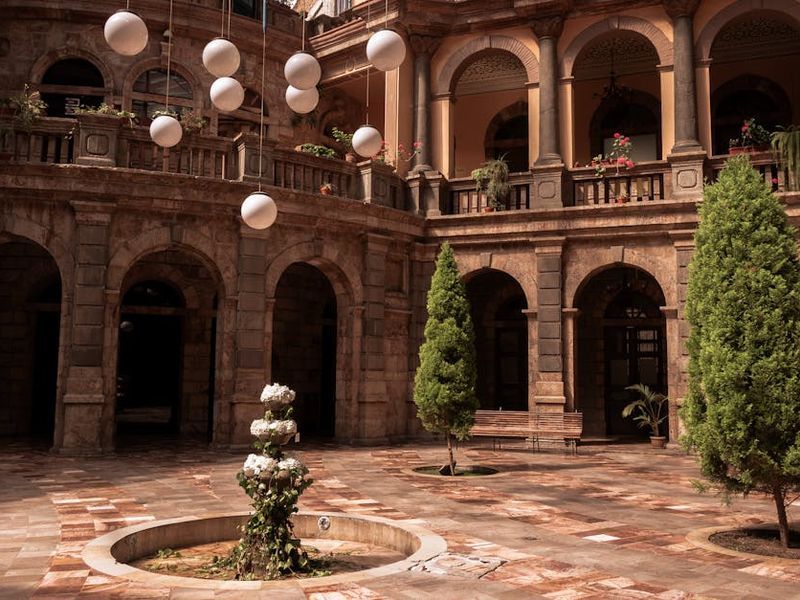
This former convent, tucked down a narrow side street, is now a museum of religious art and convent life. Its cloistered courtyard and painted wooden ceilings offer a glimpse into colonial religious architecture and the role monastic orders played in Cuenca’s urban fabric. The Museo de las Conceptas is especially rewarding for travelers who enjoy small museums with well-preserved interiors.
Río Tomebamba: Bridges and Riverside Mansions
The Tomebamba River divides the historic center into north and south banks. Stone bridges and riverside promenades (malecóns) create scenic walking loops. Look for former elite homes with elaborate cornices and verandas overlooking the water — many now house shops, galleries, or cafés. A riverside walk provides different angles for photographing the blue domes and the city’s layered rooftops.
Suggested Walking Route: A 3–4 Hour Architecture Tour
This route is designed for a relaxed morning or late-afternoon outing. It covers the essentials, offers several photo opportunities, and leaves time for a museum stop.
- Start at Parque Calderón early (8–9am) to avoid crowds and capture morning light.
- Visit the New Cathedral and walk around the Old Cathedral (El Sagrario).
- Stroll east on Calle Larga for cafes, handicraft shops, and small galleries.
- Head south toward Museo Pumapungo for an hour-long museum visit and to see Inca terraces.
- Return along the Tomebamba riverwalk, crossing one of the stone bridges.
- Finish at the Monasterio de las Conceptas and explore its cloisters and museum.
Expect gentle hills and uneven cobblestones. Allocate extra time if you plan to enter multiple museums.
Photography and Viewing Tips
Cuenca’s compact historic core is photogenic year-round, but some considerations will help you get better shots and enjoy the architecture:
- Golden hour (one hour after sunrise and before sunset) is ideal for capturing the domes and façades without harsh shadows.
- For dome shots, try viewpoints from the riverbank or from balconies on Calle Larga. Some cafés and boutique hotels offer rooftop terraces for a fee.
- Use a wide-angle lens for tight streets but be mindful of distortion; a small tripod helps for low-light interior shots where flash is prohibited.
- Many churches request respectful behavior and proper dress — shoulders covered and no shorts for interior visits — so plan accordingly.
- Drones are restricted in urban and heritage areas. Check local regulations and hotel rules if you plan to fly a drone.
Practical Info: Hours, Tickets, and Accessibility
Opening hours and entrance fees can change, so confirm locally before visiting. General pointers:
- Major churches are usually open in the morning and for late-afternoon services. Museums like Pumapungo and Las Conceptas have set hours (often 9–5) and low admission fees for foreign visitors (generally a few dollars).
- Many historic buildings have limited accessibility due to stairs and uneven floors. If mobility access is a priority, contact museums in advance — some offer assistance or alternate entrances.
- Guided walking tours are widely available and can be booked at tourist offices near Parque Calderón; guided tours are especially helpful for understanding architectural detail, iconography, and conservation efforts.
Local Customs, Safety, and Etiquette
Cuenca is one of Ecuador’s safest cities for tourists, but normal precautions apply. Walk with a map or offline GPS and avoid poorly lit side streets at night. When photographing people in markets or at religious events, always ask permission first.
In churches and museums, maintain a quiet demeanor and follow signage about photography and touching exhibits. If you visit during a mass or procession (especially during Semana Santa), be respectful and observe from the back unless invited to participate.
Conservation and UNESCO Protection: What It Means for Visitors
UNESCO designation provides recognition and helps channel resources for preservation, but living cities change over time. Cuenca balances daily urban life with conservation goals, which means you’ll see active businesses, renovations, and occasional scaffolding. Respect posted preservation rules (no graffiti, do not lean on fragile stonework) and consider supporting local conservation through museum donations or responsible tourism purchases.
When to Visit: Seasonality and Festivals
Cuenca’s climate is mild year-round thanks to its 2,560-meter elevation, with a slightly drier season from June to September. The city’s busiest times are during Easter week (Semana Santa) and national holidays when religious processions and traditional dress add richness to the architecture’s visual context. If you enjoy cultural festivals, plan ahead because accommodation fills quickly during these dates.
Side Trips and Complementary Experiences
If you have extra time, consider the following nearby activities that complement the architectural tour:
- El Mirador de Turi: For sweeping panoramic views of Cuenca’s rooftops and domes — best at sunset.
- El Cajas National Park: A short drive away for high Andean landscapes and stone shelters that reveal different traditions of local building techniques.
- Local markets: Mercado 9 de Octubre and smaller neighborhood mercados are great for sampling artisanal textiles and baked goods made in traditional wood-fired ovens.
Where to Eat and Rest Near the Historic Core
The area surrounding the historic center is dotted with cozy cafés, family-run restaurants (comedores) and mid-range hotels often located in restored colonial houses. For an atmospheric break, try a café on Calle Larga or a riverside restaurant on the Tomebamba. If you’re seeking a rooftop view, mention it when you book — many small hotels offer terraces facing the cathedral.
Sample Two-Day Itinerary Focused on Architecture
Day 1: Morning at Parque Calderón, New and Old Cathedrals, lunch on Calle Larga, afternoon at Museo Pumapungo and riverside walk. Evening climb or taxi to Mirador de Turi for sunset.
Day 2: Start with Museo de las Conceptas, visit small artisan workshops and galleries, take a guided walking tour focused on colonial architecture, finish with a relaxed evening in a restored colonial house-turned-restaurant.
Final Tips for a Rewarding Visit
Wear comfortable shoes for cobblestones and light layers for sudden mountain weather. Carry small bills for museum entries, tips, and small purchases at artisan stalls. If you enjoy architecture, consider buying a local guidebook or joining a specialized architecture tour: the added context makes the buildings come alive. Above all, slow down — Cuenca’s charm is in the details: carved doorways, painted ceilings, and the way life continues inside centuries-old walls.
With respect, curiosity, and a camera at the ready, exploring Cuenca’s UNESCO World Heritage architecture is a rewarding experience that connects you to centuries of history — from Inca terraces to colonial cathedrals and modern conservation efforts. Take your time, ask questions, and you’ll leave with both beautiful photos and a deeper understanding of this enchanting Andean city.