
Table of Contents
Why Cuenca’s Historic Center is UNESCO-listed
The historic center of Cuenca was inscribed on the UNESCO World Heritage List in 1999 for its outstanding colonial urban fabric and well-preserved ensemble of churches, plazas, and civil architecture. The city is a living archive where Spanish colonial planning blends with local Andean traditions. Narrow streets open into elegant plazas, stone bridges span the Tomebamba river, and layers of history are visible on building facades and in the layout that dates back to the 16th century.
Start at the Heart: Parque Calderón and the Cathedrals
No architectural walk in Cuenca is complete without beginning at Parque Calderón, the central plaza surrounded by arcades, cafes, and some of the citys most recognizable structures. Dominating the skyline are the domes of the new cathedral, Catedral de la Inmaculada Concepción, known for its striking blue tiles and long construction period from the late 19th century into the mid-20th century. Nearby you will find the older cathedral, El Sagrario, and a cluster of important churches that display different construction techniques and decorative programs.
What to look for
- Façade materials and stonework patterns that show layers of repair and reuse
- Wrought-iron balconies and carved wooden doors typical of the colonial domestic architecture
- Decorative tile work on the cathedral domes and smaller capillas
Calle Larga and Calle Mayor: Life in Historic Corridors
Calle Larga and Calle Mayor are pedestrian-friendly streets that run close to the central plaza and illustrate how commercial and residential life coexists with heritage architecture. Here you will find restored colonial mansions repurposed as galleries, boutique hotels, and coffee shops. The blend of public life and architectural conservation is palpable: locals shop at bodegas while heritage plaques explain building histories.
Recommended stops along the way
- Small artisan shops selling handwoven textiles and Panama hats
- Galleries that occupy former manor houses, showing how adaptive reuse keeps buildings alive
- Historic bookstores and cafes for a restorative pause
Museums and Adaptive Reuse: Museo Pumapungo and Beyond
Museo Pumapungo is a must-visit for anyone interested in how prehispanic settlements, colonial foundations, and contemporary city life interconnect. The museum stands on an archaeological site with visible Inca remains, colonial-era structures, and a botanical garden that helps explain the local ecology that shaped building materials and urban design. Other museums housed in historical buildings demonstrate how Cuenca has favored adaptive reuse over large-scale demolition.
Riverside Architecture: El Barranco and the Tomebamba
The Tomebamba river cuts through the old city and creates dramatic visual contrasts. On its banks, you can admire multi-level houses with terraces, ornamental bridges, and stairways that connect the upper streets with the riverside promenades. El Barranco, the steep ravine area, is particularly photogenic at golden hour when the domes and painted facades reflect in the water.
Photo tips and respectful practices
- Shoot at sunrise or late afternoon for warm light on the blue cathedral domes
- Avoid drone flights in the UNESCO zone unless you have explicit permits from local authorities
- Be mindful when photographing people in residential areas; ask permission first
Neighborhoods to Explore: El Carmen, San Sebastián and Turi Viewpoint
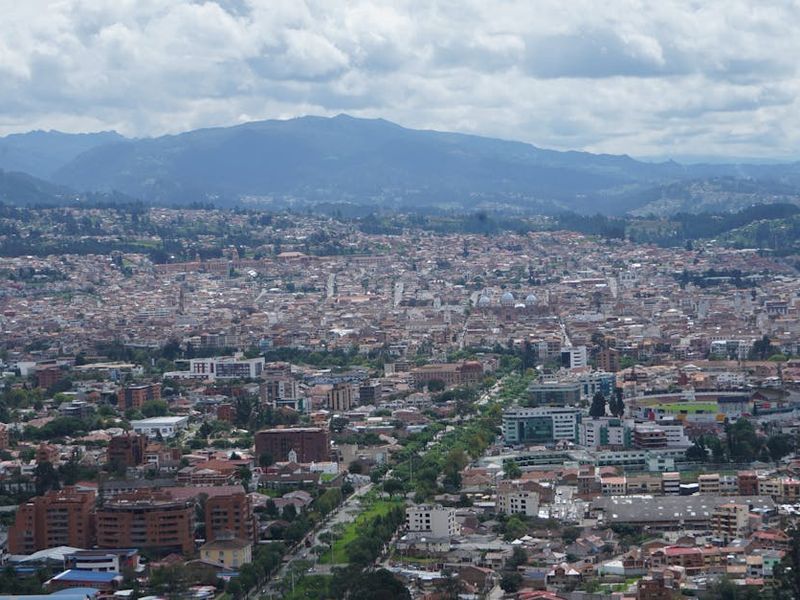
Each barrio in Cuenca offers a different architectural mood. El Carmen feels intimate with narrow alleys and baroque churches. San Sebastián includes well-preserved convents and public buildings. For a panoramic sense of the city plan, head to the Turi viewpoint. From here you can see how the grid laid out during the colonial era fits the river bends and surrounding hills, making the designation as a World Heritage Site visually obvious.
Architectural Details to Seek Out
Look beyond the big monuments and notice the small, telling details: carved stone lintels that indicate original entrances, clay tile roofs in hues that have weathered differently, decorative cornices with indigenous motifs, and interior patios that bring light into dense blocks of buildings. These elements reveal how builders combined Spanish techniques with local materials and skills to make a distinct Cuencan architecture.
Materials and craftsmanship
- Local volcanic stone and brick work used for foundations and portals
- Wooden balconies often hand-carved and painted
- Ceramic tiles and glazed domes, especially visible on major churches
Guided Tours, Audio Guides, and Self-Guided Routes
If you prefer context, a guided architecture tour by a local historian brings the facades to life with stories of builders, patrons, and reconstruction after earthquakes. For a slower pace, download an audio guide or follow a self-guided walking route that links Plaza Calderón with Calle Larga, Museo Pumapungo, El Barranco, and the Turi viewpoint. Allow at least a half-day to take in the highlights, and a full day to dig deeper into museums and lesser-known churches.
Accessibility and Practicalities
Cuenca sits at about 2,560 meters above sea level, so bring layers to adjust to cool mornings and warmer afternoons. Streets in the historic center are often cobblestone and can be steep, so wear comfortable, supportive walking shoes. Some churches and colonial homes have steps and limited wheelchair access; call ahead to museums if you need accessibility information. Public transportation is affordable: taxis are plentiful and short trips within the center are inexpensive.
When to visit
- Dry season, roughly June to September, offers the clearest skies for city views
- Visiting early in the morning helps avoid tour groups at the main cathedrals
- Religious festivals like Holy Week or Corpus celebrations animate the architecture with processions and special altars
Where to Eat and Rest Nearby
Historic buildings now host comfortable boutique hotels and family-run guesthouses that respect original architectural features. For meals, try a courtyard restaurant where you can dine under a colonial archway or a cafe on Calle Larga where you can watch daily life. Typical local foods such as hornado, empanadas de viento, and local coffee pair well with the atmosphere and are easy to find within a short walk of major monuments.
Conservation Challenges and How You Can Help
Maintaining a living World Heritage site presents challenges. Weathering, seismic activity, and modern development pressures require careful management. Support conservation by choosing restaurants and hotels that contribute to local preservation efforts, joining certified tours that donate to restoration, and following site rules designed to protect fragile interiors. Simple acts, like staying on designated paths and not touching fragile carvings, make a real difference.
Responsible Photography and Cultural Respect
Cuenca is both a tourist destination and a residential city. When photographing interiors of churches or people in traditional dress, be polite and ask permission if possible. Many churches request a small donation from visitors who wish to enter; this helps pay for upkeep. Remember that these buildings are active places of worship as well as heritage sites.
Sample Half-Day and Full-Day Itineraries
Half-day itinerary: Start at Parque Calderón at 8:00 to avoid crowds, visit the new and old cathedrals, stroll Calle Larga, stop at a cafe for coffee, then walk down to El Barranco for riverside photos.
Full-day itinerary: Begin at Parque Calderón, spend the morning in museums including Museo Pumapungo, lunch near Calle Larga, descend to the Tomebamba river and cross several historic bridges, visit the San Sebastián area, then taxi up to Turi for sunset views.
Final Tips for an Enriching Visit
- Carry small change for museum entry fees and donations
- Bring a reusable water bottle and sun protection even on cool days
- Join a specialized architecture tour if you want in-depth historical and technical details
- Allow time to simply sit in a plaza and watch the citys rhythms; Cuenca is best experienced at walking pace
Cuenca’s UNESCO designation recognizes not only grand monuments but also the everyday fabric that ties streets, houses, and plazas into a cohesive cityscape. With care, curiosity, and a comfortable pair of shoes, you can discover how colonial planning, local craft traditions, and ongoing conservation have shaped one of South America’s most elegant historic centers.