
Table of Contents
Welcome to Cuenca: Why this city should be on your map
Cuenca, Ecuador’s southern highland jewel, lures travelers with cobblestone streets, ornate cathedrals, riverside promenades and a relaxed pace that’s easy to fall in love with. If this is your first visit, you’ll want clear, practical advice to make the most of the city without surprises. This guide gathers local know-how—from getting through the airport to savoring the best local dishes—so your first days in Cuenca are enjoyable and stress-free.
Quick facts every first-time visitor should know
- Altitude: about 2,560 meters (8,400 ft) — expect mild altitude effects if you’re coming from sea level.
- Currency: United States Dollar (USD).
- Time zone: Ecuador Time (UTC−5).
- Power: 110–120V, same plugs as the U.S. (Types A/B).
- Airport code: CUE (Mariscal La Mar Airport) — a short drive from downtown.
- Climate: “eternal spring” — cool mornings and evenings, with frequent afternoon showers most of the year.
Before you go: visas, money and packing
Check visa requirements well in advance—many nationalities receive a tourist stay on arrival, but rules change. Carry a printed copy of your passport page and return ticket just in case. Because Ecuador uses the U.S. dollar, budgeting is straightforward though prices vary widely between markets and restaurants.
Packing for Cuenca is about layers. Daytime highs often reach the mid-teens to low twenties Celsius (50s–70s°F), but mornings can feel much colder. A light waterproof jacket, a warm mid-layer (fleece or sweater), and comfortable walking shoes are essentials. Bring a small umbrella or compact rain jacket—showers are common, especially between January and May.
If you take medications, bring enough for the trip plus prescriptions. Travelers sensitive to altitude might pack acetazolamide (Diamox) only if advised by a doctor. Sunscreen and sunglasses are must-haves—UV is strong at elevation.
Getting there and arriving smoothly
Most international visitors arrive via Quito or Guayaquil with a domestic connection to Cuenca’s Mariscal La Mar Airport (CUE). The airport is close to the city, typically 20–30 minutes by taxi. Official taxis and app-based services operate at the airport; ask your hotel to recommend a reliable company if you prefer a pre-booked transfer.
If you arrive by long-distance bus, the city’s main bus terminal connects Cuenca with Quito (8–10 hours), Guayaquil (3–4 hours) and coastal towns. For overnight journeys choose reputable companies with good reviews and confirmed schedules.
Neighborhoods: where to stay for your first trip
Cuenca’s compact historic center is a favorite for first-timers. Staying near Parque Calderón puts you within walking distance of the New Cathedral (Cathedral of the Immaculate Conception), museums and riverside promenades along the Tomebamba. If you want quieter evenings and views, consider a hotel or guesthouse in the hillside neighborhood near Mirador de Turi or the leafy residential areas near El Vergel.
For foodies and café-lovers, look for accommodation near the banks of the Tomebamba River or in El Centro where boutique hotels, hostels, and apartments offer easy access to morning markets and evening dining.
Getting around Cuenca like a local
Cuenca is very walkable—its Old Town streets are small and most attractions are within 20–30 minutes of each other on foot. For longer trips, taxis are inexpensive; prefer radio taxis or request your hotel to call one for you. Negotiate or confirm the fare before starting trips if a meter is not used. Public buses are cheap and extensive but can be crowded during rush hours.
Ride-sharing apps have had limited presence here and availability can change, so don’t rely on them as your only option. Renting a car is unnecessary for downtown exploration and parking can be tight; however, a car is useful for day trips to the highlands or Cajas National Park.
Must-see sights and quieter gems
Historic center and riverside walks
Start at Parque Calderón to admire the New Cathedral’s blue domes and then wander down to the Tomebamba River. The riverside promenades and restored colonial houses along the banks are especially lovely in the late afternoon light. Take time to pause at one of the cafés facing the river to watch local life unfold.
Pumapungo Museum and ruins
Plan a visit to Museo Pumapungo to see archaeological remains, ethnographic exhibits and recreated indigenous houses. The adjoining ruins and botanical gardens reflect the region’s pre-Columbian past and are a great complement to the colonial architecture of the Old Town.
Mirador de Turi and panoramic vistas
For a sweeping panorama of Cuenca, head to Mirador de Turi. It’s a short drive from downtown and offers postcard-worthy views—especially at sunset. Nearby craft stalls and small restaurants provide a chance to browse local handicrafts while enjoying the view.
Day trip: Cajas National Park
About an hour from Cuenca, Cajas National Park is a highland paradise of lagoons, peat bogs and dramatic vistas. Prepare for cold wind and rapid weather changes, and give yourself a half or full day to hike one of the short circuits or to simply soak in the scenery. Guided hikes are easy to arrange if you want a local to lead you to the best viewpoints.
Artisan towns: Gualaceo and Chordeleg
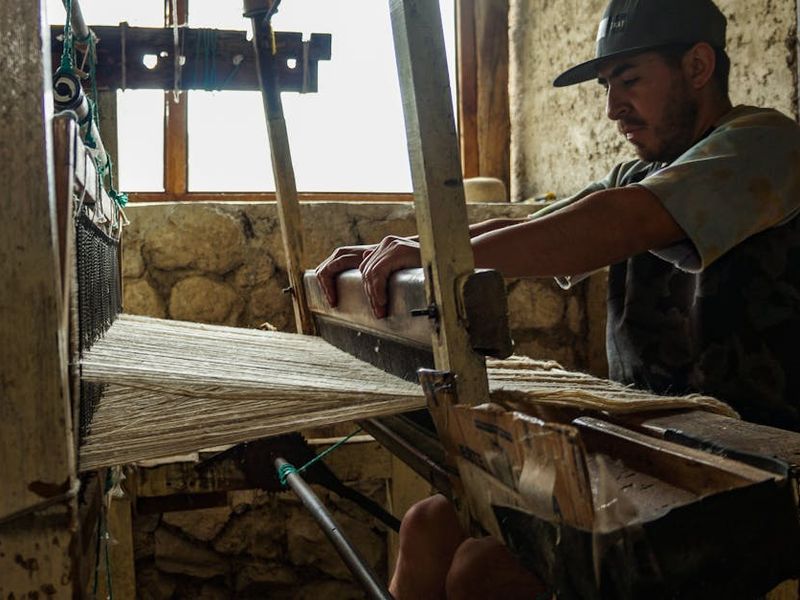
For handcraft shopping, head to Gualaceo and Chordeleg. Gualaceo is known for textiles and warm local markets while Chordeleg has a reputation for fine silver jewelry and filigree work. Visiting these towns supports local artisans and makes for meaningful souvenirs.
Food & drink: what to try and where
Cuenca’s culinary scene blends traditional Andean dishes with contemporary cafés and international options. Typical dishes to sample include hornado (slow-roasted pork), llapingachos (potato cakes), and mote (cooked hominy). If you’re feeling adventurous, cuy (roasted guinea pig) is a local specialty served at traditional restaurants.
Don’t miss the city’s chocolate shops and artisanal ice cream—helado de paila (fruit sorbet made in a chilled metal pan) is a refreshing treat. For markets, visit the central market (Mercado 10 de Agosto) for fresh produce, Andean staples and a lively atmosphere. Small neighborhood panaderías (bakeries) serve great morning pastries and coffee.
Many cafés serve excellent local coffee—Ecuador’s higher-altitude beans are worth sampling. A casual café crawl through the Old Town is a delightful way to spend a drizzly afternoon.
Practical health, safety and local etiquette
Health and altitude
Cuenca’s altitude can cause mild symptoms like headaches, shortness of breath or disrupted sleep for visitors from lower elevations. Move slowly on your first day, stay hydrated, avoid heavy exertion, and limit alcohol until you’ve acclimatized. If you have a heart or lung condition, consult your doctor before traveling.
Safety basics
Cuenca is generally considered safer than many large cities, but petty theft and opportunistic pickpocketing can occur—especially in crowded markets, buses and tourist hotspots. Keep valuables out of sight, use hotel safes for passports and extra cash, and carry a copy of your passport when out exploring. At night stick to well-lit streets and main squares and avoid isolated areas.
Cultural etiquette
Ecuadorians are warm and polite. A handshake or a light greeting with a single cheek kiss is common among acquaintances. Using basic Spanish greetings—hola, buenos días, por favor, gracias—goes a long way; English is not widely spoken outside tourist services. When photographing people, ask permission first, especially in markets and among indigenous communities.
Connectivity, money and phone tips
Major banks and ATMs are easy to find in Cuenca, but carrying some small bills and change is helpful for market purchases and taxis. Notify your bank before traveling and consider withdrawing larger amounts to avoid frequent ATM fees.
Buying a local SIM is inexpensive and provides reliable data for maps and translation apps. Major providers include Claro and Movistar—bring your passport to register a SIM card if required. Wi-Fi is common in hotels and cafés; speeds are usually good in the city center.
Tipping and costs
Tipping is appreciated but not mandatory. Many restaurants include a service charge; check your bill and add a small tip for good service if it’s not included. Expect dining costs to range from very inexpensive at market stalls to moderate at mid-range restaurants. Cuenca is generally more affordable than North American and European cities but prices for imported items and specialty goods can be higher.
Sample 3-day itinerary for first-time visitors
Day 1: Begin at Parque Calderón to orient yourself, climb one of the cathedral towers for views, and spend the afternoon strolling the Tomebamba promenades. End with dinner in El Centro.
Day 2: Visit Museo Pumapungo and the adjoining ruins, explore the central markets, then take a late-afternoon trip to Mirador de Turi for sunset and panoramic photos.
Day 3: Take a day trip to Cajas National Park for hiking, lakes and fresh mountain air—or choose an artisan day trip to Gualaceo and Chordeleg to shop for textiles and silver.
Last-minute tips and a pre-departure checklist
- Carry layered clothing and a waterproof outer layer.
- Have a hard copy of important travel documents and a digital backup.
- Register your travel with your embassy if you travel with special health needs.
- Bring a reusable water bottle and ask locals whether tap water is suitable for you—many residents drink it, but visitors with sensitive stomachs prefer bottled water.
- Learn a few Spanish phrases; a little effort opens many doors.
Final thoughts
Cuenca rewards visitors who slow down and take time to savor its architecture, food and nearby nature. For first-timers, planning for altitude, packing layers, and choosing a central place to stay will remove most hassles and let you enjoy what makes Cuenca special: charming colonial streets, a vibrant artisan scene, and friendly local culture. With simple preparations, your first trip will likely leave you wanting to return.
Buen viaje—enjoy your journey through one of Ecuador’s most beautiful cities!