
Table of Contents
Welcome to Cuenca: a quick snapshot
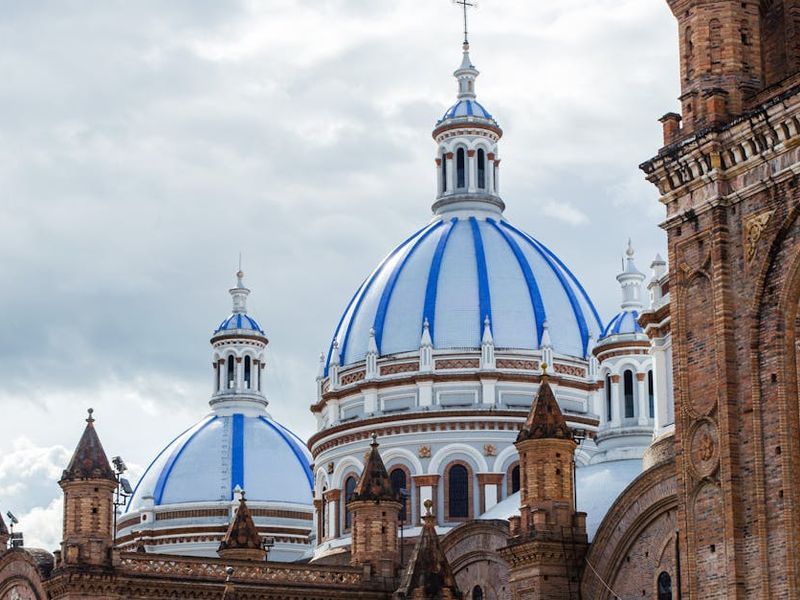
If you are planning your first trip to Cuenca, Ecuador, you’re headed to one of South America’s most visitor-friendly colonial cities. Nestled in the southern Andes and recognized as a UNESCO World Heritage Site, Cuenca blends cobblestone streets, blue-domed cathedrals, lively markets, and easy access to lakes and highland hikes. This guide will help you skip rookie mistakes and make the most of your time in the city.
Before you go: entry, currency and health basics
Cuenca is in Ecuador, which uses the U.S. dollar (USD). That makes budgeting straightforward if you’re coming from the United States. Check visa requirements for your nationality before travel: many travelers can stay up to 90 days, but rules vary.
Health-wise, Cuenca sits at about 2,560 meters (8,400 feet) above sea level. This altitude is moderate—most visitors feel fine, but mild symptoms like shortness of breath, headaches, or fatigue are possible. Hydrate well, avoid heavy exertion on day one, and limit alcohol. If you have heart or lung conditions or are prone to severe altitude sickness, consult your doctor beforehand.
Vaccines and travel insurance
Make sure routine vaccines are up-to-date. There are no unique mandatory shots for Cuenca, but travel insurance that covers medical treatment and evacuation is highly recommended—especially if you plan to hike in remote areas like Cajas National Park.
Getting there: airports and bus options
There are two practical ways to reach Cuenca: fly or take a long-distance bus. Cuenca’s own airport, Mariscal Lamar (CUE), handles domestic flights and some seasonal international connections. Many international travelers fly into Quito (UIO) or Guayaquil (GYE) and then take a short domestic flight to Cuenca.
Long-distance buses are an economical option and offer scenic routes: from Guayaquil it’s roughly 3–4 hours; from Quito it can be 7–10 hours depending on traffic and the route. Buses are comfortable and frequent; if you prefer the scenery and a slower pace, consider a daytime bus so you can see the landscape transition from coastal plains to highlands.
Getting around Cuenca: trams, taxis and walking
Cuenca’s Historic Center is compact and highly walkable. Cobblestone streets and steep alleys are part of the charm but wear comfortable shoes. For longer distances, the modern tram (Tranvía de Cuenca) crosses the city and is a convenient, affordable option—look for ticket kiosks and top-up cards at stations.
Taxis are inexpensive; always insist on the meter or agree on a fare before you get in. Many hotels and restaurants will call a licensed taxi for you. Ride-hailing apps exist but their availability and legality can fluctuate—ask locally. For short trips, a taxi typically costs a few U.S. dollars.
Where to stay: neighborhoods and what to expect
Choose accommodation based on what you want out of your trip. The Historic Center (Centro Histórico) puts you steps from Parque Calderón, the blue-domed cathedral, museums, restaurants, and lively nightlife. It’s ideal for first-timers who want to explore on foot.
If you prefer quieter residential streets with local bakeries and parks, look north of the center or in neighborhoods like El Batán and San Sebastián. These areas often offer more spacious apartments and a more local feel while still being a short taxi ride from the heart of the city.
Top things to do — landmarks, museums and viewpoints
Start at Parque Calderón, the city’s main square, surrounded by impressive colonial architecture. Don’t miss the New Cathedral with its striking blue domes—the best view can be had from the cathedral towers or surrounding plazas.
Walk along the Tomebamba River for beautiful riverside promenades and restored stone bridges. The Pumapungo Museum is an excellent introduction to local history and archaeological finds.
For panoramic views of Cuenca, take a taxi up to Mirador de Turi. It’s especially magical at sunset when the city’s red rooftops glow against the Andes.
Markets and crafts
Explore the local markets for fresh produce, traditional street foods, and artisanal goods. Nearby towns like Chordeleg and Gualaceo are famous for silverwork and woven crafts—perfect for day trips. Chordeleg is especially well known for jewelry; Gualaceo has vibrant open-air markets with leather, textiles, and food.
Day trips from Cuenca: nature, ruins and villages
Cajas National Park is one of the best day trips. Characterized by high Andean lakes, peat bogs, and rugged trails, Cajas offers fantastic hiking and wildlife viewing. Remember it’s considerably colder and windier than the city—bring layers and water.
Ingapirca archaeological site (about 1.5–2 hours away) showcases the largest known Inca ruins in Ecuador. The stonework and setting are impressive and can be visited with a guide or independently.
For artisan shopping and a taste of rural life, visit the towns of Gualaceo and Chordeleg. If you’re driving, the scenic route through the Cañar province reveals dramatic Andean landscapes and traditional towns.
Food and drink: what to try and where to eat
Cuenca’s cuisine blends Andean, coastal, and Amazon influences. Try hornado (slow-roasted pork), caldo de patas (tripe or beef soup in some places), and local cheeses and breads. Cuy (roasted guinea pig) is a traditional dish—try it if you’re curious, but it’s optional.
For dessert, look for vendors selling helados de paila, a traditional handcrafted ice cream churned in metal pans. Coffee in Ecuador is excellent; try a local roast with your mid-morning pastry.
Markets and local restaurants (known as ‘comedores’) offer the most authentic flavors at the best prices. For a more upscale meal, Cuenca has several high-quality restaurants near the Historic Center.
Tipping and dining etiquette
A 10% service charge may be included in the bill at restaurants—check the receipt. If service isn’t included, a 10% tip for good service is customary. When dining in markets or small eateries, cash is preferred.
Practical safety tips and common scams
Cuenca is generally considered safe for tourists compared to many large cities, but petty theft and pickpocketing do occur—especially in busy tourist areas. Keep valuables secure, use a money belt or hidden pouch, and avoid displaying expensive jewelry or electronics.
Common-sense precautions: don’t leave bags unattended, use hotel safes for passports and extra cash, and be cautious when using ATMs—prefer those inside bank lobbies. At night, stick to well-lit streets and use licensed taxis if you’re unsure about walking home.
Language and cultural tips
Spanish is the language of daily life in Cuenca; while you’ll find English in hotels and tourist services, learning a few basic Spanish phrases goes a long way and is appreciated by locals. Simple greetings and phrases like “buenos días,” “por favor,” and “gracias” are useful.
Ecuadorians are generally warm and polite. Greetings are often more formal than in Northern Europe or the U.S. — a handshake or a single cheek kiss is common when meeting someone. When entering small shops, a friendly greeting is customary and considered polite.
Money, shopping and bargaining
Cash is king for small purchases and markets. ATMs are common, and credit cards are accepted at mid- to high-end hotels and restaurants, but smaller vendors usually prefer cash. Carry small bills for taxis, market purchases, and tips—sellers may not have change for larger notes.
Bargaining is acceptable in markets and for crafts, especially in places like Chordeleg. Start by offering about 60–70% of the asking price and negotiate respectfully. For fixed-price stores and supermarkets, bargaining is not appropriate.
Packing checklist for Cuenca
- Layered clothing: mornings and evenings can be cool while midday is mild; include a warm sweater or light jacket.
- Waterproof jacket: rainy season typically runs from December to May, but showers can occur any time.
- Comfortable walking shoes for cobblestones and uneven paths.
- Sunscreen, sunglasses, and a hat: UV at altitude is stronger than it feels.
- Basic first-aid items and any prescription medication (with copies of prescriptions).
- Plug adapter if your electronics use a different type (Ecuador uses Type A/B plugs, 110–120V).
- Reusable water bottle and a small daypack for hikes or markets.
Connectivity: SIM cards and Wi‑Fi
Major Ecuadorian providers like Claro and Movistar operate in Cuenca. You can buy prepaid SIM cards at the airport, mobile stores, or electronics shops—bring your passport for registration. eSIM and international roaming options are also available for short stays. Many cafes and hotels offer free Wi‑Fi, but download offline maps and keep a local number if you’ll be coordinating tours or taxis.
Money-saving tips and best times to visit
Cuenca’s high season for international tourists is the dry season (June to September), which sees milder weather for hikes and clearer skies. Shoulder seasons (March–May and October–November) can offer lower prices and fewer crowds, but expect some rain.
To save money: eat at local markets, take buses instead of taxis for longer distances, and book excursions through local operators in town rather than international agencies. Shopping outside of the main tourist plazas often yields better prices for crafts.
Final tips for a smooth visit
Arrive with flexible expectations: Cuenca is relaxed and low-key compared to big capitals, and that pace is part of its charm. Allow time to acclimatize to altitude, take at least one day just to stroll the Historic Center, and leave room in your itinerary for spontaneous discoveries—an impromptu street market, a rooftop café, or a friendly recommendation from a local can become the highlight of your trip.
Above all, be respectful of local customs, support small artisans when possible, and enjoy the unique blend of history, nature, and culture that Cuenca offers. With a little preparation and an open mind, your first visit to this Ecuadorian gem will be rewarding and memorable.
Quick checklist before you fly
- Check entry and visa requirements for Ecuador.
- Buy travel insurance that covers altitude-related issues and evacuation.
- Tell your bank you’re traveling to avoid frozen cards and withdraw some USD before arrival.
- Pack layers, rain protection, comfortable shoes, and basic meds.
- Download offline maps and a phrasebook app, and consider a local SIM for data.
Enjoy your time exploring cobbled streets, river walks, and Andean vistas—Cuenca rewards curious travelers who come prepared.