
Table of Contents
Why Choose Cuenca for a Restful Dental Vacation?
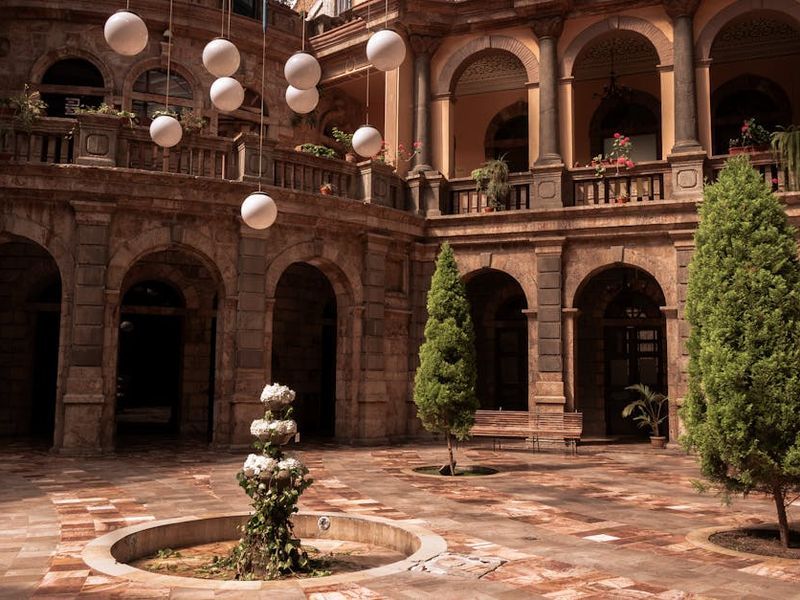
Cuenca blends excellent dental care, affordable prices, and an atmosphere made for unwinding. The city’s colonial heart, mild mountain climate, and compact size make recovery easy — strollable neighborhoods, quiet parks, and plenty of cafes provide the low-key pace you want after a procedure. Add a strong expat presence and many English-speaking clinics, and Cuenca becomes an ideal base for combining dental work with slow travel and self-care.
What Dental Services People Travel for
Visitors commonly come for crowns, bridges, veneers, root canals, extractions, full or partial dentures, and dental implants. Prices are typically lower than in North America or Europe, but quality varies, so verification is important. Many clinics offer digital x-rays, CAD/CAM crowns, and in-house or local labs. Some practices provide same-day crowns; others require a lab turnaround of one to two weeks.
How to Prepare: Before You Book
Preparation is the key to a relaxing dental trip. Start with a teleconsult: ask the clinic for a virtual consult using your current X-rays and photos. That helps get realistic timelines and cost estimates. Request the following in writing before paying any deposit:
- A detailed treatment plan and estimated number of visits
- Cost breakdown (procedure, materials, lab fees, follow-ups)
- Information on anesthesia and aftercare
- Guarantee or warranty terms (if any) and what follow-up care covers
Also gather copies of past dental records, current medications, allergies, and your passport and travel insurance details. If you take anticoagulants or have other systemic health issues, obtain medical clearance from your primary doctor.
Timing: How Long to Stay
Your itinerary depends on the procedure:
- Simple treatments (cleaning, fillings, single crowns, minor extractions): plan 5–10 days. A first visit for prep and impressions, a few days for lab work, and a return visit for placement.
- Implants: allow 3–6 months for full osseointegration. Many people schedule implant placement and then return for the final crown; some clinics offer immediate-load implants, but they require careful screening.
- Complex multi-unit work: budget 2–4 weeks including diagnostic work and lab time.
When planning, build in a few extra days for unexpected appointments, rest, and travel buffer time.
Choosing Where to Stay: Neighborhoods and Practicalities
Pick a base that supports a low-activity recovery: short walks, easy access to pharmacies, and calm evenings. Top neighborhoods include:
- Centro Histórico (El Centro): Charming cobblestones and Parque Calderón; great for sightseeing but can be lively — choose a quieter street or courtyard property.
- San Sebastián and El Vergel: A little more residential and peaceful, still close to dentists and restaurants.
- Hermano Miguel and Totoracocha: Short taxi rides to the center with a calmer, local vibe.
Look for accommodations with comfortable seating, reliable hot water, and kitchen facilities — helpful for soft-food meals during recovery. If noise bothers you, ask about courtyard rooms or higher floors away from street traffic.
Getting Around: Airport, Taxis, and Local Transport
Fly into Mariscal Lamar Airport (CUE), a short drive from downtown. Taxis, airport shuttles, and ride-hail apps are options; confirm fares ahead of arrival. In the city, taxis are inexpensive and readily available; many clinics will arrange pickups. Cuenca is highly walkable in the central areas, which is ideal when you want to rest between appointments and avoid long commutes after a procedure.
Language and Communication: Bridging the Gap
Many dental clinics in Cuenca have bilingual staff, but it’s smart to prepare a few things ahead of time. Ask the clinic if they provide:
- English-speaking coordinators or translators
- Written consent forms in English
- Post-op instructions in your language
Learn a few Spanish phrases related to dental care: dolor (pain), sangrado (bleeding), inflamar (to swell), and reposo (rest). This may make in-person interactions smoother and more reassuring.
Budgeting: Typical Costs and Payment Tips
Ecuador uses the US dollar, which makes budgeting straightforward. Cost ranges vary widely depending on materials and the clinic’s reputation, but the general idea is:
- Cleaning and basic fillings: low-cost, often a fraction of U.S. prices
- Crowns and veneers: typically significantly cheaper than in North America; materials (porcelain, zirconia) affect price
- Implants: often 40–70% lower than U.S. averages, depending on implant brand and whether bone grafting is needed
Payment methods vary: many clinics accept credit cards, bank transfers, and cash. Carry some cash for taxis, tips, and small purchases. Always get receipts and a written treatment summary showing materials used and dates.
Aftercare and Recovery: Comfort Strategies in Cuenca
After any dental procedure, prioritize rest and follow the clinic’s instructions. Practical tips for recovery in Cuenca:
- Stay hydrated; the highland air is dry. Drink water frequently and avoid alcohol for at least 48 hours after anesthesia or surgery.
- Altitude note: Cuenca sits around 2,500–2,600 meters (8,400 feet). If you’re not acclimatized, expect mild shortness of breath or fatigue for 24–48 hours. Rest rather than pushing yourself to walk long distances right away.
- Soft-food meal options: locro de papa (potato soup), mashed avocado, pureed vegetables, lentil soups, scrambled eggs, and soft plantains. Many local restaurants and mercados can prepare mild, soothing dishes on request.
- Pharmacies are plentiful — many open extended hours. Ask the clinic to write the exact medication name and dosage (in Spanish) to show a pharmacist.
Relaxation Ideas While You Recover
Keep activities gentle and restorative. Cuenca offers plenty of low-key ways to unplug:
- Strolls around Parque Calderón and the historic center; easy on the feet and full of charm.
- Slow mornings at a café: find a spot with comfortable seating and take advantage of Cuenca’s excellent coffee.
- Visit artisan towns like Chordeleg (silverwork) and Gualaceo (textiles): short, scenic day trips that combine culture with low-impact walking.
- Nature nearby: a calm excursion to El Cajas National Park (short drive) for mild walks and dramatic vistas — avoid high exertion the first 48 hours post-procedure.
- Spa or massage: many hotels and wellness centers offer gentle treatments; check that therapists understand your recent dental work.
Safety, Hygiene, and Choosing a Trustworthy Clinic
Prioritize clinics with transparent infection-control practices and clear explanations about sterilization, staff certifications, and lab partnerships. Questions to ask:
- Can you show sterilization procedures or certification?
- Which implant brands and laboratory partners do you use?
- Do you provide written aftercare and emergency contact information?
Read online reviews, ask for patient references, and request before-and-after photos of recent cases. Many reputable clinics will happily share a treatment gallery and patient testimonials.
Sample 7-10 Day Itinerary: Calm and Care
Here’s a sample schedule built around a typical crown or veneer workflow (adjust for your specific treatment):
- Day 1: Arrival, relax at accommodation, light walk in the afternoon to Parque Calderón.
- Day 2: Initial consultation and diagnostics (x-rays, photos). Clinic provides a treatment plan and timeline. Gentle dinner.
- Day 3: Tooth preparation and impressions (or scan). Return to rest and soft foods.
- Days 4–7: Recovery days — alternate light sightseeing, cafés, and naps. Use this time for low-impact activities like a guided craft-market visit or a gentle park picnic.
- Day 8: Crown/veneer placement and final adjustments. Clinic reviews aftercare instructions and schedules any follow-ups.
- Day 9–10: Free days for slow exploration or travel home, depending on how you feel.
Follow-Up and Long-Term Care
Before you leave Cuenca, ensure your clinic provides a clear follow-up plan. Get contact information for questions, and ask whether the clinic can coordinate with your dentist at home if needed. Keep digital copies of all records, x-rays, and treatment notes. If a warranty exists, understand the terms — some clinics require a follow-up visit within a specified time to keep guarantees valid.
Final Checklist Before You Travel
- Teleconsultation completed and written treatment plan received
- Travel insurance that covers dental complications or medical evacuation
- Copies of dental records and recent X-rays (digital files preferred)
- Prescriptions and a list of medications in Spanish
- Comfortable clothing, a travel pillow for recovery, and a small cooler if you prefer chilled soft foods
- Phone numbers: clinic, local emergency, embassy, and hotel/host contact
Wrap-Up: Make It a Healing Experience
A dental vacation in Cuenca can be a restorative blend of effective dental care and slow travel. With thoughtful planning — clear communication with your clinic, a realistic timeline, and a calm base to recover in — you can heal in one of Ecuador’s most beautiful cities. Treat the trip as an opportunity to unplug: savor slow meals, gentle walks in leafy plazas, and the relaxed rhythm of Cuenca life while your smile gets the care it needs.
Remember: the best trips happen when careful logistics meet the freedom to slow down. Plan ahead, ask questions, and allow yourself the space to rest — Cuenca is ready to welcome you.