
Table of Contents
Why Ingapirca Belongs on Your Cuenca Itinerary
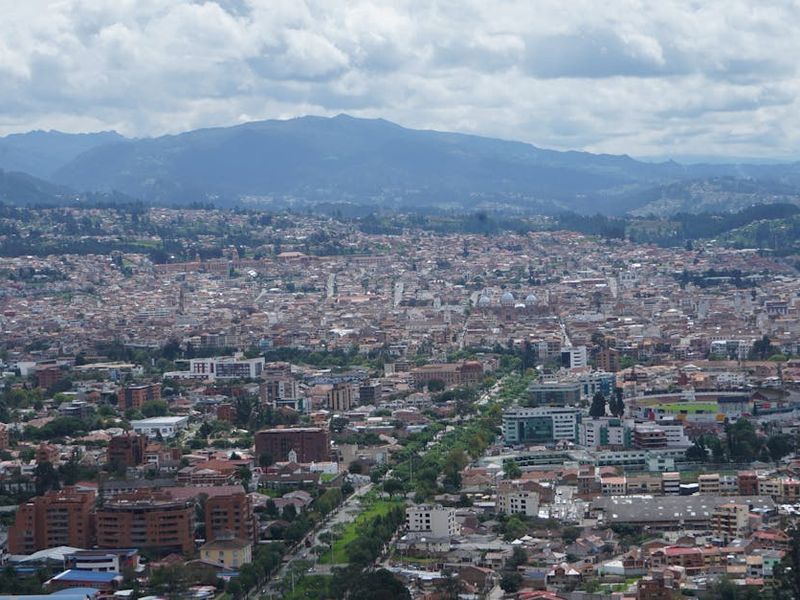
Just beyond the red-tiled streets of Cuenca lies one of Ecuador’s most evocative archaeological sites: Ingapirca. More than a pile of stones, Ingapirca is a cultural crossroads where the Cañari people’s earthworks meet the precision masonry of the Incas. For travelers based in Cuenca, a visit here delivers highland panoramas, archaeological mystery, and a chance to connect with living indigenous traditions.
Quick facts to know before you go
- Location: Ingapirca sits in Cañar province to the north of Cuenca, within a highland valley above 3,000 meters.
- Altitude: Over 3,000 meters (expect crisp air and possible mild altitude effects).
- Main attraction: The elliptical Temple of the Sun — a uniquely shaped Inca structure.
- Best time to visit: Dry months (June–September) for clearer skies; solstice celebrations in June provide cultural pageantry.
- Facilities: Small museum, on-site guides, and a visitor center; food options are limited so plan accordingly.
Short history: Cañari roots and Inca refinement
Ingapirca began as a Cañari settlement long before the Inca expansion reached this part of the Andes. The Cañari built terraces, defensive structures, and habitations suited to the highland climate, and when the Inca arrived they integrated the existing stonework and added their own architectural hallmarks—most notably the Temple of the Sun with its remarkably fine stone joins. The result is a layered archaeological palimpsest that tells a story of conquest, adaptation, and cultural exchange.
How to reach Ingapirca from Cuenca
There are a few practical ways to make the trip depending on your budget and preferred pace:
- Organized day tours: The simplest option—tours include transportation, a guide, and sometimes lunch. Good for travelers who want a stress-free day trip.
- Private car or taxi: Offers maximum flexibility; you can stop in artisan towns or take scenic detours. Ideal if you’re traveling with companions.
- Public transportation: Regular buses and colectivos run between Cuenca and towns in Cañar province. You may need a connection at a regional hub—ask at Cuenca’s bus terminal for current schedules. This is the most budget-friendly but requires more planning.
Whatever you choose, expect travel time measured in about a couple hours from Cuenca door-to-door, depending on stops and road conditions.
What to expect on-site: layout, highlights, and the museum
Begin at the visitor center to get oriented and see the small archaeological museum which houses pottery, tools, and explanations of the site’s development over centuries. From there, a marked trail leads through terraces, defensive walls, and finally to the elliptical Temple of the Sun—the best-preserved and most photogenic structure. You’ll also notice stone water channels, burial platforms, and remnants of residential areas. Local guides can point out astronomical alignments and explain how Inca builders interlocked stones without mortar.
The Temple of the Sun
This semi-elliptical structure captures attention because of its unusual shape and the quality of the stonework on its upper sections—clearly Inca. The lower platforms and some outlying features show the earlier Cañari foundations. The mix of styles makes the Temple of the Sun a superb example of cultural layering rather than a single-period monument.
Practical tips for a smooth visit
- Arrive early: Morning light is ideal for photography and cooler for walking. Weekdays are quieter than weekends.
- Dress in layers: Highland weather changes rapidly—sunny one minute, chilly and windy the next.
- Footwear: Wear sturdy shoes; paths are uneven and some sections are steep.
- Bring water and snacks: On-site food options are limited. Pack a picnic or arrange lunch in a nearby town.
- Cash: Credit cards aren’t guaranteed at smaller vendors; bring small bills for entrance fees and guide tips.
- Altitude: Take it easy your first day, stay hydrated, and pace your walk—if you feel dizzy or breathless, rest and descend if necessary.
- Respect the site: Stay on designated trails, don’t climb on fragile masonry, and don’t remove artifacts or stones.
Photography and timing—get the best shots
For dramatic images, aim for early morning when light slants across the stonework. Cloudy days can also be excellent for even lighting and moody skies. A wide-angle lens captures the Temple and surrounding terraces, while a telephoto lens helps isolate architectural details and distant mountain ridgelines. If you photograph locals, always ask permission, and consider buying a small souvenir as thanks.
Connecting with local culture: markets, artisans and festivals
Pair your visit with stops at nearby artisan towns. Places like Chordeleg are known for silverwork and filigree jewelry, while Gualaceo and Sigsig offer textiles, weaving, and vibrant market scenes. If you travel in June, seek out Inti Raymi (the Sun Festival) events—Ingapirca and surrounding communities often host ceremonies and reenactments to mark the solstice. These celebrations offer a rare chance to see traditional dress, music, and ritual performance—but treat them as cultural experiences rather than photo opportunities; ask before capturing images of sacred enactments.
Sample itineraries: half-day to overnight options
Choose a plan that fits your travel style.
- Half-day from Cuenca: Early departure, guided walk through the ruins for 2–3 hours, quick museum stop, return to Cuenca mid-afternoon. Best if you’re short on time.
- Full-day exploration: Combine Ingapirca with a visit to Cañar town’s market or Chordeleg. Take lunch in a local comedor (family restaurant) and leave time for relaxed photos and a guided talk at the site.
- Overnight cultural route: Stay in a family-run guesthouse near Ingapirca to experience evening village life and rising mist over the valley in the morning. This lets you see the ruins at sunrise and offers more time for nearby hikes or artisan shops.
Accessibility, safety and conservation concerns
The site is open to the public but is not fully accessible for wheelchairs—many pathways include steps and uneven stone surfaces. If accessibility is a priority, call ahead to inquire about ramps or accessible areas. From a safety standpoint, Ingapirca is generally safe for visitors, but carry essentials like water, sunscreen, and a basic first-aid kit. Conservationally, the site is fragile. Respect all signage, support entrance fees and guided programs that fund preservation, and consider buying crafts from reputable local vendors to support community stewardship.
What to eat and where to rest nearby
Food options at Ingapirca are limited to small on-site vendors or roadside eateries. In nearby towns, traditional highland fare includes hearty soups (such as locro), roasted meats, corn-based dishes, and fresh cheeses. For more comfortable lodging, return to Cuenca’s wide range of hotels and guesthouses. If you prefer to stay closer, ask at the visitor center for recommendations—there are family-run hosterías and campesino homestays where hosts serve home-cooked meals and share local stories.
Learning more: guides, museums and research
Hiring a local guide elevates your visit—the layer-by-layer history, the engineering techniques, and the ongoing archaeological work come to life in a way pamphlets can’t match. The on-site museum provides context with artifacts and explanatory panels, and regional university teams periodically carry out conservation work. If you’re especially interested in archaeology, look for lectures or exhibitions in Cuenca’s museums before or after your trip to deepen your understanding.
Final thoughts: making Ingapirca meaningful
Visiting Ingapirca is more than checking a box on a travel list; it’s stepping into a landscape where history and living culture intersect. Slow down, listen to the winds across the terraces, ask questions of local guides, and buy thoughtfully from artisans. Whether you come for the archaeology, the views, or the chance to observe a solstice celebration, Ingapirca rewards visitors who come prepared and leave with respect for the people who shaped this place across centuries.
Packing checklist (quick reference)
- Layered clothing and windproof jacket
- Sturdy walking shoes
- Water bottle and snacks
- Sunscreen, sunglasses and hat
- Small cash for entry, souvenirs, and tips
- Camera with spare batteries or power bank
With these practical tips and cultural notes, your visit to Ingapirca from Cuenca can be an illuminating, respectful, and unforgettable part of your Ecuador travels.