
Table of Contents
Why Cuenca’s Historic Center Is a UNESCO Treasure
In 1999 UNESCO recognized Cuenca’s historic center as a World Heritage Site for its exceptionally well-preserved Spanish colonial grid, layered with local Andean influences. The result is a compact city where cobbled streets, carved wooden balconies and baroque church facades sit alongside 19th- and 20th-century civic architecture. Visiting this area is less about one marquee building and more about experiencing a living, walkable fabric that shows how cultures, styles and centuries have intertwined.
Getting Oriented: The Heart of the Historic Core
Start at Parque Calderón, Cuenca’s central square and social hub. Facing the park are the cathedral complex and the principal municipal buildings — a useful compass point for the rest of your stroll. The city follows a clear Spanish grid here, with broad, tree-lined avenues and narrower lanes that spill down to the Tomebamba River. Because the historic center is compact, you can comfortably explore the main sights on foot in a day, or take two to dig deeper into museums and side streets.
The Blue Domes: Why They Matter
No visit to Cuenca is complete without admiring the New Cathedral’s iconic blue domes. Visible from many vantage points, these glazed domes are a relatively modern addition that changed the skyline and became an international symbol of the city. The cathedral complex itself reflects long building phases — a blend of local stonework, European-inspired proportions and richly decorated altarpieces inside.
Architectural Highlights to See
Cuenca’s architecture rewards slow looking. Rather than rushing from one landmark to another, pause at intersections to study doorways, cornices and small chapels. Here are the must-see types of structures and examples to note:
- Cathedrals and churches: The New Cathedral with its striking domes is the centerpiece, while older parish churches nearby offer quieter interiors and richly carved altars.
- Colonial houses: Look for inner patios, painted wooden balconades and thick adobe or stone walls. Many of these have been adapted into cafes, shops or small hotels.
- Riverfront walls and bridges: The Tomebamba River runs through the heart of Cuenca; its stone embankments, small bridges and riverside promenades frame views of the historic center.
- Public squares and arcades: Plaza de las Flores (the flower market) and small plazas off the main avenues host markets and street life, perfect for architectural observation among locals.
Museums and Sites That Explain the Layers
To understand the city’s architectural evolution, visit a few museums that link artifacts and ruins to buildings you see on the street. Museo Pumapungo is an essential stop: its exhibits on the pre-Hispanic and colonial periods are complemented by Inca terraces and interpretive ruins right in the garden. Nearby museums focused on local history, religious art and contemporary work offer context for stylistic shifts from baroque ornament to neoclassical restraint and modern interventions.
Where restoration meets daily life
One of the interesting aspects of Cuenca’s UNESCO zone is how historic buildings have been adapted. Former mansions now house boutique hotels, and former convents host cultural centers. These adaptations show both the challenges and opportunities of preserving architectural heritage in a living city: when old buildings find sustainable uses, they are more likely to be conserved well.
Best Viewing Points and Photo Spots
For panoramic shots of the blue domes and tiled roofs, head up to the Mirador de Turi. This hilltop viewpoint gives you a sweeping vista that’s especially striking at golden hour. For intimate architectural details, stroll along the Tomebamba’s riverside promenades where carved wooden balconies, stone bridges and fountains create layered compositions. Early morning is ideal for quieter streets and softer light — perfect for photographing door knockers, cornices and shadow lines on whitewashed walls.
Guided Tours vs. Independent Exploration
If you want historical background and access to lesser-known interiors (convents, private courtyards, small museums), book a guided architectural tour with a certified local guide. Tours often include anecdotes about building patrons, craftsmen and restoration challenges. If you prefer independent exploration, pick up a map at the tourist office or download a walking route and allow extra time for detours — many of the city’s best finds are around unmarked corners.
Practical Tips for an Architecture-Focused Visit
Use the following practical advice to make the most of your time in Cuenca’s heritage district:
- Wear comfortable shoes: Cobblestone streets and uneven sidewalks are charming but can be hard on ankles.
- Layer clothing: Cuenca sits at around 2,500–2,600 meters (8,200–8,530 feet) so temperatures are mild but changeable; mornings can be cool and afternoons warm.
- Sun protection: High altitude increases UV exposure — wear sunscreen, a hat and sunglasses.
- Bring small bills: Many small museums, vendors and cafés accept cash only. Ecuador uses the US dollar.
- Check opening hours: Many churches and museums close mid-afternoon for siesta or have limited opening days. Verify ahead for special exhibitions.
- Climb towers when available: Where towers or viewpoints are open to the public, a small fee often buys sweeping views that fully reveal urban patterns.
Local Crafts, Markets and Where to Eat
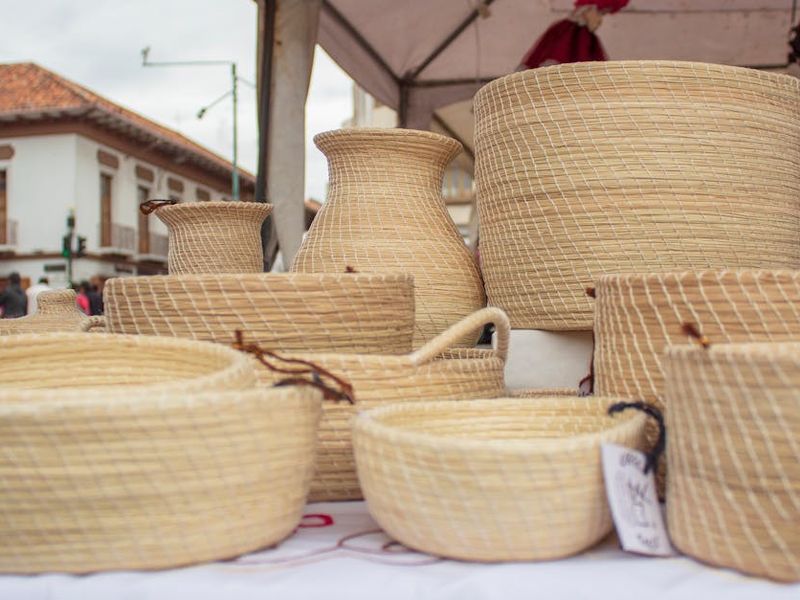
Exploring the city’s architecture pairs perfectly with sampling local crafts and food. The flower market (Plaza de las Flores) and small artisan stalls around Calle Larga are good for toquilla straw hats (often called Panama hats), silverwork, and textiles. For a break between sights, try a café on a plaza or a local restaurant serving soups and Andean specialties — many of the best dining spots occupy restored colonial houses with beautiful courtyards.
Seasonal Considerations and Events
Cuenca enjoys a temperate climate year-round, but small seasonal shifts can affect your visit. The drier months (roughly June to September) tend to offer clearer skies, which are preferable for photography and hilltop views. Cultural events and religious festivals — often with processions, music and altar displays — provide an opportunity to see churches in active use and witness traditional craftsmanship. Check local event calendars for major dates like Holy Week, Corpus Christi and other community festivals.
Safety and Respectful Visiting
The historic center is generally safe and pedestrian-friendly during the day, though standard urban precautions apply: watch your belongings in crowded markets and avoid poorly lit side streets late at night. Many historic sites are active places of worship or community life; be respectful during services, and follow posted rules about photography, especially inside chapels and museums.
Day Trips to Complement the Historic Center
Consider short excursions outside the core to enhance your architectural understanding of the region. Nearby villages showcase vernacular Andean architecture, while archaeological sites reveal pre-Columbian urban planning that influenced colonial foundations. These day trips provide context on how indigenous stonework and Spanish urban models merged in places like Cuenca.
How UNESCO Helps — And What You Can Do
UNESCO listing brings international attention and incentives for conservation, but preservation depends on local stewardship and sustainable tourism. As a visitor, you can help by supporting small museums and restored heritage hotels, hiring local guides, and buying crafts directly from makers. Small gestures help fund maintenance and keep restorations faithful to original materials and techniques.
Sample One- and Two-Day Architectural Itineraries
Short on time? Here are two focused options:
- One-day itinerary: Morning at Parque Calderón and New Cathedral; mid-morning walk to Plaza de las Flores and riverside promenades; lunch in a colonial courtyard; afternoon at Museo Pumapungo; sunset at Mirador de Turi.
- Two-day itinerary: Day one as above; day two, start at the Old Cathedral and nearby parish churches, take a guided walking tour of Calle Larga and hidden courtyards, visit a small artisan workshop and end with a relaxed dinner on a terrace overlooking the Tomebamba.
Final Thoughts: Slow Travel Through Stone and Sky
Cuenca’s UNESCO historic center is best savored slowly. The city is not only about grand facades and cathedral domes — its charm lies in the small details: the curve of a balcony, the weathered stone of a bridge, the way sunlight hits a courtyard fountain. Spend time in plazas, listen for church bells, and let the layered stories of indigenous craft, Spanish design and modern life reveal themselves one street at a time.
Whether you come with an architectural checklist or simply a curiosity for beautiful places, Cuenca’s historic center offers a humane, accessible experience of cultural continuity and thoughtful preservation. Take your time, bring a notebook or camera, and enjoy one of South America’s most graceful urban ensembles.