
Table of Contents
Why spend a week in Cuenca?
Cuenca, Ecuador’s elegant colonial jewel in the southern Andes, rewards slow travel: cobbled streets, river promenades, colonial churches with blue domes, lively artisan markets, and highland scenery on the city’s doorstep. Seven days gives you time to explore the historic core, sample local cuisine, visit museums, take at least one mountain hike, and slip off for artisan towns and viewpoints without rushing.
Quick practical notes before you go
Cuenca sits at about 2,560 meters (roughly 8,400 feet). If you’re coming from sea level, allow a gentle first day for acclimatization: take it easy, drink plenty of water, and avoid intense exercise. The city’s weather is mild but changeable — bring layers and a lightweight rain jacket. The currency is the US dollar, credit cards are widely accepted in restaurants and hotels, but bring cash for markets and taxis. Spanish is the primary language; a few words of Spanish will open doors and smiles.
How to get around
The historic center is compact and eminently walkable; many of the best sights are a 10–20 minute stroll from Parque Calderón. Taxis are inexpensive — always confirm the fare before you ride or ensure the driver uses the meter. There are also local buses and occasional ride-hailing apps; if you rent a car to explore the countryside, be ready for narrow mountain roads and variable signage.
Top sights to see during your week
These highlights should be part of any 7-day plan:
- Parque Calderón — the beating heart of the Centro Histórico, surrounded by cafés and the famous cathedral with its blue domes.
- Catedral de la Inmaculada Concepción (New Cathedral) — admire the architecture and, if possible, climb or visit a rooftop view for photos of the domes and plaza.
- Museo Pumapungo — an excellent archaeological and ethnographic museum with adjacent Inca-period ruins and landscaped gardens.
- Río Tomebamba riverwalks — peaceful promenades under colonial balconies and flowering trees; perfect for evening strolls.
- Mirador de Turi — a short drive uphill for a panoramic view of the city and surrounding valley.
- El Cajas National Park — day-trip essential for hiking glassy highland lagoons and páramo scenery.
- Gualaceo and Chordeleg — nearby artisan towns known for textiles and silver jewelry; ideal for a half- or full-day trip.
Seven-day itinerary: a balanced plan
This sample itinerary mixes sightseeing days with downtime and day trips so you can enjoy Cuenca’s pace.
Day 1 — Arrival, acclimatization, and a gentle walk
Check into a centrally located hotel or guesthouse in the Centro Histórico or the San Sebastián neighborhood. Spend a relaxed afternoon at Parque Calderón soaking in the atmosphere. Visit the New Cathedral from outside and wander the nearby narrow streets. End the day with an early dinner at a nearby restaurant serving local dishes like locro de papa (potato-and-cheese soup) or a platter of hornado (slow-roasted pork).
Day 2 — Museo Pumapungo and local markets
Dedicate the morning to Museo Pumapungo. The museum combines archaeological displays with living garden areas and visible ruins — a great introduction to the region’s indigenous past. For lunch, try a market near the center where you can taste traditional soups, empanadas and fresh juices. Use the afternoon to explore artisan shops along the riverside and buy a handwoven textile or a paja toquilla (Panama-style hat).
Day 3 — El Cajas National Park day trip
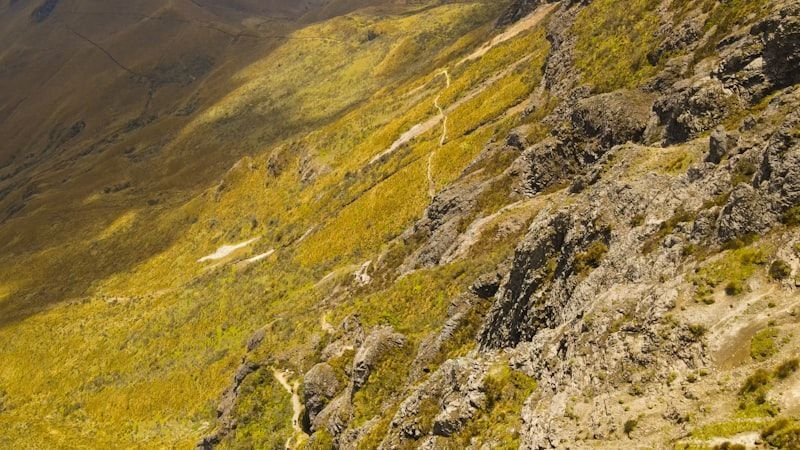
Book a guided day trip to El Cajas National Park. The park is a high-altitude wonderland of glacial lakes, rolling páramo and short, rewarding hikes — Laguna Toreadora and Laguna Llaviuco are popular options. Dress in layers, bring water, snacks, and a waterproof jacket. If you prefer self-guiding, check local transport schedules or hire a driver for the day.
Day 4 — Gualaceo and Chordeleg: crafts and culture
Take a half- or full-day tour to the artisan towns of Gualaceo and Chordeleg. Gualaceo has a lively local market where you can find textiles, ceramics and everyday goods. Chordeleg specializes in fine silverwork and jewelry — a great place to browse for handmade pieces and watch silversmiths at work. Having lunch in one of these towns gives you a taste of rural Andean cuisine and hospitality.
Day 5 — Museums, galleries and a cooking class
Spend a slower day exploring Cuenca’s museums and galleries. Beyond Pumapungo, look for exhibitions at the city’s cultural centers and the Banco Central museum to see pre-Columbian artifacts. In the afternoon, consider a small-group cooking class: learn to make empanadas, ceviche variations, or a traditional dessert — a hands-on way to deepen your food knowledge.
Day 6 — Turi viewpoint, San Sebastián and riverside cafés
Start the day with a short trip up to Mirador de Turi for panoramic views of Cuenca. Return via the artsy San Sebastián neighborhood where cobbled lanes lead to boutique shops and small cafés. Stroll the Tomebamba riverwalk in the late afternoon and choose a terrace restaurant for sunset and people‑watching.
Day 7 — Leisure day and last-minute shopping
Use your final day for anything you missed: a leisurely museum, a trip to a local market for souvenirs, or simply sitting in a plaza with coffee and watching the world go by. If you have an evening flight, plan a relaxed last meal and allow extra time for transport to the airport.
Food and drink: must-try dishes and where to find them
Cuenca’s culinary scene mixes traditional highland fare with inventive restaurants. Don’t miss:
- Locro de papa — a comforting potato and cheese soup often served at breakfast or lunch.
- Hornado — oven-roasted pork served with mote and plantains.
- Cuy — roasted guinea pig, a local specialty best approached with an open mind.
- Empanadas de viento — cheese-filled, airy fried empanadas with sugar on top.
- Panama-style hats (sombreros de paja toquilla) — though not unique to Cuenca, artisan hat shops here sell high-quality woven hats.
For coffee lovers, Cuenca has a robust café culture — try a local brew at any small café near the river or plaza. Markets and food halls are the best places for affordable, authentic meals.
Day trips and nearby escapes
Beyond El Cajas and Chordeleg/Gualaceo, consider shorter excursions:
- Turi Market and viewpoint — not just the viewpoint: local artisans sell small souvenirs and snacks.
- Sigsig or nearby villages — for a glimpse of rural highland life, small-town churches and quiet plazas.
- Short hikes along the Río Tomebamba or urban green belts — easy options for mornings when you want fresh air without a long drive.
Where to stay: neighborhoods and lodging tips
Centro Histórico is the best area for first-time visitors: you’ll be close to major attractions, restaurants and evening life, and it’s safe and well-lit. If you prefer a quieter, more residential feel, look for guesthouses in the San Sebastián neighborhood, where tree-lined lanes and small plazas give a village-like vibe while still being a short walk from the center. Consider a place with breakfast included for a smooth morning start.
Health, safety and money matters
Cuenca is considered one of Ecuador’s safer cities, but normal urban precautions apply: keep valuables secure, use hotel safes when possible, and avoid poorly lit streets late at night. Altitude is the biggest health consideration: hydrate, eat light meals the first 24 hours, and take it easy on unexpected exertion. If you rely on medication, bring an ample supply and copies of prescriptions. Tap water is generally treated — many travelers prefer bottled water in the first days; use your judgment.
Money-wise, carry small bills for markets and taxis; many shops accept cards but small vendors and markets often don’t. Tipping in restaurants is customary — check the bill as a service charge may already be included.
Practical tips to get the most from your week
- Book major day trips in advance — El Cajas and artisan tours fill up on weekends.
- Wear comfortable shoes — cobblestones and uneven sidewalks are everywhere.
- Bring a reusable water bottle — many hotels will refill it for you.
- Learn a few Spanish phrases — locals appreciate the effort and service can be friendlier.
- Plan rest between busy days — a week in Cuenca is best enjoyed at a relaxed pace.
Seasonal considerations
Cuenca’s climate is generally mild year-round, but weather can vary day to day. Bring a light rain jacket and layers you can add or remove as the temperature changes from morning to night. Peak tourist months can mean higher prices and busier restaurants; traveling shoulder-season allows quieter experiences at the same sights.
Final thoughts: savoring Cuenca
Seven days in Cuenca is the sweet spot: enough time to absorb the city’s relaxed charm while still fitting in memorable day trips into the Andes and artisan regions. Move slowly, visit a few museums, try local dishes, and leave time to simply sit in a plaza with a coffee and watch the world go by. That’s when Cuenca reveals itself — not as a checklist of landmarks, but as a place with rhythm, tradition, and a warm welcome.
Whether you’re an art lover, an outdoor enthusiast, a foodie, or someone who savors cultural immersion, Cuenca rewards travelers who give it time. Use this week-long plan as a guide, and don’t be afraid to linger where you love — that’s the best way to discover your favorite parts of this Ecuadorian gem.