
Table of Contents
Introduction: A Dental Vacation That Actually Feels Like One
Imagine replacing missing teeth or upgrading your smile with high-quality dental implants, crowns, or veneers—and recovering in a charming colonial city with mild weather, excellent food, and dramatic mountain scenery. That place exists: Cuenca, Ecuador. For discerning patients from the United States, Canada, and Europe, Cuenca is rapidly becoming the global gold standard for dental tourism. Dramatically lower prices (often 60–70% less than in the US/Canada), highly trained clinicians, modern clinics with advanced technology, quick scheduling, and a restorative travel experience make Cuenca hard to beat.
Why Cuenca Outshines Other Dental Tourism Destinations
Many countries now market themselves for dental work, but Cuenca has a unique combination of strengths that elevate it above others. Here’s what makes Cuenca exceptional:
- Huge cost savings: Expect 60–70% lower prices for implants, crowns and veneers compared to typical US/Canadian fees, without sacrificing quality.
- Highly trained dentists: Local clinicians are often graduates of top Ecuadorian universities and many have international training or certifications.
- Modern clinics and labs: Many practices use digital workflows, CBCT imaging, intraoral scanners, and on-site dental laboratories.
- Short wait times: Appointments and surgery dates are typically available in days or weeks, not months.
- Perfect recovery setting: Cuenca’s mild climate, low crime relative to many cities, and relaxed pace make it ideal for healing.
- World-class value: You can get multiple procedures and enjoy a multi-week cultural immersion for the price of a single procedure back home.
Costs and Value: How the Math Favors Cuenca
Cost is the most common reason people consider dental tourism. Let’s look at realistic examples to illustrate the value.
In the United States and Canada, a single dental implant (implant + abutment + crown) often ranges from $3,000 to $6,000—or more depending on the provider and region. In Cuenca, that same package frequently costs 60–70% less. While exact prices vary by clinic and materials used, many reputable clinics offer full implant packages in the $900–$2,200 range. That means you can feasibly replace multiple teeth in Cuenca for the price of one implant at home.
Veneers and crowns also follow the same pattern. Porcelain veneers that might cost $1,200–$2,500 per tooth in North America can often be done in Cuenca for $350–$800 per tooth. When you factor in the high-end equipment, personalized care, and warranties many clinics include, the savings translate into a clear financial advantage and real value.
Clinical Excellence: Trained Dentists and Cutting-Edge Technology
Quality should never be sacrificed for cost, and in Cuenca it isn’t. Many dentists in the city are educated at top universities in Ecuador and some have completed postgraduate training or fellowships abroad. Clinics invest heavily in technology—digital radiography, cone beam CT (CBCT), 3D planning software, CAD/CAM milling machines, and intraoral scanners are common. This allows precise implant planning, same-day temporary crowns, and high-quality lab work.
Several clinics have on-site dental laboratories staffed by experienced ceramists who can customize color, shape, and fit. This integrated workflow shortens overall treatment time and improves aesthetic outcomes. Additionally, many dentists offer sedation dentistry options and comprehensive diagnostic work-ups, including digital smile design—and they often provide treatment plans in English.
Immediate Availability and Streamlined Treatment Timelines
One of the biggest frustrations patients face at home is long wait lists and delayed treatment timelines. In Cuenca, scheduling is efficient. If you need an implant, you can often get an initial consultation within days and a surgical appointment within a week or two. Full workflows for implants with temporary restorations can be completed in a few weeks, and many clinics coordinate accelerated protocols when clinically appropriate.
This means you can plan a dental vacation that truly fits a short travel window. For more complex full-mouth reconstructions, clinics customize a staged plan so you can maximize time in Cuenca while following proper healing schedules.
The Healing Advantage: Why Cuenca is Ideal for Recovery
Recovery after dental implant surgery or extensive restorative work is as important as the procedure itself. Cuenca offers a gentle climate (average temperatures in the 50s–70s°F / 10–25°C), clean mountain air, and a low-stress environment that supports healing.
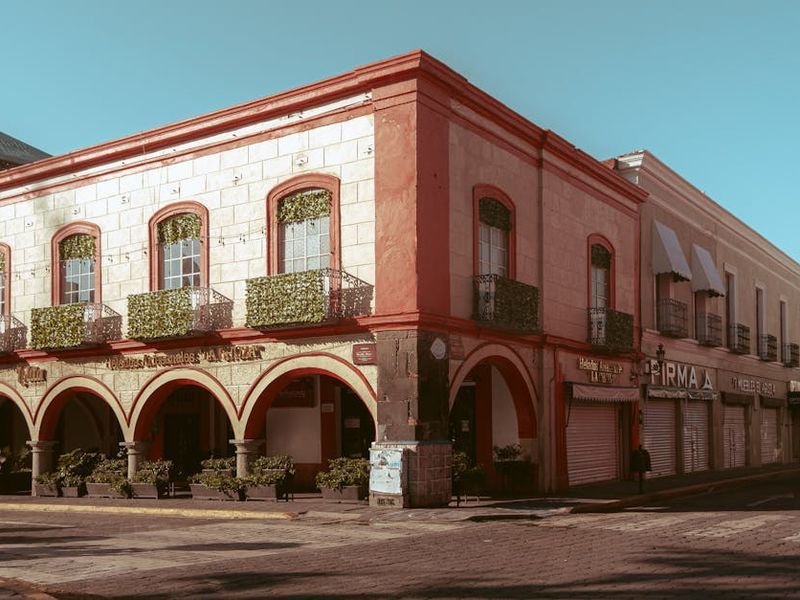
The historic center’s cobblestone streets, tree-lined parks, and tranquil cafés provide peaceful places to rest. Local cuisine is fresh and nourishing—the region’s soups, fish, and vegetable-based dishes are ideal during soft-food recovery. Many hotels and short-term rentals cater to international patients with comfortable beds, easy access to clinics, and kitchens for home-cooked meals.
Combine Treatment with Tourism: What to Do Between Appointments
Cuenca is a UNESCO World Heritage city with enough culture, outdoor activities, and day trips to keep you engaged between dental appointments. Planning your downtime wisely will accelerate healing and make your dental vacation feel like a true retreat.
- Historic center and Parque Calderón: Gentle walks through the colonial core let you enjoy architecture without strenuous activity.
- El Cajas National Park: Short drives to lakes and gentle hikes offer restorative nature therapy—perfect for low-impact outings.
- Artisan markets and local cuisine: Spend afternoons sampling chocolate, coffee, and hearty soups (locro) which are easy on your mouth during recovery.
- Hot springs and spa days: Several nearby hot springs and wellness centers offer relaxation in minutes from the city.
- Crafts and museums: The Museum of Modern Art and Panama hat workshops provide cultural outings without physical strain.
Choosing the Right Clinic: Questions to Ask and Red Flags to Avoid
Selecting a clinic is the single most important decision for a successful dental vacation. Here are practical tips and questions to guide your choice:
- Ask about the dentist’s education and post-graduate training. Look for affiliations with professional organizations and continuing education certificates.
- Confirm the clinic’s technology: Do they offer CBCT imaging, digital impressions, and CAD/CAM labs?
- Request before-and-after photos of similar cases and ask for patient references or reviews.
- Clarify the full cost, including implants, abutments, crowns, anesthesia, and any follow-up visits.
- Ask about warranties or guarantees on implants and prosthetics, and what the clinic offers for complications.
- Verify infection control standards and sterilization procedures.
- Avoid clinics that quote extremely low prices without documentation or those that refuse to share images of their facilities.
Practical Travel Tips: Planning Your Dental Vacation to Cuenca
Planning ahead makes the experience smooth and stress-free. Here are step-by-step tips:
- Collect dental records: Bring X-rays, CT scans, and treatment history. Many clinics can work from digital files if you email them ahead of time.
- Coordinate timing: Discuss a proposed treatment schedule with your clinic before booking flights so your itinerary aligns with surgical and follow-up visits.
- Book a comfortable base: Choose hotels or rentals near the historic center or close to your clinic. Many properties cater to international patients and can arrange transportation.
- Travel insurance: Purchase comprehensive travel and medical insurance that covers dental tourism complications when possible.
- Bring medications: If your clinic prescribes antibiotics or pain meds, bring extra from home or confirm local availability at Cuenca pharmacies.
- Stay hydrated and acclimate: Cuenca sits at around 2,560 meters (8,400 feet). Spend a day or two adjusting to altitude before major procedures and avoid heavy exertion immediately after surgery.
Language, Communication and Patient Care
One of the recurring patient testimonials is about personalized, one-on-one attention from Cuenca dental teams. Many dentists and staff speak English, and clinics often provide written treatment plans and estimates in English. If language is a concern, ask clinics about translators or bilingual coordinators—these services are commonly available and affordable.
Expect a more personal approach: Cuenca clinics tend to spend significant time on consultations, patient education, and post-op follow-up. This individualized care often creates trust and ensures better outcomes.
Safety, Accreditation and Follow-up Care
Safety and continuity of care are essential. Look for clinics that follow international sterilization protocols and those that are part of recognized professional associations. Many clinics have formal follow-up plans and will coordinate postoperative care either in person or via telemedicine with your local dentist after you return home.
If complications do occur, Cuenca has private hospitals and emergency services with modern standards. Additionally, many clinics offer written warranties for prosthetics and implants with clear terms—ask for these in writing before treatment.
Realistic Itineraries: How to Structure a Dental Vacation
Here are two realistic sample itineraries that combine common dental procedures with downtime and sightseeing:
Short Stay (10–14 days): Single Implant or Veneer Work
- Day 1–2: Arrive, acclimate, initial consultation and imaging.
- Day 3–4: Implant placement or tooth preparation for veneers/crowns.
- Day 5–10: Rest and light sightseeing—historic center, markets, gentle nature walks.
- Day 10–12: Follow-up, placement of temporary crown or post-op check; finalize scheduling for final restoration within weeks.
Longer Stay (3–6 weeks): Multiple Implants or Smile Makeover
- Week 1: Comprehensive evaluation, imaging, surgical planning.
- Week 2: Implant surgery (staged if needed) and early healing.
- Week 3–4: Placement of temporaries, minor adjustments, and cultural exploration—Cajas day trips, art and food tours.
- Week 5–6: Delivery of final crowns/veneers and final checks before returning home.
Stories and Social Proof: Why Patients Keep Coming Back
Patients often share similar praises: the affordability allowed them to do more (multiple implants, whitening, veneers), the care felt personal and attentive, and the city itself was a highlight. Many visitors return for routine maintenance, additional work, or recommend friends and family. These repeat referrals build a strong patient community and reflect consistent clinical quality.
Final Thoughts: A Smart Investment in Health and Travel
Choosing Cuenca for dental implants, crowns, or veneers is about more than saving money—though the 60–70% savings is compelling. It’s about accessing experienced dentists, modern clinics, and high-quality laboratory work while recovering in a beautiful, restorative environment. Short wait times, combined with tailored care and the ability to enjoy Ecuadorian culture and nature, make Cuenca arguably the best place in the world for a dental vacation.
If you’re considering implants or a smile makeover, start by gathering your dental records and contacting a few reputable Cuenca clinics for initial quotes and treatment timelines. With the right planning, your dental vacation can leave you with a healthier mouth, a brighter smile, and memories of a tranquil Andean city that doubled as a healing retreat.
Cuenca isn’t just a destination for dental work—it’s a destination for transformation.