
Table of Contents
Why Cuenca’s Historic Center Matters
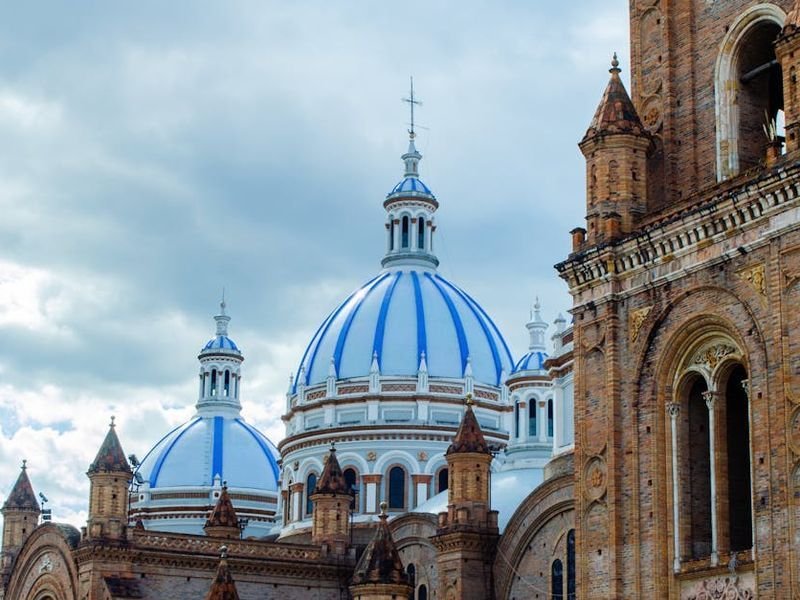
Cuenca, nestled high in the Andes at roughly 2,560 meters, is more than a pretty skyline of blue domes and red tile roofs. In 1999 the city center was inscribed as a UNESCO World Heritage site because it preserves a distinctive fusion of Spanish colonial urban planning and Andean culture. Walking the stone streets today, you encounter layers of history: convents and cathedrals, Inca terraces and colonial mansions, riverfront neighborhoods and artisan workshops that help tell Ecuador’s story.
What Makes the Architecture Unique
The character of Cuenca’s architecture comes from contrast and continuity. From the imposing Cathedral of the Immaculate Conception with its signature blue domes to the intimate courtyards of the old monasteries, architecture here blends Baroque and Neoclassical forms with local materials and craftsmanship. Look for carved wooden doors, ironwork balconies, clay tile roofs, and the city’s elegant plazas and arcades. The urban grid, wide avenues and tree-lined parks reflect Spanish planning ideals adapted to Andean topography.
Historic Highlights to Look For
- Plaza de Calderón: the vibrant heart of the old town and a great starting point for exploring nearby churches and museums.
- Catedral Nueva (Cathedral of the Immaculate Conception): famous for its striking blue-tiled domes and the option to climb one of the towers for a bird’s-eye view.
- El Sagrario (Old Cathedral): an elegant colonial church next to the newer cathedral, now used for exhibitions and cultural events.
- Barrio El Barranco: a cliffside neighborhood descending to the Tomebamba River with colorful houses and photo-worthy viewpoints.
- Pumapungo: archaeological terraces, the Museo Pumapungo and living water channels that reveal pre-Hispanic layouts beneath the colonial city.
- Monasterio de las Conceptas: a well-preserved convent with serene cloisters and colonial religious art.
A Practical Walking Route for Architecture Lovers
Cuenca’s compact historic core is best explored on foot. Here’s a curated route that balances iconic sites with quieter architectural gems. Start at Plaza de Calderón and allow three to four hours for the loop (longer if you visit multiple museums):
- Begin at Plaza de Calderón: admire the surrounding neoclassical facades and grab a coffee at one of the nearby cafés.
- Visit Catedral Nueva: take time to photograph the blue domes and, if open, purchase a ticket to climb a tower for panoramic views.
- Walk to El Sagrario and the Museo de las Conceptas: explore religious art and cloistered spaces that reveal colonial devotional life.
- Stroll down Calle Larga toward Pumapungo: this axis shows the transition from civic to archaeological spaces.
- Explore Museo Pumapungo and the ruins: examine Inca terraces, ancient stonework and the ethnographic exhibits inside the museum.
- Cross to Barrio El Barranco and follow the riverfront: photograph riverside houses, bridges and reflections in the Tomebamba.
- Finish at Museo del Banco Central or Casa del Alabado for more context on the region’s artistic heritage.
Best Times to See the Architecture
Cuenca enjoys a mild spring-like climate year-round, but weather patterns affect both photographic light and walking comfort. The driest months are June through September—ideal for long walks, rooftop photos and climbing towers. The rainy season, typically January to May, brings lush green landscapes and fewer tourists, which can be rewarding if you don’t mind an umbrella. Plan morning visits for quieter museums and softer light for photographing facades; late afternoon golden hour along the Tomebamba highlights the warm tones of the stone and tile roofs.
Timing for Special Access
Many religious sites and smaller museums have limited hours, especially on Sundays and religious holidays. If you want to climb the cathedral towers or join a guided conservation tour, check opening times in advance. Weekdays often offer guided tours by local historians and restorers—valuable for understanding the layers of the city’s fabric.
Conservation, Restoration and Responsible Visiting
Part of Cuenca’s UNESCO recognition depends on ongoing conservation. You’ll see scaffolding and restoration projects in many streets: facades being stabilized, colorful tiles being replaced, and historic wooden elements conserved. Visitors can support preservation by choosing licensed guides, paying museum fees, and buying from local artisans instead of mass-produced imports.
Respectful Behavior and Photography
Religious services are still held in many historic churches—be mindful of worshippers, avoid using flash in sanctuaries, and ask permission before photographing clergy. Drones are increasingly restricted in the historic center; if you plan aerial photography, verify local regulations and secure permits. Leave architectural graffiti-free and follow any signage restricting access to sensitive restoration sites.
How to Get Around and Practical Tips
Cuenca is walkable, but the terrain includes cobblestones and occasional steep streets. Wear comfortable shoes and layer clothing for variable mountain weather. The city uses the US dollar, ATMs are widely available, and many establishments accept cards, though small vendors prefer cash.
- Airport access: Mariscal La Mar airport lies about 25–30 minutes from the historic center; taxis and airport shuttles are the easiest option.
- Local transport: taxis are affordable for short hops; agree on the fare or ensure the meter is used. There are also inexpensive buses, but they are less convenient for tourists carrying luggage.
- Accessibility: many historic buildings have stairs and limited wheelchair access. If you have mobility needs, call ahead to museums and churches to check accommodations.
Where to Learn More: Tours and Museums
Guided tours deepen appreciation of details you might miss on your own: mortar joints, building phases, and the stories behind plaques and coats of arms. Look for architects, historians or certified city guides who focus on heritage conservation. Highlights include the Museo Pumapungo for pre-Hispanic and colonial context, Casa del Alabado for ancient art, and the small municipal museums that rotate exhibitions on restoration projects.
Specialized Experiences
For a different angle, seek out a restoration workshop or lecture. Occasionally, the municipal heritage office hosts behind-the-scenes visits where you can see conservation labs and learn about the techniques used to restore plaster, wood and tile. These experiences deepen your understanding of why preservation matters and how the city manages modern needs alongside historic protection.
Neighborhoods, Markets and Nearby Artisan Towns
Cuenca’s historic area is surrounded by neighborhoods that extend the architectural adventure. Barrio San Sebastián hosts charming churches and artisan shops; the Mercado 9 de Octubre and Mercado Central bustle with food vendors—an architectural backdrop of tiled roofs and open stalls. If your interest includes crafts, day trips to nearby towns like Chordeleg (known for silver filigree jewelry) and Gualaceo (textiles and weaving) complement a visit to Cuenca with living artisan traditions.
Food, Rest and Photography Spots
Food culture is part of the city’s charm. Plaza-centered cafés and small restaurants near the cathedral are great for a pause between visits. Try local dishes like ceviche de chocho, slow-roasted hornado, and empanadas de viento while watching the daily life flow past colonial arcades. For photos, aim for these spots:
- Tomebamba riverbank at golden hour for reflections of roofs and bridges.
- Mirador de Turi for a panoramic sweep of the city and the cathedral domes.
- El Barranco viewpoints for colorful facades on the cliffs.
- Cobblestone alleys in the early morning for quiet, shadow-rich details of doors and balconies.
Safety, Etiquette and Sustainability
Cuenca is generally considered safe, but common-sense precautions apply: keep valuables discreet, avoid poorly lit alleys at night, and carry a copy of your ID rather than the original. Support small-scale tourism by buying handcrafts directly from makers, choosing local guides, and minimizing single-use plastics. Respect private property—many colonial homes are lived in, not just attractions.
Sample One-Day Itinerary Focused on Architecture
For travelers short on time, here’s a condensed day plan that balances walking, museums and viewpoints:
- Morning: Start at Plaza de Calderón, visit Catedral Nueva and climb a tower if available.
- Late morning: Explore El Sagrario and the Museo de las Conceptas to see colonial cloisters and religious art.
- Lunch: Eat near Calle Larga and enjoy people-watching on the pedestrianized avenues.
- Afternoon: Walk to Museo Pumapungo and the archaeological terraces; spend time in the museum to understand the pre-colonial foundations of the city.
- Late afternoon: Cross to Barrio El Barranco and head to the Tomebamba riverbank; end at Mirador de Turi for sunset colors over the domes.
Final Thoughts: Take Time to Notice the Details
Cuenca’s UNESCO designation invites more than a checklist approach. To truly appreciate the historic center, slow down. Sit in a plaza, listen to church bells, and look closely at the joints where stone meets wood. The architecture is not static: it’s a living, evolving city where artisans, clergy, scholars and everyday families contribute to the maintenance of a centuries-old urban fabric. By choosing responsible tours, supporting local craftspeople, and learning a little about conservation, you’ll leave Cuenca with photographs and memories—and with a deeper sense of why this city matters to world heritage.
Whether you are an architecture enthusiast, a cultural traveler, or a curious photographer, Cuenca offers a rich, layered experience. Bring good shoes, a light jacket, a willingness to wander, and an appetite for both history and the delicious local cuisine. The historic center rewards those who look beyond the domes to discover courtyards, workshops, and quiet corners that tell the full story of this Andean jewel.