
Table of Contents
Introduction: Why Cuenca’s Markets Are a Must-Visit
Cuenca’s markets are more than shopping destinations — they’re living snapshots of Ecuadorian life. From mountain-grown avocados and bright Andean tubers to handwoven shawls and polished tagua jewelry, the city’s markets bring together farmers, artisans, and locals in bustling, colorful spaces. Whether you live here as an expat or are visiting for a weekend, exploring Cuenca’s markets is the best way to taste local produce, find authentic crafts, and connect with the people who grow and make them.
Types of Markets to Explore
Before recommending specific places, it helps to know the different kinds of markets you’ll find in Cuenca:
- Central produce markets: Large covered markets with stalls selling fruits, vegetables, meats, dairy, and dry goods. Fresh, affordable, and busiest in the morning.
- Street artisan stalls: Small vendors around parks and plazas selling textiles, hats, jewelry, and home décor — great for browsing and impulse buys.
- Specialty/organic markets: Smaller events or weekly markets where organic growers and specialty food makers sell jams, cheeses, and heirloom varieties.
- Museum and fair markets: Periodic artisan fairs and museum-adjacent stalls that focus on traditional crafts and higher-quality pieces.
Mercado 10 de Agosto: Cuenca’s Central Produce Hub
Known locally as the central market, Mercado 10 de Agosto is the place to go for the widest selection of fresh produce in Cuenca. Expect long rows of fruit and vegetable stalls, a busy meat and poultry section, and vendors selling herbs, grains, and Ecuadorian staples like mote (hominy) and llapingachos potato patties. The market hums from early morning until mid-afternoon — the best time for the freshest picks is between 6:00 and 9:00 a.m.
Practical tips: Bring cash (U.S. dollars are used in Ecuador), small bills, and a reusable bag. If you’re buying for several days or traveling with fragile items, bring a small cooler for delicate fruits like berries. Prices fluctuate seasonally, but you’ll often pay significantly less here than in supermarkets.
What to Buy at Mercado 10 de Agosto
- Andean tubers and root vegetables — oca, mashua, and native potatoes; unique textures and flavors you won’t find in chain stores.
- High-altitude fruits — oranges, tree tomatoes (tomate de árbol), avocados, and passionfruit.
- Fresh herbs and aromatic greens used in local cooking.
- Bulk staples: rice, beans, and local grains.
Artisan Stalls Around Parque Calderón and the Historic Center
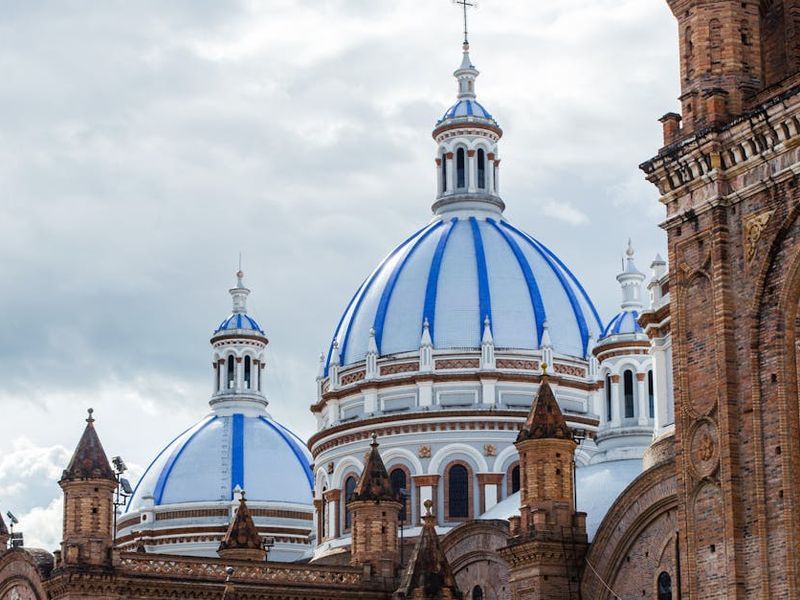
Stroll out from the cathedral into the plazas and narrow streets of the historic center and you’ll find artisans selling textiles, Panama hats, tagua jewelry, pottery, and carved wooden items. These stalls are ideal for finding souvenirs and gifts while watching artisans at work — many will show you how they weave or polish a piece on the spot.
Why this area is special: The proximity to major tourist sites means higher-quality and more varied crafts, from fine woven ponchos to affordable trinkets. Vendors here often cater to visitors, so you can inspect items closely and ask about materials and origins.
How to Tell Authentic from Tourist Kitsch
- Ask about materials: genuine alpaca or sheep wool will feel different from synthetic blends; tagua (vegetable ivory) should be smooth and slightly warm to the touch.
- Inspect workmanship: tight, uniform weaves and clean finishes usually mean higher-quality pieces that will last.
- Look for provenance: many artisans will tell you which province a hat or textile comes from — local and regional identification is a good sign of authenticity.
Pumapungo and Museum Markets: Higher-End Handcrafts
The Pumapungo archaeological museum and its surrounding grounds occasionally host artisan markets and fairs that emphasize traditional and carefully made crafts. These events often attract collectable-grade work — think hand-dyed textiles, fine ceramics, and historically inspired jewelry — sold by artisans who take pride in cultural techniques.
When to go: Museum markets are event-based, so check local listings or ask at the museum’s information desk for dates. These fairs are perfect if you want authentic pieces and are willing to pay fair prices for artisans’ time and skill.
Weekly and Neighborhood Markets: Local Life Off the Tourist Track
Outside the city center you’ll find neighborhood markets and weekly fairs where locals shop for their household groceries and crafts. These markets can be smaller but are excellent for discovering seasonal produce and simpler, hardworking goods like baskets, leather sandals, and kitchen textiles.
Why neighborhood markets matter: They’re less tourist-oriented, offering better opportunities to practice Spanish, learn about local ingredients, and support small-scale growers and makers who don’t rely on tourism.
How to Find Them
- Ask local expat groups or long-term residents — they’ll usually point you to the best neighborhood fairs for a given day.
- Check municipal calendars or local Facebook groups for pop-up markets and community fairs.
- Explore by foot: some of the most rewarding markets are the ones you stumble upon while exploring barrios away from the cathedral.
Buying Produce: Practical Tips for Freshness and Value
Shopping produce in Cuenca is fun and economical if you know how to choose the best items. Here are practical tips that make a difference:
- Go early: Vendors restock overnight, so the best firmness and color are available in the early morning.
- Ask for samples: Many vendors will let you taste a piece of fruit or a sample of cheese — use this to judge ripeness and flavor.
- Buy seasonal: Mangoes, papayas, and certain apples and stone fruits come in waves; seasonal buying gets you flavor and value.
- Buy in bulk for savings: If you’re comfortable with jam-making, pickling, or freezing, buying larger quantities from a friendly vendor can save money.
Bargaining and Payment: What to Expect
Haggling is part of market culture in many places, and Cuenca’s markets are no exception — especially at artisan stalls and neighborhood markets. At central produce markets, prices are often fixed but still negotiable if you’re buying larger quantities.
Useful bargaining strategies:
- Start about 10–20% below the asking price for crafts; meet somewhere in the middle. Be friendly — smiling gets better results than a confrontational tone.
- For produce, offer to buy more if the vendor drops the price — “Le llevo dos / tres” (I’ll take two/three) is a useful phrase.
- Always carry small bills and coins; many vendors don’t accept cards or will offer a discount for cash.
Spotlight on Ecuadorian Craft Specialties
Cuenca is an excellent place to learn about regional craft specialties. Some noteworthy items to look for include:
- Panama hats: True Ecuadorian straw hats often labeled as Montecristi. Better weaves (finer stitching) mean higher value.
- Alpaca and wool textiles: Ponchos, shawls, and scarves — look for hand-spun yarn and natural dyes if authenticity is important.
- Tagua jewelry: Made from the seeds of a tropical palm, tagua is eco-friendly and resembles ivory without using animal products.
- Pottery and ceramics: Traditional patterns and modern designs both appear; ask about firing methods and glazes.
Practicalities: Hours, Transport, and Safety
Most produce markets open before dawn and wind down by early afternoon. Artisan stalls around the historic center stay open later — typically 9:00 a.m. to 6:00 p.m. — and some vendors will extend hours for evening events.
Getting there: Cuenca is compact and walkable. Taxis are inexpensive and plentiful; for longer distances or bulky purchases, take a taxi rather than public transit. If you’re bringing back large or fragile items, consider shipping through a reputable courier or buying from vendors who can pack items for travel.
Safety basics: Markets are friendly places but can be crowded. Keep your valuables secure (use a cross-body bag or money belt), avoid flashing large amounts of cash, and watch for pickpockets in busy sections. If you need help, look for market staff or police kiosks in larger markets.
Eco-Friendly and Ethical Shopping
Cuenca’s markets offer a chance to shop ethically and sustainably. Tips for making responsible choices:
- Buy directly from farmers and artisans when possible; you’ll be supporting livelihoods rather than middlemen.
- Choose locally produced goods over imported mass-market souvenirs to reduce your carbon footprint.
- Bring your own bags and say no to single-use plastic; many vendors will appreciate it and may give small discounts.
- Ask about materials and production methods — learning about traditional techniques helps preserve cultural heritage.
How to Bring Purchases Home or Ship Them
If you are an expat moving to Cuenca, bringing home selected large items is easy. For travelers, consider these practical steps:
- For fragile ceramics or hats, ask the vendor to wrap items carefully in paper and plastic; they often have experience packing for flights.
- For heavier loads, look into courier services in Cuenca — many offer domestic and international shipping at reasonable rates.
- Keep receipts if you plan to claim purchases on travel insurance or need proof of provenance for customs.
Best Times of Year for Special Finds
While Cuenca’s markets are bustling year-round, certain seasons bring specialties: late spring and summer often offer the ripest fruit varieties; holiday seasons increase the availability of festive textiles and handmade gifts; and artisan fairs tend to cluster around cultural events and long weekends.
Putting It All Together: A Sample Market Day in Cuenca
Make the most of a market day by combining stops: start early at Mercado 10 de Agosto for the freshest produce, head to the historic center to browse artisan stalls around Parque Calderón, and, if your visit coincides with a Pumapungo fair, finish there for higher-end pieces. Stop at a small café or street food vendor for hornado, empanadas, or a cup of coffee to keep your energy up while bargaining and browsing.
Final Tips and Local Manners
Be polite and patient — vendors are people with families and traditions. A little Spanish goes a long way: basic phrases like “¿Cuánto cuesta?” (How much?) and “Muchas gracias” (Thank you very much) will be appreciated. Take your time, ask questions about how things are made, and bring a sense of curiosity; the markets of Cuenca reward those who slow down and listen.
Conclusion: Markets as a Way to Know Cuenca
Whether you’re hunting for the perfect avocado, a handwoven alpaca sweater, or a small, meaningful gift, Cuenca’s markets offer a rich tapestry of flavors, textures, and stories. Visit early, carry cash and a reusable bag, ask about materials and seasonality, and most importantly, enjoy the conversations and connections that make market shopping in Cuenca a delightful, culturally immersive experience.