
Table of Contents
Introduction: Dental Care Meets Vacation in Cuenca
Imagine stepping off a short flight into a colonial city with spring-like weather, historic plazas, and world-class dental care waiting just minutes from the airport. That’s Cuenca, Ecuador — a destination that has quietly become one of the best places in the world for dental tourism and dental vacations. Whether you need implants, crowns or veneers, Cuenca blends top-tier dentistry with dramatic cost savings, modern technology, and a recovery environment that feels like a holiday.
Why Cuenca Is Tailor-Made for Dental Tourism
Dental tourism isn’t just about low prices — it’s about value. Cuenca delivers value on every front: dramatically lower costs (often 60–70% less than the U.S. or Canada), highly trained dentists, cutting-edge clinics, short wait times and exceptional one-on-one patient care. Add in efficient logistics and a welcoming city that’s easy to navigate, and you’ve got a compelling package for anyone considering major dental work.
60–70% Cost Savings Without Sacrificing Quality
The headline for many dental tourists is cost. Procedures that cost thousands at home — dental implants, porcelain crowns, layered veneers — are frequently 60–70% cheaper in Cuenca. This kind of savings turns a once-unaffordable smile makeover into an accessible reality. Clinics price treatment packages that include consultations, imaging, the procedure, and follow-up care, which boosts overall value and makes budgeting straightforward.
World-Class Trained Dentists and Modern Clinics
Cuenca’s dental community includes dentists trained at top Ecuadorian universities and many with international credentials or continuing education in the U.S., Europe or other Latin American countries. Clinics are often outfitted with digital imaging (CBCT scans), CAD/CAM milling, 3D printing, intraoral scanners and sterilization systems that meet international standards. Many offer in-house labs and experienced ceramists, which shortens turnaround times for crowns and veneers and boosts aesthetic results.
From Mariscal Lamar Airport to the Dental Chair: Practical Arrival Tips
Cuenca’s Mariscal Lamar International Airport (CUE) is small, efficient, and just a short drive from the historic center — typically 20–30 minutes depending on traffic. Most clinics offer airport pickup as part of patient service packages. If you plan your arrival, you can be at your hotel and in a consultation within hours of landing.
- Airport to downtown: Taxis and ride apps are plentiful; many clinics include private transfers.
- Currency and payments: Ecuador uses the U.S. dollar, removing conversion hassles. Major clinics accept credit cards and bank transfers, but bring some cash for small purchases.
- Time zone & power: Ecuador is GMT-5 and most outlets use 120V, same as the U.S., so visitors bring fewer adapters.
Typical Procedures, Timelines, and What to Expect
Many visitors come for crowns, veneers, implants, or full mouth rehabilitations. Understanding typical timelines helps you plan a dental vacation that balances treatment and recovery with sightseeing.
Crowns and Veneers — Quick Turnarounds
Crowns and veneers often require one to two visits. With digital impressions and in-house milling, some clinics can deliver a crown or temporary same week. Final porcelain crowns or veneers are typically placed on a second visit 1–2 weeks later. The short wait times and same-day digital labs are a major advantage over longer queues in North America.
Dental Implants — Options for Short and Longer Stays
Implant treatment varies: traditional placement with a healing period of 3–6 months requires at least two visits spaced months apart, but many clinics in Cuenca offer immediate-load implants or guided-placement techniques that shorten overall treatment time. For complex cases like All-on-4 or full-arch restorations, clinics provide detailed treatment plans with staged visits and remote follow-up options.
Recovery in Comfort: Cuenca’s Perfect Post-Op Setting
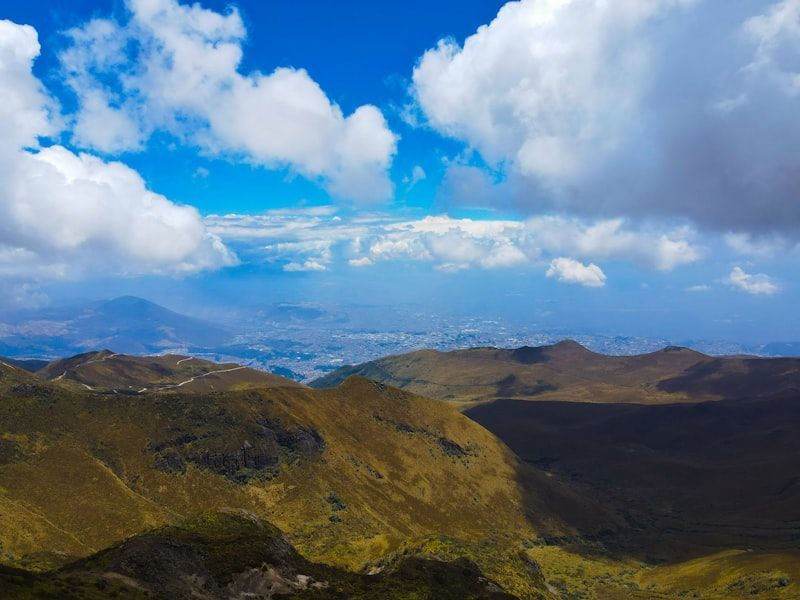
One of Cuenca’s underrated advantages is its recovery environment. Nestled in the Andes at about 2,560 meters (8,400 feet), the city enjoys mild daily temperatures, fresh air and peaceful parks — ideal for gentle walks and relaxation after dental work. The UNESCO-listed historic center, riverwalk along the Tomebamba and quiet boutique hotels make recovery feel like a restful vacation rather than a medical retreat.
- Gentle activities: Short strolls in Parque Calderón or along the riverside help circulation without strain.
- Wellness options: Many hotels and local spas offer massages and light therapies that complement dental recovery.
- Day trips: Keep activities low-impact after surgery; a scenic drive to Cajas National Park or a visit to artisan markets offers pleasant diversion without intense exertion.
Combining Treatment with a Memorable Vacation
Dental tourism in Cuenca isn’t just efficient — it’s enjoyable. Patients often schedule treatment blocks that allow sightseeing between procedures and use follow-up days for cultural immersion. The mix of colonial architecture, museums, artisan markets and cafes makes Cuenca an appealing place to recuperate.
Top Recovery-Friendly Attractions
- Parque Calderón and the Catedral Nueva — accessible, scenic, and peaceful for short visits.
- Río Tomebamba riverwalk — pretty promenades perfect for low-intensity walks.
- Pumapungo Museum and archaeological park — indoor/outdoor exhibits that are easy to explore in a few hours.
- Local markets (e.g., Mercado 10 de Agosto) — perfect for sampling local food and shopping for artisanal goods.
How to Choose a Clinic in Cuenca: Questions to Ask
Choosing the right clinic is the most important step in planning a dental vacation. Look for clear communication, transparent pricing, technology, and established aftercare protocols.
- Credentials: Ask where the dentist trained and whether they participate in international continuing education. Many Cuenca dentists trained at top Ecuadorian and international universities and maintain ties abroad.
- Technology: Confirm availability of CBCT scans, intraoral scanners, and in-house labs for better results and faster turnarounds.
- Before-and-after photos: Request case studies similar to your case, including patient testimonials and photos.
- Guarantees and follow-up: Get the warranty in writing and ask about remote follow-up options if you return home.
- Inclusions: Clarify whether packages include pre-op imaging, sedation, implants, abutments, crowns, and transfers.
Practical Travel Tips: What to Pack and How to Prepare
Small preparations make a big difference to your comfort and the success of your dental vacation.
- Bring all dental records, x-rays and a list of medications — digital copies work well for emailing ahead of your appointment.
- Pack a small recovery kit: soft foods, a travel pillow, salt for rinses, extra toothbrushes, and any prescription meds.
- Plan for altitude adjustment: stay hydrated and take it easy the first 24–48 hours; if you have respiratory or cardiac conditions, check with your physician before travel.
- Purchase travel insurance that covers medical evacuation and non-dental medical issues; ask your dental clinic about their post-op emergency contacts.
Sample Itineraries: How to Plan Your Dental Vacation
Here are two practical itineraries to help shape a trip depending on the procedure.
Short Crown or Veneer Trip (5–7 days)
- Day 1: Arrive, airport pickup and hotel check-in; initial consultation and imaging.
- Day 2: Tooth preparation, digital impressions, placement of temporaries.
- Day 3–4: Light sightseeing and recovery (riverwalk, markets).
- Day 5: Final placement of crowns/veneers; post-op instructions and follow-up scheduling.
- Day 6–7: Buffer days for any adjustments, depart.
Implant Trip with Immediate Solutions (7–10 days)
- Day 1: Arrive, consultation, CBCT scan and planning.
- Day 2: Implant placement (with or without immediate provisional teeth depending on the case).
- Day 3–6: Recovery days, light activity and follow-up checks. Many clinics will provide antibiotics, analgesics, and remote monitoring.
- Day 7–10: Final prosthetic delivery if immediate-load implant protocol is used; otherwise return home and schedule the second-stage prosthetic visit months later.
Aftercare, Warranty and Long-Term Follow-Up
Good clinics in Cuenca provide clear aftercare instructions, prescription medicines if needed, and remote follow-up via phone or video. Ask about long-term warranties and what happens if you have complications after you return home. Many clinics partner with international labs and can coordinate repairs or maintenance if needed.
Safety and Peace of Mind
Cuenca is considered one of Ecuador’s safer cities and welcomes an active expat community. Clinics follow strict sterilization protocols and many follow international infection-control standards. Still, do your due diligence: read current reviews, ask for references, and make sure your chosen clinic communicates transparently and quickly.
Final Thoughts: The Incredible Value of Dental Tourism in Cuenca
When you weigh the options, Cuenca offers a rare combination: significant savings (often 60–70% compared with the U.S. and Canada), world-class-trained dentists, modern technology, personalized care and a beautiful recovery environment that doubles as a vacation. Whether you need a single crown or a full-arch restoration, planning a dental vacation to Cuenca can make top-quality dentistry affordable and enjoyable. With careful planning, the right clinic and sensible expectations, you can return home with a transformed smile — and memories of a charming Andean city to match.
Ready to begin? Gather your dental records, choose a clinic with digital capabilities and clear communication, and book a flexible travel itinerary. In Cuenca, getting dental work doesn’t feel like a chore — it feels like an upgrade to your smile and your life.