
Table of Contents
Welcome to Cuenca: A Quick Orientation
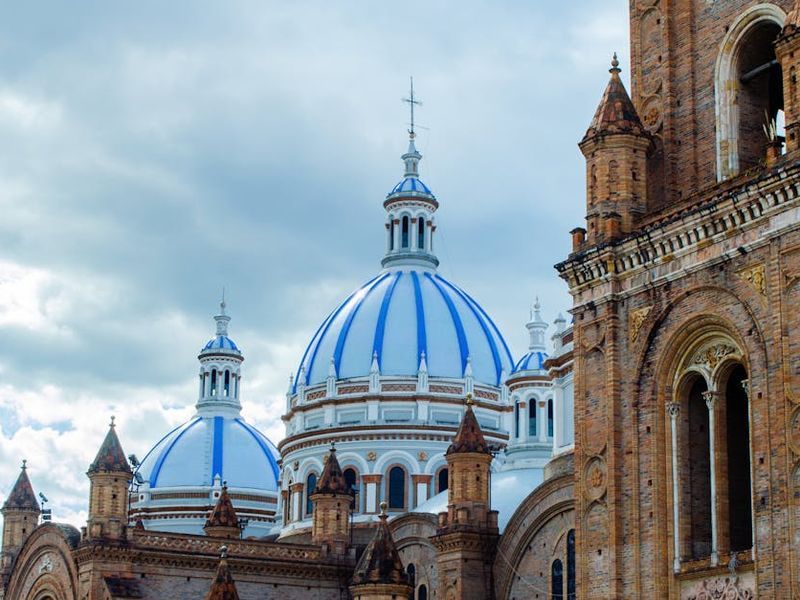
Nestled in the southern Ecuadorian highlands, Cuenca (Azuay province) is a UNESCO World Heritage city known for its blue-domed cathedral, cobblestone streets, and a relaxed pace that draws retirees, digital nomads, and curious travelers. At roughly 2,560 meters (about 8,400 feet) above sea level, Cuenca’s climate is mild—think perpetual spring—yet the high altitude influences how you plan your first 48–72 hours. This guide distills the practical knowledge every first-time visitor wants: getting there, getting around, food, safety, day trips, and local customs.
Before You Go: Documents, Money & Health
Passport & Visa
Most nationalities receive a tourist stamp on arrival to Ecuador valid for 90 days—double-check with your embassy before traveling. Bring a few photocopies of your passport and keep scanned copies in email or cloud storage in case you misplace the original.
Currency and Payments
One of Ecuador’s conveniences for international travelers is that it uses the U.S. dollar. ATMs are common in Cuenca’s central areas, but rural towns may have fewer machines—carry small bills and coins for local markets, buses, and tips. Credit and debit cards are widely accepted in restaurants and hotels, but independent vendors, taxis, and street stalls are often cash-only.
Health & Vaccinations
General routine vaccinations are recommended. There are no mandatory shots specifically for Cuenca’s highlands. Because the elevation can affect you, plan to hydrate well and avoid intense physical exertion the first day. Health care in Cuenca is generally reliable, with private clinics and hospitals available; many expats use private care for faster service.
Getting There and the First Steps
Arriving at the Airport
Cuenca’s airport (Mariscal La Mar, IATA: CUE) sits a short drive from the historic center—typically 20–40 minutes depending on traffic. Taxis from the airport to downtown are plentiful; agree on a fare or use the airport taxi desk. Some hotels offer airport transfers—book ahead to avoid queues.
First-Day Logistics
After you arrive, give your body time to acclimatize. Spend the afternoon walking gently through the Centro Histórico, enjoy a coffee by the Río Tomebamba, and resist the urge to summit any high trails until day two. Refill your cash at a bank ATM located inside a bank lobby rather than a street machine for added security.
Where to Stay: Neighborhoods for First-Time Visitors
Centro Histórico
Staying near Parque Calderón (the central plaza) is ideal for your first visit. You’ll be within walking distance of the main cathedral, museums, restaurants, and artisan markets. Cobblestone streets and colonial facades mean lots of charm—and noise—so pick a room with double-glazed windows if you want quiet.
Turi and Miradores
If you prefer panoramic views, the Turi area (the hill with the big lookout and statue) offers quieter lodgings and spectacular city vistas, though you’ll be a short taxi ride from the center.
El Vergel and San Sebastián
These neighborhoods combine residential calm with good access to expat services and local markets. They’re great for longer stays or if you want a more local, neighborhood feel while still being close to the center.
Getting Around Cuenca
On Foot
Cuenca’s core is delightfully walkable. Explore the central plazas, riverwalks (malecón) along the Tomebamba, and side streets where artisan shops and cafés hide in plain sight. Wear comfortable shoes—the colonial center has many cobblestones and occasional steep streets.
Taxis and Ride Apps
Taxis are inexpensive and a good option for short hops or getting home after dark. Many drivers in Cuenca still negotiate fares rather than using meters—agree on the price before starting the trip. In recent years ride-hailing apps have gained ground in Ecuadorian cities; check whether your preferred app works in Cuenca and whether drivers will accept card payments.
Public Buses
Public buses are the cheapest way to move around. Bus routes serve the city and suburbs; bring exact change. Buses can be crowded at rush hour—keep an eye on your belongings and plan extra travel time.
Food & Drink: What to Taste First
Cuenca’s food scene is a mix of traditional Andean dishes and modern cafés. Don’t miss these local favorites:
- Llapingachos: potato patties often served with cheese, peanut sauce, and a fried egg.
- Locro de papa: a hearty potato and cheese soup perfect for cooler evenings.
- Hornado: slow-roasted pork commonly found in local markets.
- Cuy: roasted guinea pig—an Andean specialty if you’re adventurous.
- Fresh coffee and chocolate: Ecuador’s cocoa is world-class; try single-origin chocolate or a local coffee shop for a cuenca-grown brew.
Markets are excellent places to sample authentic flavors at budget-friendly prices. If you have dietary restrictions, many restaurants are happy to accommodate—practice a few Spanish phrases to explain allergies or preferences.
Top Sights and Day Trips
Within the City
Parque Calderón and the Cathedral with its distinctive blue domes are must-sees. Stroll along the Río Tomebamba, visit Museo Pumapungo for Inca-era ruins and ethnographic collections, and explore the monastery-museum of Las Conceptas for a quieter, historical experience. The artisan markets around the center are great for jewelry, textiles, and locally made souvenirs.
Short Day Trips
- El Cajas National Park: About an hour from Cuenca, this highland park offers glacial lakes, hikes, and dramatic scenery—bring warm layers and weatherproof shoes.
- Chordeleg and Gualaceo: Small towns famous for silver filigree and woven goods. Ideal for a half- or full-day shopping and cultural trip.
- Turi viewpoint and surrounding craft markets: For panoramic city views and artisan shopping in one outing.
Safety, Scams & Practical Precautions
Cuenca is considered one of the safer large cities in Ecuador, but normal urban caution applies. Pickpocketing can occur in crowded places and on public transportation. Practical safety tips include:
- Carry a photocopy of your passport and the original separately.
- Use ATMs inside banks and avoid withdrawing large amounts at once.
- Keep valuables out of sight; use a money belt or inside zipped pocket for passports and cash.
- Agree taxi fares before you get in or use a reputable company/app.
- Use common-sense precautions at night—stick to well-lit, busy streets and avoid remote areas after dark.
Language & Cultural Etiquette
Spanish is the official and predominant language. Many people in tourism businesses speak some English, but basic Spanish phrases will go a long way—locals appreciate the effort. Common etiquette tips:
- Greet with a friendly handshake; acquaintances may use a single cheek kiss.
- Bargaining is common at markets but do so respectfully and with a smile.
- Dress conservatively when visiting churches or religious sites.
Packing Tips for Cuenca’s Variable Weather
Because Cuenca’s climate can shift throughout the day, packing smartly makes all the difference. Essentials include:
- Layered clothing: t-shirts, a warm fleece, and a light waterproof jacket.
- Sunscreen and sunglasses—UV is strong at altitude even on cooler days.
- Comfortable walking shoes with good grip for cobblestones and wet surfaces.
- A small daypack, reusable water bottle, and any necessary medications.
Internet, SIM Cards & Connectivity
Mobile coverage in Cuenca is generally reliable in the city and major roads. Major Ecuadorian providers offer prepaid SIM cards—bring your passport to purchase and register one locally. Many hotels and cafés have Wi‑Fi, and coworking spaces in the city cater to digital nomads interested in longer stays.
Sample 3-Day Itinerary for First-Time Visitors
Day 1: Arrive, acclimatize, and explore the Centro Histórico—Parque Calderón, the Cathedral, and riverside cafés. Try a gentle evening walk along the Río Tomebamba.
Day 2: Museum morning at Museo Pumapungo and Las Conceptas, lunch at a market, then an afternoon visit to the artisan stalls. Sunset at Turi viewpoint for city panoramas.
Day 3: Day trip to El Cajas for hiking and lakes, or choose Chordeleg/Gualaceo for a craft and cultural excursion. Enjoy a farewell dinner with local specialties.
Final Tips: How to Make the Most of Your First Visit
Give yourself time to soak in Cuenca’s pace. Avoid trying to squeeze too much into the first day—altitude and travel fatigue can sap energy. Learn a few Spanish phrases, carry small cash denominations, and prioritize walking through different neighborhoods to feel the city’s rhythms. Whether you linger for a weekend or a season, Cuenca rewards curious travelers with architecture, food, and landscapes that invite repeat visits.
With a little planning and an open attitude, your first trip to Cuenca will be comfortable, enriching, and full of memorable discoveries—from colonial churches to mountain lakes and vibrant markets. Buen viaje!