
Table of Contents
Introduction: Cuenca on the Map for Dental Implants
Cuenca, Ecuador—known for its colonial architecture, pleasant climate, and welcoming expat community—has quietly become a popular destination for dental implants. For many visitors the combination of modern dentistry, lower prices, and the ability to recover in a charming city makes Cuenca an attractive option. This article walks you through the benefits, practical realities, and steps to take if you’re considering getting dental implants here.
The Main Benefits of Getting Dental Implants in Cuenca
High-quality care at a lower price
One of the strongest reasons people travel to Cuenca for implants is value. Many private dental clinics in the city use internationally recognized implant systems and equipment—but charge significantly less than North American or European clinics. That can translate to thousands of dollars in savings for full-mouth work or multiple implants.
Experienced dentists and up-to-date technology
Cuenca’s dental community includes general dentists and specialists trained in prosthodontics, oral surgery, and implantology. Clinics often feature digital X-rays, CBCT (3D imaging), and digital impression systems. While individual experience varies, you’ll find many practices offering the same modern procedures you’d expect at home.
Combining treatment with travel and recovery
The city’s pleasant climate and relaxed pace make it a comfortable place to heal after surgery. It’s common for patients to book a hotel or short-term rental in or near the historic center and use recovery days to explore local parks, markets, and nearby natural attractions like Cajas National Park.
How Much Can You Expect to Pay?
Costs depend on the implant brand, complexity of the case, and whether you need additional procedures like bone grafts or sinus lifts. Below are approximate ranges to give you an idea:
- Single dental implant (implant body only): $400–$1,200
- Implant with abutment and crown (complete single-tooth restoration): $900–$2,000
- Mini-implants (for specific situations): $300–$700 each
- All-on-4 full-arch solutions: $8,000–$18,000
- Bone grafts or sinus lifts: $300–$1,200 depending on material and complexity
Compare those figures to typical prices in the U.S. or Canada—where a single implant with crown can cost $3,000–$6,000—and the savings are often substantial. Always ask clinics for a written estimate that itemizes implant components, lab work, and follow-up visits.
Types of Implants and Materials You’ll Find
Implant materials used in Cuenca range from traditional titanium to newer zirconia options. Popular international brands (for example, well-known manufacturers) are often available; smaller clinics may use brands sourced locally or regionally. When evaluating options, consider:
- Material: titanium has a long history of success; zirconia is metal-free and offers aesthetic advantages for some patients.
- Brand reputation: ask for the implant brand and research it online before committing.
- Type of restoration: porcelain-fused-to-metal, all-ceramic, or hybrid acrylic for full-arch prostheses each have different lifespans and maintenance needs.
Choosing the Right Clinic in Cuenca
What to look for in a clinic
Selecting a clinic is the single most important decision. Look for clear communication, transparent pricing, and documented patient cases. Practical steps include:
- Reviewing before-and-after photos and reading patient testimonials.
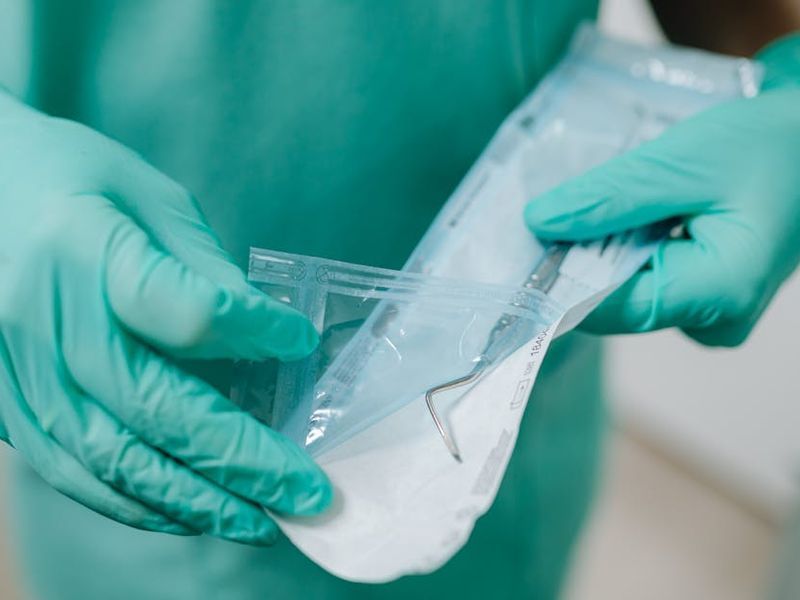
- Confirming the clinic uses CBCT imaging and modern sterilization protocols.
- Asking whether the dentist is a specialist (oral surgeon, prosthodontist) or a general dentist who places implants.
- Requesting references or online reviews from independent sources.
Location, language, and convenience
Many clinics are concentrated near the historic center around Parque Calderón and nearby commercial avenues, making them easy to combine with hotels and services. While many dentists and staff speak English—especially those who work with expats—it’s wise to confirm language abilities ahead of time. If you’re not comfortable in Spanish, ask if the clinic provides a translator or if teleconsultations can be done in English before you travel.
Typical Treatment Timeline: What to Expect
Implant treatment usually follows predictable stages. Knowing the timeline helps you plan travel and recovery time in Cuenca.
- Consultation and imaging: Day 1 — clinical exam, digital X-rays or CBCT, and treatment planning. Some clinics offer virtual pre-consultations so you can start the process from home.
- Surgical placement: Day 1–2 — implant is placed under local anesthesia; minor sedation options are often available. Immediate loading (a temporary tooth) may be possible depending on bone quality and implant protocol.
- Healing period: 2–6 months — osseointegration occurs; follow-up visits are scheduled to monitor healing.
- Prosthetic phase: Final crown, bridge, or full-arch prosthesis is made and placed. This often requires one or two visits for impressions and fittings.
For multi-implant or full-arch cases (like All-on-4), you may have 2–3 clinic visits spaced over several months. Many patients split the process between visits—having surgery in Cuenca and returning home for part of the healing, then coming back for the final restoration if desired.
Pre-op and Aftercare Tips: Maximize Success
Before surgery
- Bring your dental records, digital X-rays, and a list of medications. If you already have CBCT scans or intraoral photos, send them to the clinic ahead of time.
- Stop smoking several weeks before surgery if possible — smoking interferes with healing and increases failure risk.
- Discuss medical conditions and medications with both your local physician and the Cuenca dentist to coordinate any necessary adjustments.
After surgery
- Follow antibiotic and pain management instructions from the dentist. Many clinics provide a small supply when you leave.
- Stick to a soft diet for the first 1–2 weeks and avoid chewing directly on implants until your clinician clears you.
- Maintain excellent oral hygiene—gentle rinses and careful brushing around the surgical site reduce infection risk.
- Plan for follow-up appointments: suture removal, healing checks, and final impressions as scheduled.
Risks, Guarantees, and What to Watch For
Dental implants have a high success rate when properly planned and placed, but complications can occur. Common risks include infection, implant failure, nerve irritation, and problems related to poor osseointegration. To protect yourself:
- Ask about the clinic’s complication policy and whether they offer any warranty on implant work.
- Request to know who will handle revision work if something goes wrong—local follow-up options are important if you live abroad.
- Get clear instructions for emergency contact and what to do if pain, swelling, or other concerning symptoms appear after you return home.
Logistics: Travel, Accommodations, and Practicalities
Cuenca has a small airport (Mariscal Lamar) with connections to Quito and Guayaquil; many international travelers route through Quito or Guayaquil. The historic center is compact and easily walkable, with a range of accommodations from budget hostels to boutique hotels and furnished rentals. Practical points:
- Book a hotel or apartment near the clinic to reduce travel after surgery—short taxi rides are inexpensive if you prefer not to walk.
- Consider staying an extra week after surgery for monitoring, especially for complex cases.
- Bring copies of your medical/dental records and a list of emergency contacts.
How to Get Multiple Quotes and Compare Providers
Start with virtual consultations—most reputable clinics offer a free or low-cost online consultation where you can upload photos and x-rays. When comparing providers, ask for:
- A breakdown of costs by component (implant, abutment, crown, lab fees, imaging).
- Which implant brand and restorative materials will be used.
- Details about the dentist’s training and experience with the specific procedure you need.
- Before-and-after photos of similar cases and patient references when possible.
Financing, Payment, and Insurance Considerations
Many clinics accept credit cards, cash, and international bank transfers. Paying in cash or up-front often attracts discounts. Dental insurance from your home country may cover part of the cost—check your policy carefully if you plan to claim reimbursement. Some expats join local private insurance plans in Ecuador, but these typically don’t cover extensive cosmetic or implant work.
Final Thoughts: Is Cuenca the Right Place for Your Implants?
Cuenca offers a compelling combination of reduced costs, modern clinics, and a comfortable environment for recovery. It’s not the right choice for everyone—complex medical cases or people who prefer a single-source long-term relationship with a local clinician may opt to stay home. However, for many expats and international travelers, Cuenca delivers excellent value without compromising on quality.
If you’re considering implants in Cuenca, start with a few virtual consultations, check patient reviews, inquire about implant brands and warranties, and plan your travel and recovery time realistically. With thoughtful planning, you can leave Cuenca with a durable, natural-looking smile and a few days of enjoyable sightseeing to remember.
Always consult a qualified dental professional about your individual medical needs before making treatment decisions.
Adam Elliot Altholtz serves as the Administrator & Patient Coordinator of the “Smilehealth Ecuador Dental Clinic“, along with his fellow Expats’ beloved ‘Dr. No Pain‘, right here in Cuenca, Ecuador, and for purposes of discussing all your Dental needs and questions, is available virtually 24/7 on all 365 days of the year, including holidays. Adam proudly responds to ALL Expat patients from at least 7:00am to 9:00pm Ecuador time, again every single day of the year (and once more even on holidays), when you write to him by email at info@smilehealthecuador.com and also by inquiry submitted on the Dental Clinic’s fully detailed website of www.smilehealthecuador.com for you to visit any time, by day or night. Plus, you can reach Adam directly by WhatsApp at +593 98 392 9606 -or by his US phone number of 1‐(941)‐227‐0114, and the Dental Clinic’s Ecuador phone number for local Expats residing in Cuenca is 07‐410‐8745. ALWAYS, you will receive your full Dental Service in English (NEVER in Spanish), per you as an Expat either living in or desiring to visit Cuenca by your Dental Vacation, plus also to enjoy all of Ecuador’s wonders that are just waiting for you to come arouse and delight your senses.