
Table of Contents
Why Cuenca Is the Ideal Destination for Dental Implants
If you’re considering dental implants, crowns, or veneers, Cuenca, Ecuador deserves to be at the top of your list. This colonial Andean city combines dramatic cost savings—often 60–70% less than the U.S. and Canada—with highly trained dental professionals, cutting-edge clinics, and a beautiful, calm environment that makes recovery pleasant. That unique combination of affordability, quality, and atmosphere is what turns a dental procedure into a true dental vacation.
Significant Cost Savings Without Sacrificing Quality
One of the biggest draws for dental tourists is price. In the U.S. and Canada a single implant with a crown can cost anywhere from $3,000 to $6,000 or more. In Cuenca, similarly high-quality implant treatments typically run 60–70% less—meaning you can expect prices in many cases between $800 and $1,500 for a single implant with crown, and full-arch solutions for a fraction of North American prices. Crowns and veneers also follow this pattern: excellent ceramic crowns and porcelain veneers that cost $1,200+ back home often cost a few hundred dollars here.
That savings doesn’t just cut your dental bill—it unlocks higher-grade options. For the same price as a basic solution at home you can often afford premium materials, additional implants, or an upgraded prosthetic in Cuenca.
World-Class Training and International Standards
Cuenca’s dentists are well educated and many have studied at top schools in Ecuador and abroad, pursued specialty training in implantology, prosthodontics and oral surgery, and earned international certifications. Clinics commonly employ specialists who collaborate internally—oral surgeons for placements, prosthodontists for crowns and bridges, and periodontists for bone and soft-tissue management—so your care is handled by focused experts rather than a one-size-fits-all practitioner.
Modern clinics routinely use international sterilization protocols and follow clinical best practices comparable to those in advanced markets. When researching providers, ask about training, certifications, and whether the clinic participates in continuing education programs—most are proud to share these credentials.
State-of-the-Art Clinics and Digital Dentistry
Don’t expect candlelit offices and old equipment. Leading dental practices in Cuenca have invested heavily in digital workflows: cone-beam CT scans (CBCT) for 3D diagnosis, digital impressions, CAD/CAM milling, and 3D printing. These technologies allow for precise implant planning, guided surgery, and same-day or fast-turnaround prosthetics in many cases. That accuracy improves outcomes, shortens treatment times, and reduces unexpected visits.
If you want modern tools and proven implant systems, you’ll find them here. When evaluating a clinic, ask what imaging and digital systems they use and whether they can show examples of cases done with that technology.
A Recovery Environment That Helps You Heal
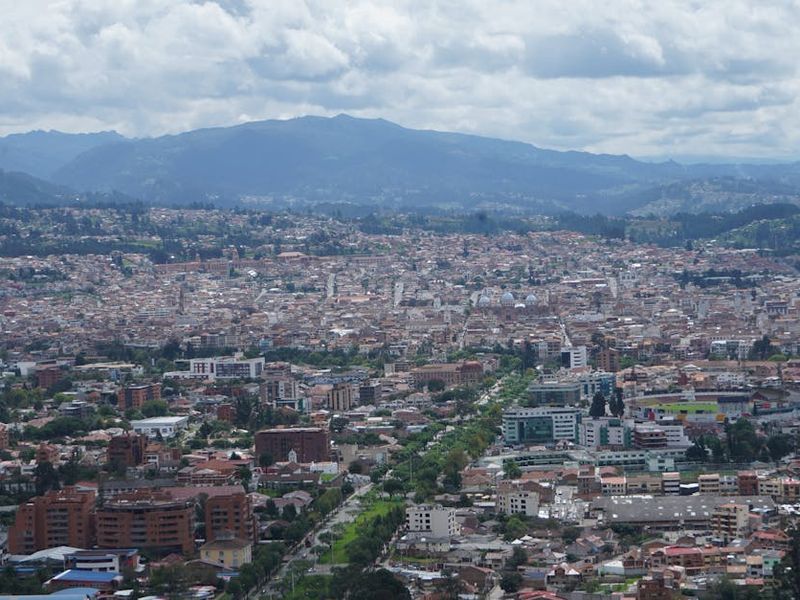
Cuenca’s mild, spring-like climate, clean mountain air, and walkable historic center make it an excellent place to recover comfortably. Instead of a cramped clinical hotel room, you can recuperate in a sunny apartment overlooking colonial plazas or a quiet bed & breakfast on a shady street. Gentle walks along the Tomebamba River, quiet cafés, and restful architecture help patients avoid stress and promote healing.
Keep the city’s altitude in mind—Cuenca sits at about 2,560 meters (8,400 feet). Most people adapt fine, but plan for a day or two to acclimate before major surgery and avoid heavy exertion immediately afterward. Staying hydrated, moving slowly, and adjusting your schedule to allow restful mornings will make a big difference in comfort during recovery.
Short Wait Times and Flexible Scheduling
Unlike some overseas options that can leave you waiting weeks or months for a surgical date, many Cuenca clinics can see you quickly. Remote consultations often lead to in-person imaging and scheduling within a week or two. If you’re planning a single implant or a couple of crowns, you can often manage the primary surgery and initial follow-up in one trip. For more complex full-mouth restorations there may be staged visits, but overall wait times are typically much shorter than in North America.
For people with limited vacation time, that speed matters: it means fewer trips and less disruption to everyday life, while still maintaining high clinical quality.
How to Plan Your Dental Implant Trip to Cuenca: A Practical Timeline
Here’s a practical, common timeline you can use when planning an implant-focused dental vacation in Cuenca.
- 6–12 weeks before travel: Do research, request remote consultations, share digital X-rays and medical history, and ask for an estimated treatment timeline and cost. Book tentative travel dates once you have a treatment plan.
- 2–4 weeks before travel: Finalize appointments. Arrange pre-travel medications if prescribed, get bloodwork or medical clearance if necessary, and confirm radiographic requirements (CBCT or panoramic X-ray can often be done on arrival).
- Arrival and consultation (day 1–2): Have an in-person consultation and any needed scans. Your dentist will finalize the plan and discuss sedation options, immediate-load possibilities, and local recovery care.
- Surgery (days 3–7): Implant placement is typically day surgery under local anesthesia with sedation if requested. Expect a short post-op rest period at your lodging and a follow-up the next day.
- Recovery and monitoring (1–2 weeks): Most patients stay in Cuenca for at least a week for the initial healing and sutures removal. Soft diet, gentle walks, and daily rest are recommended.
- Prosthetic phase (4–12+ weeks): After osseointegration (healing), abutments and crowns are placed. Some clinics offer immediate-load implants or temporary restorations to reduce trips, but more complex cases may require a second short return visit.
- Follow-up: Clinics often provide remote follow-ups by email or video and can coordinate with your dentist back home for long-term maintenance.
Where to Stay and What to Do During Recovery
Cuenca is compact and pedestrian-friendly. Staying near the Historic Center or by the Tomebamba River places you within easy walking distance of many clinics, restaurants, shops, and pharmacies. Recommended recovery-friendly activities include leisurely strolls on the cobblestone streets, quiet meals at farm-to-table restaurants, visiting artisan markets, and light cultural tours.
A few nearby low-impact options perfect for post-op days:
- Relax by the banks of the Tomebamba River—fresh air and shaded paths.
- Visit Parque Calderón for a slow afternoon and people-watching.
- Explore small museums and art galleries that don’t require long standing periods.
- Day trips to Cajas National Park once your dentist clears light hiking—stunning alpine scenery and lakes.
- Enjoy gentle thermal springs and local wellness centers that provide soothing options if recommended by your clinician.
Practical Travel and Logistics Tips
Traveling to Cuenca is straightforward. You can fly into Quito or Guayaquil and take a short domestic flight to Mariscal Lamar Airport (CUE) or travel by comfortable intercity bus. Here are some practical tips to make your trip smoother:
- Currency and payments: Ecuador uses the U.S. dollar, which simplifies budgeting if you’re coming from the U.S. Credit and debit cards are widely accepted; bring some cash for small purchases and tips.
- Language: Spanish is the primary language, but many clinics catering to international patients have English-speaking staff and patient coordinators who handle translations, appointments, and travel logistics.
- Altitude: Allow a day or two to acclimate. Avoid strenuous activities before surgery and during the first 48 hours post-op.
- Electrical outlets: Ecuador uses 120V with type A/B plugs—same as the U.S.—so no special adapter is needed for most travelers.
- Pharmacies and supplies: Pharmacies are plentiful in Cuenca and most prescribed post-op medications are available locally. Your clinic will typically provide a prescription and instructions for use.
Personalized Care: One-on-One Attention You Won’t Get at Large Chains
Many international patients report that the level of personalized attention in Cuenca is a pleasant surprise. Clinics here tend to be boutique-sized, which translates into more direct, one-on-one time with your dentist. Treatment plans are tailored, communication is often direct with the treating specialist, and patient coordinators make logistics easy—transfers, accommodation, and follow-up are commonly arranged through the clinic or recommended local partners.
This personalized approach means your care plan won’t be rushed, your questions will be answered thoroughly, and post-op concerns are addressed quickly—qualities that matter enormously with implant care.
Avoiding Common Pitfalls: How to Choose the Right Clinic
Dental tourism has risks when shoppers choose solely on price. To ensure a great outcome in Cuenca, follow these practical steps:
- Ask to see before-and-after photos and long-term case examples from the dentist who will perform your treatment.
- Request details about the implant systems and prosthetic materials used and any warranty policies.
- Verify credentials—degrees, specialty training, and international certifications if applicable.
- Check recent patient testimonials and third-party reviews on independent platforms.
- Confirm the digital tools used (CBCT, guided surgery, CAD/CAM) and whether the clinic fabricates prosthetics on-site or partners with reputable labs.
- Understand the post-op plan and remote follow-up options; make sure they will communicate with your dentist back home if necessary.
Combining Treatment with a Memorable Vacation
Part of Cuenca’s appeal is turning necessary dental work into an enjoyable break. This UNESCO World Heritage city offers colonial charm, vibrant markets, artisanal foods, and a café culture perfect for recuperation. Post-op afternoons can be spent sampling Ecuadorian cuisine, shopping for hand-woven textiles and Panama hats, or enjoying a quiet sunset over the plazas.
For companions or families traveling with you, Cuenca has cultural tours, cooking classes, and scenic outings that accommodate various recovery timetables, so your trip can be restorative for everyone.
What to Expect After You Return Home
Most dental clinics in Cuenca provide detailed post-op instructions and remote follow-up through email or video calls. Many also offer structured recall plans and are willing to coordinate with your hometown dentist for long-term maintenance. Make sure you have a copy of your operative report, radiographs, and details on the implant brand and prosthetic materials. That documentation makes future adjustments or routine care straightforward back home.
Final Checklist Before You Book
- Obtain a written treatment plan, timeline, and cost estimate including any possible additional procedures (bone grafts, sinus lifts).
- Confirm credentials and ask for patient references or case photos from the treating clinician.
- Check what scans will be needed and whether they can be done on arrival.
- Plan for recovery time in Cuenca—usually at least a week for implant placements; longer for more complex cases.
- Arrange travel insurance that includes medical/dental issues and check policies for post-op complications.
- Bring a list of medications and allergies, and ensure you understand post-op care and pain management protocols.
Why Cuenca Offers Incredible Value for Implants, Crowns, and Veneers
Cuenca’s formula is powerful: dramatically lower prices, skilled and well-trained dental teams, modern clinics with digital dentistry tools, fast scheduling, and a restorative environment that supports healing. Combine that with personalized, one-on-one care and the cultural richness of a UNESCO city, and you get not just an economical dental solution but an experience that can genuinely improve quality of life—at a fraction of the cost you’d expect to pay at home.
Take the Next Step
If you’re ready to explore dental implants without the high cost and long waits of home, Cuenca is an exceptional option. Start with remote consultations, gather a few quotes, and compare proposed technology, materials, and follow-up care. With careful planning, you can leave with a healthy, confident smile—and lasting memories of a restful, beautiful city that makes dental recovery feel like a rejuvenating getaway.
Cuenca is more than a destination for dental work: it’s a place where top-quality care, value, and a soothing environment come together to make dental tourism both smart and sensible. Whether you’re getting a single implant or a full-smile transformation, consider making this charming Andean city your dental retreat.