
Table of Contents
Introduction: A Modern Step for Oral Health in Cuenca
Cuenca’s healthcare scene continues to modernize, and one of the most practical upgrades in dental care is the widespread use of digital dental x-rays. From faster diagnoses to lower radiation and better record-keeping, digital imaging is transforming how dentists evaluate and treat teeth and jaws. Whether you’re a long-term expat, a newcomer, or a short-term visitor, understanding what digital x-rays mean for your dental care in Cuenca will help you make smarter choices.
What Are Digital Dental X-Rays?
Digital dental x-rays use electronic sensors instead of traditional film to capture images of teeth, roots and jaw structures. The images appear almost instantly on a computer screen and can be enhanced, magnified, and shared electronically. Sometimes clinics offer both intraoral sensors (for bitewings and periapicals) and extraoral panoramic sensors; advanced practices may also provide cone-beam CT (CBCT) scans for three-dimensional planning.
Key Advantages Over Traditional Film
Digital imaging offers several clear benefits that are particularly useful in a city like Cuenca where patients range from children to retirees and many expats value clear documentation.
- Lower radiation exposure: Digital sensors are more sensitive than film, often reducing radiation doses significantly—clinics commonly advertise reductions in the 50–90% range depending on the equipment and protocols used.
- Speed and convenience: Images are available immediately, cutting appointment time and allowing dentists to explain findings during the same visit.
- Better diagnostic tools: Dentists can enlarge images, adjust contrast and annotate areas of concern—helpful for early cavity detection and root issues.
- Environmentally friendlier: No chemical processing is required, reducing hazardous waste from film development.
- Easy sharing and portability: Digital files can be emailed, saved on a USB, or uploaded to the cloud—ideal for expats who move, travel, or maintain medical relationships across countries.
How Digital X-Rays Improve Patient Experience in Cuenca
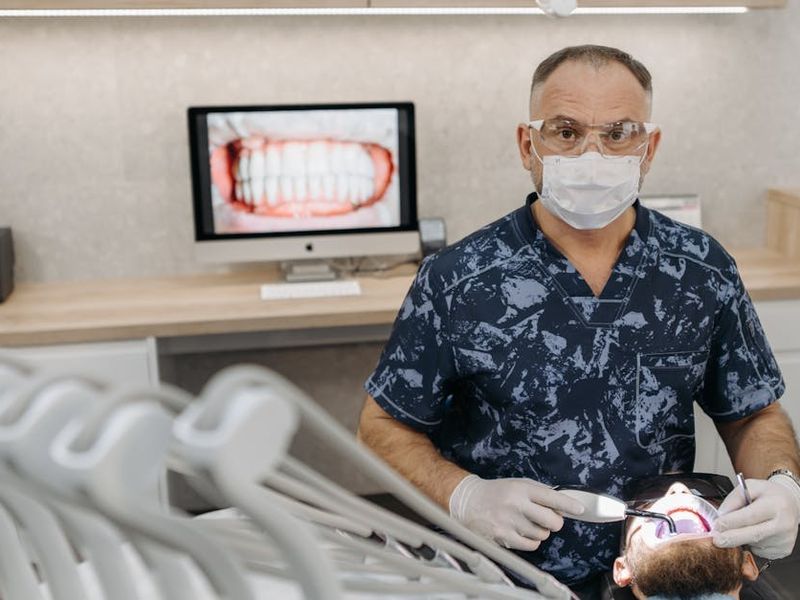
Beyond the technical benefits, the patient experience in Cuenca’s modern dental offices has improved substantially. Many clinics display x-rays on a monitor so you can see what the dentist sees. This visual approach helps patients understand treatment options, from fillings to implants, and reduces anxiety through clear explanations.
For Spanish learners and non-Spanish-speaking expats, seeing an image while the dentist points out issues makes communication easier—even if some medical terminology is unfamiliar. Clinics in central areas around Parque Calderón and nearby neighborhoods often staff bilingual receptionists who can help bridge language gaps.
Digital X-Rays, Tele-dentistry, and Record Mobility
One major advantage for expats is portability. Digital images are easily transferrable to specialists, dentists back in your home country, or to another provider in Ecuador. Many clinics in Cuenca will give you a digital copy on a USB or send a secure link. If you anticipate travel or relocation, ask for DICOM or standard JPEG/PNG files and confirm whether they include a radiologist’s report or just the images.
Tele-dentistry consultations are also possible—your dentist can share images with an off-site specialist for a second opinion. This is particularly useful when planning more complex procedures such as implants, root canals or jaw surgery.
Safety and Regulations: What to Look For
Ecuador’s dental professionals follow safety protocols related to radiography. When visiting a clinic in Cuenca, look for visible safety practices and ask questions if anything is unclear. Key items to check include:
- Lead aprons and thyroid collars for children and adults when needed.
- Evidence of operator training or certification for dental radiography.
- Clear signage about radiation safety and dose minimization strategies.
- Modern equipment and recent maintenance records—older machines can be less efficient at dose reduction.
If you are pregnant or suspect you might be, inform the staff ahead of time. Routine x-rays are usually postponed unless they are essential; when necessary, extra precautions are taken to minimize fetal exposure.
Digital vs CBCT: When Is 3D Imaging Needed?
Most routine dental needs—cavities, routine root assessments, bitewing checks—are well-served by two-dimensional digital x-rays. However, clinics offering advanced services like dental implants, complex extractions or orthodontic planning may use cone-beam computed tomography (CBCT). CBCT provides a 3D view of jaw anatomy, nerve canals and sinus relationships, but it involves a higher dose of radiation and greater cost.
Ask your dentist why a CBCT is recommended and whether a 2D digital x-ray would suffice. In Cuenca, CBCT services are available at specialized or referral centers; if you need a CBCT, ask about cost, turnaround time and whether the clinic will provide a detailed report.
Cost Expectations and Payment Tips in Cuenca
Prices vary by clinic, equipment and the specific x-ray type. As a general guideline you might find:
- Single intraoral digital x-ray (periapical/bitewing): typically lower cost—often included with a consultation at many clinics.
- Panoramic digital x-ray (OPG): useful for an overall view; reasonable mid-range price.
- CBCT scan: higher cost due to specialized equipment and interpretation.
Exact prices change over time, so always ask for a written estimate. Many Cuenca clinics accept cash (USD), credit cards and some accept international insurance—verify coverage in advance. If you’re an expat on a budget, ask whether a clinic includes x-rays in a new patient exam or whether they offer discounts for package treatments.
Finding the Right Clinic: Practical Tips
When choosing a dental clinic in Cuenca for digital imaging, consider the following:
- Proximity: Choose a clinic near where you live—some neighborhoods around the historic center (Parque Calderón area) have numerous practices with modern equipment.
- Reviews and referrals: Look for recent online reviews, ask expat groups, and get referrals from friends or coworkers.
- Bilingual staff: If your Spanish isn’t strong, prioritize clinics with English speakers or request a translator.
- Transparency: A good clinic will explain why each x-ray is needed, offer alternatives, and provide digital copies upon request.
- Hygiene and certification: Check for clean facilities and visible professional credentials.
What to Expect at a Digital X-Ray Appointment
Appointments are usually quick. Here’s a typical flow:
- Reception check-in and brief medical history review.
- The dental assistant positions either an intraoral sensor or places you in a panoramic machine (for an OPG).
- Protective apron and thyroid collar placed if appropriate.
- Technician steps out or behind a shield, and the image is taken in a few seconds.
- Image is reviewed by the dentist immediately; they explain findings using the monitor.
- If needed, additional images are captured—digital techs often re-take fewer images because of immediate feedback.
Always ask for a digital copy (USB, email link, or cloud) and a written report if you need documentation for insurance or a referral.
Useful Spanish Phrases for Dental Visits in Cuenca
Knowing a few key phrases will make appointments easier. Here are practical ones:
- “¿Usan radiografías digitales?” (Do you use digital x-rays?)
- “¿Me pueden dar una copia digital de las radiografías?” (Can I have a digital copy of the x-rays?)
- “¿Incluye la radiografía en la consulta o tiene costo adicional?” (Is the x-ray included in the exam or extra cost?)
- “¿Necesito una tomografía 3D (CBCT) para este caso?” (Do I need a 3D CT for this case?)
Special Considerations: Children, Seniors and Pregnant Patients
Children and seniors often benefit from the lower radiation dose and shorter appointment times of digital x-rays. For kids, clinics in Cuenca commonly use smaller sensors and extra comfort measures. Seniors with implants or complex dental histories appreciate the ability to review and compare images across visits.
Pregnant patients should discuss the need for x-rays carefully. If an x-ray is essential, clinics take extra precautions—use of a lead apron and minimizing exposure are standard practices.
Environmental and Community Benefits
Digital x-rays reduce chemical waste from film processing and the need for physical storage of films. For Cuenca clinics, this means a smaller environmental footprint and less hazardous waste handling. It also supports record-keeping efficiency: less paper, fewer lost images, and quicker transfer of records when patients relocate or travel.
Common Myths About Dental X-Rays
There are a few persistent misconceptions you might encounter:
- “X-rays always expose you to dangerous radiation.” International guidelines and modern digital equipment keep doses extremely low—benefits typically outweigh risks when used appropriately.
- “You shouldn’t get x-rays unless you’re in pain.” Many issues are asymptomatic early on; x-rays help catch cavities and infections before they become emergencies.
- “All clinics charge the same for x-rays.” Prices and what’s included vary—ask and compare.
Final Thoughts: Embracing Modern Dental Care in Cuenca
Digital dental x-rays are a practical upgrade for patients in Cuenca. They speed up care, reduce radiation, simplify record transfers for expats, and support clearer communication between dentist and patient. Whether you need routine check-ups, are planning implants, or simply want more transparent dental care, ask your dentist about their digital imaging capabilities and how they handle copies and referrals.
When selecting a clinic, prioritize clear communication, evidence of modern equipment, and a willingness to provide digital copies. These small steps will help you get the most from dental services in Cuenca—safer, faster, and more convenient.
Checklist Before Your Visit
- Confirm the clinic uses digital x-rays and ask about the type (intraoral, panoramic, CBCT).
- Request cost estimates and whether x-rays are bundled with exams.
- Ask for a digital copy and preferred file format (DICOM, JPEG, PDF).
- Inform the clinic if you are pregnant, breastfeeding, or have mobility/communication needs.
- Bring previous dental records or x-rays if you have them—digital files are easiest to share.
With these points in mind, you’ll be well prepared to make informed choices about digital dental imaging in Cuenca and to take advantage of the city’s modern dental services.
Adam Elliot Altholtz serves as the Administrator & Patient Coordinator of the “Smilehealth Ecuador Dental Clinic“, along with his fellow Expats’ beloved ‘Dr. No Pain‘, right here in Cuenca, Ecuador, and for purposes of discussing all your Dental needs and questions, is available virtually 24/7 on all 365 days of the year, including holidays. Adam proudly responds to ALL Expat patients from at least 7:00am to 9:00pm Ecuador time, again every single day of the year (and once more even on holidays), when you write to him by email at info@smilehealthecuador.com and also by inquiry submitted on the Dental Clinic’s fully detailed website of www.smilehealthecuador.com for you to visit any time, by day or night. Plus, you can reach Adam directly by WhatsApp at +593 98 392 9606 -or by his US phone number of 1‐(941)‐227‐0114, and the Dental Clinic’s Ecuador phone number for local Expats residing in Cuenca is 07‐410‐8745. ALWAYS, you will receive your full Dental Service in English (NEVER in Spanish), per you as an Expat either living in or desiring to visit Cuenca by your Dental Vacation, plus also to enjoy all of Ecuador’s wonders that are just waiting for you to come arouse and delight your senses.