
Table of Contents
Introduction: Dental Tourism Reimagined in Cuenca
Dental tourism has exploded worldwide, but for North Americans and Europeans looking for exceptional value and outstanding care, Cuenca, Ecuador is rapidly becoming the smart, sensible choice. Beyond dramatic cost savings, Cuenca combines high-quality clinical standards, advanced technology, quick scheduling, and an ideal recovery environment — all set in a beautiful colonial city that makes dental work feel like a vacation. If you are weighing Thailand, Mexico, or other popular destinations, read on to learn why Cuenca outshines the competition for dental implants, crowns, and veneers.
Massive Savings Without Compromise: Typical Costs and Value
One of the most compelling reasons patients choose Cuenca is cost. Dental implants, crowns, and veneers can be 60–70% less expensive here than in the U.S. or Canada. Where a single implant with a crown in the U.S. might cost $3,000–$6,000 or more, many Cuenca clinics offer complete implant packages for a fraction of that price — often between $700 and $1,500. Crowns and veneers follow a similar pattern: porcelain crowns that cost $800–$2,000 in North America commonly run $150–$400 in Cuenca.
Those figures translate into life-changing savings. You can replace multiple teeth, upgrade your smile with porcelain veneers, or get full-arch implant solutions like All-on-4 at a total cost that would cover only part of the work back home — while still receiving top-tier care.
World-Class Training and Clinical Standards
Don’t confuse lower cost with lower quality. Dentists in Cuenca are often graduates of Ecuador’s top dental programs and many pursue additional training—continuing education, postgraduate residencies, and certifications—in the United States, Spain, or other countries. Clinics typically employ specialists in implantology, prosthodontics, endodontics, and oral surgery.
Modern Cuenca clinics adhere to strict sterilization and infection-control protocols comparable to international standards. Many dentists are members of professional associations, attend international conferences, and maintain relationships with laboratories and suppliers that use well-known implant brands and high-quality materials such as titanium implants and zirconia crowns.
Cutting-Edge Technology and In-House Labs
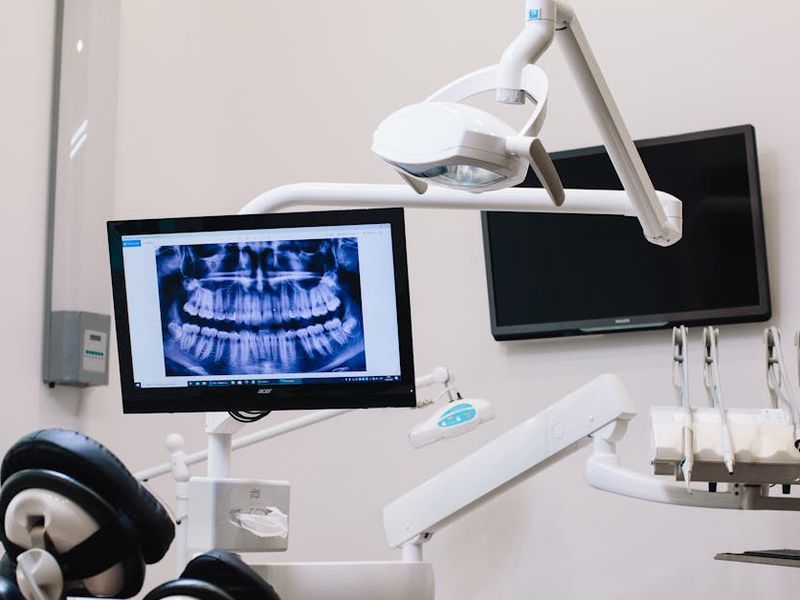
To deliver predictable results, many Cuenca practices invest in advanced diagnostic and restorative technology. Expect to find:
- Digital 3D imaging (CBCT) for precise implant planning
- Intraoral scanners and CAD/CAM systems for fast, accurate crowns and veneers
- Guided implant surgery tools and surgical templates for minimally invasive placement
- On-site or local dental labs that craft restorations with speed and quality
These technologies reduce chair time, enable same-week temporary restorations, and increase the predictability of outcomes — all reasons Cuenca clinics consistently deliver big value.
Fast Scheduling and Personalized One-on-One Care
Unlike busy hospital clinics or large practices in some dental tourism hubs, many Cuenca offices emphasize personalized service. Appointments and surgical slots are often available within weeks rather than months. Clinics cater to international patients with English-speaking staff, treatment coordinators who organize pre-trip consultations, and concierge-style services that handle logistics, accommodation recommendations, and local transfers.
This personalized approach means you rarely feel like ‘just another patient.’ You’ll meet directly with your dentist for treatment planning, pre-op reviews, and post-op follow-ups — a level of continuity that’s especially important for complex treatments like implants.
Recovery Meets Vacation: Why Cuenca Is the Ideal Healing Environment
Recovery is a critical part of any dental implant journey, and Cuenca’s climate, culture, and infrastructure make it an ideal place to rest and recuperate. The city sits at about 2,560 meters (8,400 ft) with a perpetually mild, spring-like climate: cool mornings, sunny afternoons, and comfortable evenings. This gentle weather is perfect for low-impact recovery walks and outdoor relaxation.
Cuenca’s compact, walkable historic center is filled with parks, cafes, and quiet plazas where you can relax between appointments. If you need to stay longer for healing, options range from boutique hotels in colonial neighborhoods to comfortable long-stay apartments. Pharmacies and modern medical clinics are readily available, and many dental offices maintain strong relationships with local medical providers for peace of mind.
Turn Treatment into a Memorable Dental Vacation
One of the most attractive aspects of choosing Cuenca is the ability to blend treatment with travel. While implants need time to integrate, the city is your recovery playground. Consider these nearby activities:
- Explore the UNESCO-listed Old City with its ornate cathedrals and museums
- Day trips to Cajas National Park for easy hikes and scenic lakes
- Relax in thermal baths and nearby hot springs for gentle recuperation
- Visit traditional markets for fresh foods that fit a soft-food post-op diet
- Enjoy Ecuadorian cuisine in calm, low-key restaurants; many cater to dietary needs
These activities allow you to rest while enjoying a culturally rich, low-stress experience — a real alternative to staying in a sterile hotel room near a large clinic in a crowded tourist zone.
Practical Timeline: How a Typical Implant Trip Works
Dental implant treatment can be structured to minimize travel while maximizing outcomes. A typical plan might look like this:
- Pre-trip: Send photos, recent X-rays, and medical history to the clinic for a preliminary treatment plan and cost estimate.
- First visit (1–2 weeks): Comprehensive exam, CBCT imaging, extractions if needed, implant placement, and temporary restorations (if applicable).
- Healing phase (6–16 weeks): Osseointegration occurs while you enjoy Cuenca or return home for recovery; many patients prefer to stay 1–2 weeks post-surgery for initial healing and follow-up.
- Final visit (1 week): Placement of abutments and final crowns or bridges, adjustments, and polishing.
- Follow-up: Remote monitoring via photos or video calls; local dental visits if needed.
Some clinics offer immediate loading (temporary teeth on the same day) or All-on-4 protocols that shorten timelines. Your dentist will advise based on bone quality, health, and treatment complexity.
Comparing Cuenca to Thailand and Mexico: The Clear Advantages
Thailand and Mexico remain popular dental tourism destinations, but Cuenca has several advantages that are particularly appealing to North American and European patients:
- Location and travel time: Flights to Quito or Guayaquil plus a short domestic hop to Cuenca mean less time in transit compared with longer-haul flights to Southeast Asia. This reduces jet lag and makes shorter trips practical.
- Cultural and culinary comfort: Patients from the U.S. and Canada often find Ecuador’s food safety standards, familiar grocery items, and Spanish-English language mix easier to navigate than in some other destinations.
- Personalized care over mass-tourism clinics: Many Mexican and Thai clinics serve high volumes of international tourists; in Cuenca, smaller teams often provide a more individualized, continuity-focused experience.
- Follow-up ease: If you need follow-up care, proximity to North America and established communication channels make remote aftercare and potential return visits simpler and less costly.
Ultimately, each destination has strengths — but for a balanced mix of cost savings, clinical quality, convenience, and recovery comfort, Cuenca consistently ranks at the top.
Choosing the Right Clinic in Cuenca: A Practical Checklist
Not all clinics are the same. Use this checklist to find a trustworthy practice:
- Credentials: Confirm the dentist’s training, specialties, and membership in professional organizations.
- Technology: Look for CBCT imaging, digital scanners, and CAD/CAM capabilities.
- Materials and brands: Ask which implant systems and crown materials are used and whether the clinic works with reputable labs.
- Transparency: Request a clear treatment plan, itemized costs, and estimated timelines.
- Before-and-after photos and references: Ask to see full-case documentation and patient testimonials.
- Warranty and follow-up: Check for guarantees, post-op care policies, and remote follow-up availability.
- Language and logistics support: Confirm English-speaking staff and assistance with transfers and accommodations if needed.
Travel Logistics and Practical Tips
Plan ahead to make your trip smooth:
- Flights: Most international travelers fly into Quito (UIO) or Guayaquil (GYE) and take a short domestic flight to Cuenca (CUE) — about 45–60 minutes. There are also comfortable bus options of approximately 3–4 hours from Guayaquil.
- Visa: U.S. and Canadian citizens typically receive a 90-day tourist entry on arrival, but check current requirements before traveling.
- Altitude: Cuenca’s elevation (~2,560 m) can cause mild breathlessness for some. Drink water, avoid heavy activity for 24–48 hours after surgery, and discuss medications with your dentist.
- Medications and supplies: Bring a small supply of any prescription meds, and ask your clinic for pain-management and antibiotic plans.
- Documentation: Carry digital copies of your medical history, recent dental X-rays (if available), and a list of medications.
- Insurance and financing: Many U.S. dental insurers don’t cover work abroad, so plan payment arrangements in advance; clinics often accept wire transfers, major credit cards, or cash.
Safety, Aftercare, and Long-Term Success
Successful dental tourism hinges on good pre-trip planning and solid aftercare. Choose a clinic that provides clear post-op instructions, offers emergency contact details, and schedules follow-up calls. Many Cuenca dentists provide remote monitoring and welcome local follow-up visits if you return home.
Long-term success also depends on maintenance. Implants require good oral hygiene, regular check-ups, and conservative habits. With proper care, implants and restorations placed in Cuenca can last decades — offering exceptional lifetime value compared to upfront savings alone.
Real-Life Savings, Real-Life Smiles
Patients who choose Cuenca report not only financial savings but a high level of satisfaction with their care and overall experience. Many arrive anxious about the idea of dental work abroad and leave thrilled with the results, the comfort of their recovery, and the chance to explore a charming South American city. Whether you’re replacing a single tooth, restoring a full arch, or enhancing your smile with veneers, Cuenca offers an unbeatable blend of modern dentistry, affordability, and a welcoming recovery destination.
Final Thoughts: Why Cuenca Should Be at the Top of Your List
If you are exploring dental implants, crowns, or veneers outside your home country, Cuenca deserves serious consideration. The combination of dramatic cost savings (commonly 60–70%), highly trained clinicians, cutting-edge technology, short waiting times, personalized care, and a peaceful, beautiful recovery environment makes Cuenca a standout choice. Add the opportunity for genuine travel experiences — cultural sites, outdoor adventures, and restful stays — and dental treatment becomes something you look forward to instead of dread.
Start with a virtual consultation. Send photos and questions, compare quotes, and ask about implant brands, technology, and follow-up care. With careful planning, your trip to Cuenca can deliver a healthy new smile and an unforgettable vacation — all at a fraction of the cost you’d expect back home.