
Table of Contents
Introduction: Dental Tourism Done Right
If you’re weighing the staggering costs of dental implants, crowns or veneers at home, Cuenca, Ecuador should be on your shortlist. This charming UNESCO World Heritage city delivers a powerful combination: world-class dental care, modern clinics, dramatically lower prices (commonly 60–70% less than the US and Canada), and a serene recovery environment you can actually enjoy. Put simply: in Cuenca you can get top-tier dentistry and treat yourself to a restorative vacation without breaking the bank.
How Cuenca Compares on Cost — Realistic Savings
Cost is the single most compelling reason people travel to Cuenca for dental work. Typical fees in the United States or Canada for a single implant (surgery + abutment + crown) frequently range from approximately $3,000 to $6,000 or more. In Cuenca, patients commonly report paying a fraction of that cost — often in the $800–$1,500 range per implant depending on complexity and materials. That’s a 60–70% or greater savings on comparable treatments.
Similarly, porcelain crowns, which can cost $1,000–$2,500 each in North America, are often available in Cuenca for $300–$600. Veneers that would cost $900–$2,500 per tooth at home are typically $250–$700 here. When you multiply those per-unit differences across multiple teeth, the numbers add up quickly — making full-arch work or smile makeovers financially possible for many patients who would otherwise postpone care.
Why the Lower Prices Don’t Mean Lower Quality
Lower prices reflect Ecuador’s lower operating costs, not a drop in clinical standards. Rent, taxes, and staff salaries are lower in Ecuador, so clinics can invest in modern technology and highly trained staff while still offering patient-friendly pricing. Many dentists in Cuenca trained at Ecuadorian universities and completed advanced continuing education and international postgraduate courses. You’ll find clinicians who use the same implant systems and restorative materials familiar to dentists in the US and Europe.
Clinical Quality and Technology in Cuenca
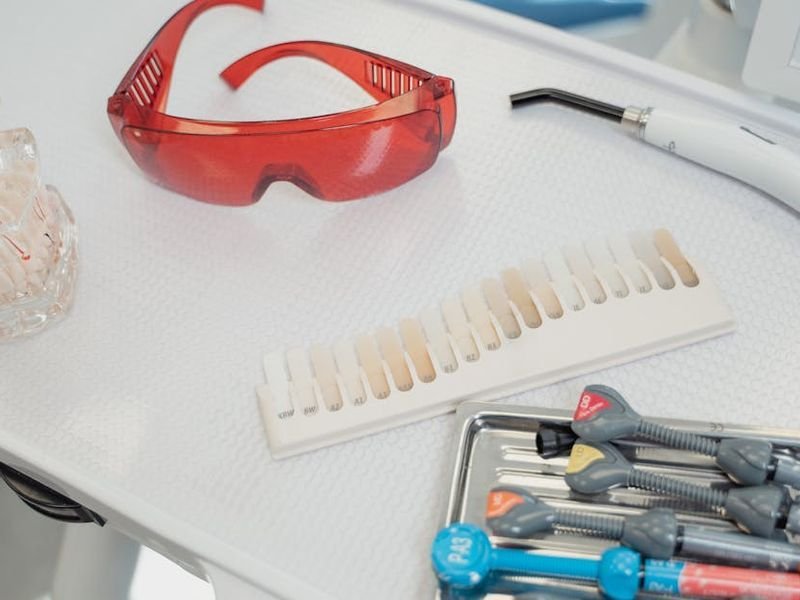
Cuenca’s best clinics feature cutting-edge diagnostic and restorative technology. Expect to find digital X-rays, cone-beam CT scanning (CBCT) for precise 3D implant planning, intraoral digital scanners for accurate impressions, and CAD/CAM milling for same-day crowns in some clinics. Sterilization protocols meet international standards, and many clinics use internationally recognized implant brands and high-quality ceramic materials for crowns and veneers.
What really sets these clinics apart is the one-on-one attention. Smaller patient volumes and a strong culture of personalized care mean your dentist often accompanies you through consultation, surgery and follow-up — a contrast to busier practices that may delegate much of the process to assistants.
Short Wait Times and Efficient Treatment Plans
Long waits for specialist appointments are a major frustration in many countries. In Cuenca you’ll often find much shorter wait times: initial consultations and diagnostics can often be scheduled within days of inquiry, and surgical slots for implants are frequently available within a week or two. That efficiency translates into fewer travel days and faster completion of treatment.
Many clinics in Cuenca offer clear, staged treatment plans with timelines: consultation and imaging, surgical implant placement, a healing period (often 3–4 months for osseointegration), and then placement of abutments and final crowns. For certain cases, immediate-loading protocols or All-on-4/All-on-X options are also available, reducing the number of visits and total recovery time.
Recover in Comfort: Cuenca as a Recovery Destination
One of Cuenca’s greatest attractions for dental tourists is the city itself. Situated at roughly 2,500–2,600 meters (around 8,400 feet) in the Andes, Cuenca has a mild “eternal spring” climate year-round — cool, sunny days and crisp nights that many patients find ideal for recovery. The walkable historic center, tree-lined parks (like Parque Calderón), riverside promenades and artisanal markets create a peaceful environment to recuperate without the bustle or humidity of beach destinations.
For light activity during recovery, enjoy gentle walks along the Tomebamba River, relaxed café culture, local cuisine, or low-impact sightseeing such as the Museo Pumapungo, the Cathedral and nearby artisan villages. If you want a day trip, El Cajas National Park offers dramatic landscapes for a longer recovery excursion, and many thermal spas within a few hours’ drive provide soothing post-op relaxation.
Combine Dentistry With a Vacation — The Dental Vacation Advantage
Dental travel to Cuenca is an opportunity to combine necessary care with a restorative getaway. Your companion can enjoy museums and markets while you attend appointments, or you can schedule appointments in the morning and spend afternoons exploring. Weekly markets, colonial architecture, coffee shops, and a vibrant expat community create a welcoming atmosphere for visitors, and many hotels offer comfortable long-stay accommodations with kitchenettes and easy access to dental districts.
Because treatment timelines are often staged, a two- to three-week visit usually covers consultation, surgery and initial follow-up. For full-arch or complex cases requiring multiple stages, many patients plan two trips spaced several months apart — a manageable approach that still delivers major cost savings.
How to Choose a Clinic in Cuenca — Practical Tips
Choosing a dental clinic abroad requires care. Use these practical tips to screen potential clinics and feel confident in your decision:
- Ask for detailed written treatment plans with itemized pricing, timelines and warranty information.
- Verify the dentist’s licenses and ask about postgraduate training. Many dentists provide bios and certificates on their websites.
- Request recent before-and-after photos of cases similar to yours and ask for patient testimonials or references.
- Confirm the implant systems and restorative materials they use; ask for brand names if that matters to you.
- Check clinic photos for sterilization areas and technology (CBCT, digital scanners, CAD/CAM). Reputable clinics are transparent about their equipment.
- Inquire about language: many dentists and staff speak English, particularly in expat-friendly neighborhoods and clinics serving international patients.
- Plan for aftercare and ask about emergency protocols, follow-up appointments, and connections with your home dentist for long-term maintenance.
Travel and Practicalities: What to Expect
Getting to Cuenca is straightforward: most international travelers fly into Quito (UIO) or Guayaquil (GYE) and catch a domestic flight to Mariscal La Mar Airport (CUE) or take a comfortable bus ride. Cuenca itself is compact and easy to navigate by taxi, rideshare or on foot. Hotels and short-term rentals in areas like the historic center are plentiful and often affordable compared to larger tourist hubs.
Visas — many nationalities receive a 90-day tourist visa on arrival for Ecuador, but check current entry requirements for your country. Plan for basic post-op needs: soft foods, a comfortable pillow for sleep, and a medication plan. Bring copies of your medical and dental history, medication list, and any digital dental X-rays or scans you have from home for your consultation; they can be helpful but are not always required.
Safety, Standards and Follow-Up Care
Safety is a top concern for dental tourists. Cuenca’s top clinics adhere to international infection control standards and modern sterilization protocols. If complications arise — a rare occurrence with implant dentistry when performed by trained professionals — most clinics provide clear emergency contact procedures and arrange follow-up care. Many dental tourists coordinate with their home dentists for long-term maintenance such as periodic cleanings and checks on implants and restorations.
Before traveling, consider travel medical insurance that covers dental tourism or look for specialist medical tourism policies that include complications coverage. Also, discuss warranties and guarantees directly with your Cuenca provider; many clinics offer written guarantees on prosthetics and restorative work.
Real Patient Value: More Than Just Price
While cost savings are headline-grabbing, dental tourism in Cuenca offers additional layers of value: the ability to choose better materials for the same budget, access to advanced technology, attentive one-on-one care, and the mental and physical benefits of recovering in a relaxed, beautiful city. For many patients, the experience feels less like medical travel and more like a restorative investment in both oral health and quality of life.
Sample Itineraries for Common Procedures
Here are a few realistic itineraries that many international patients follow:
- Single implant: Day 1–2 consult + CBCT; Day 7–14 implant surgery; 3–4 months healing in Cuenca or home; Day 90–120 abutment and crown placement (often a short return visit or coordinated with your local dentist).
- Multiple implants or All-on-4: Initial consult and planning (CBCT), surgery usually within 1–2 weeks, immediate provisional prosthesis in many cases, follow-up visits during the next 1–2 weeks, and final prosthetic phase after healing (2–4 months).
- Crowns/veneers: Consult + digital impressions and photos, lab fabrication (sometimes same-day CAD/CAM), followed by placement within a few days to two weeks depending on lab workflow.
Conclusion: Why Cuenca Should Be on Your Dental Radar
Cuenca offers a compelling combination for dental tourists: substantial savings (often 60–70%), high clinical standards, modern technology, short wait times and the chance to recover in a beautiful, culturally rich city. Whether you need a single implant, a full-arch restoration, crowns or veneers, Cuenca’s clinics and skilled dentists make it possible to receive excellent care without the prohibitive price tag of North American dentistry. Add to that the restorative potential of a short vacation in a peaceful Andean city, and Cuenca becomes more than a destination — it’s a smart, holistic approach to dental care.
If you’re considering traveling for dental work, do your homework: get detailed treatment plans, verify credentials, and plan your travel and aftercare carefully. When done thoughtfully, a dental vacation in Cuenca can deliver top-quality results, big savings and an unexpectedly delightful recovery experience.